
Strategies · Underwriting Discipline
Complexity is
the margin.
We acquire where zoning, entitlement, vacancy, or exit complexity thins the buyer pool — and where a specialized local operator can convert that complexity into value.
Investment Thesis
The best deals are too big for local flippers and too small for the big funds.
That's the space we live in. Land is scarce, permits are hard, new supply is thin, and buyer demand never quits in the neighborhoods we work — so the operator who can handle the complexity captures the value.
Before we buy anything, we map out several ways to exit — a straight sale, selling homes or units individually, selling the building whole, or refinancing and holding. The plan is set before closing, not improvised after.

01 · SFR–Redev
Luxury Residential Development
Studs-out rebuilds and heavy remodels of under-improved homes in prime submarkets — the strategy behind three neighborhood-record sales at closing in the Hollywood Hills.
- Acquisition basis
- $2M – $6M
- Exit range
- $3M – $9M
- Business plan
- 12 – 30 months
- Target gross margin on cost
- ~30 – 60%
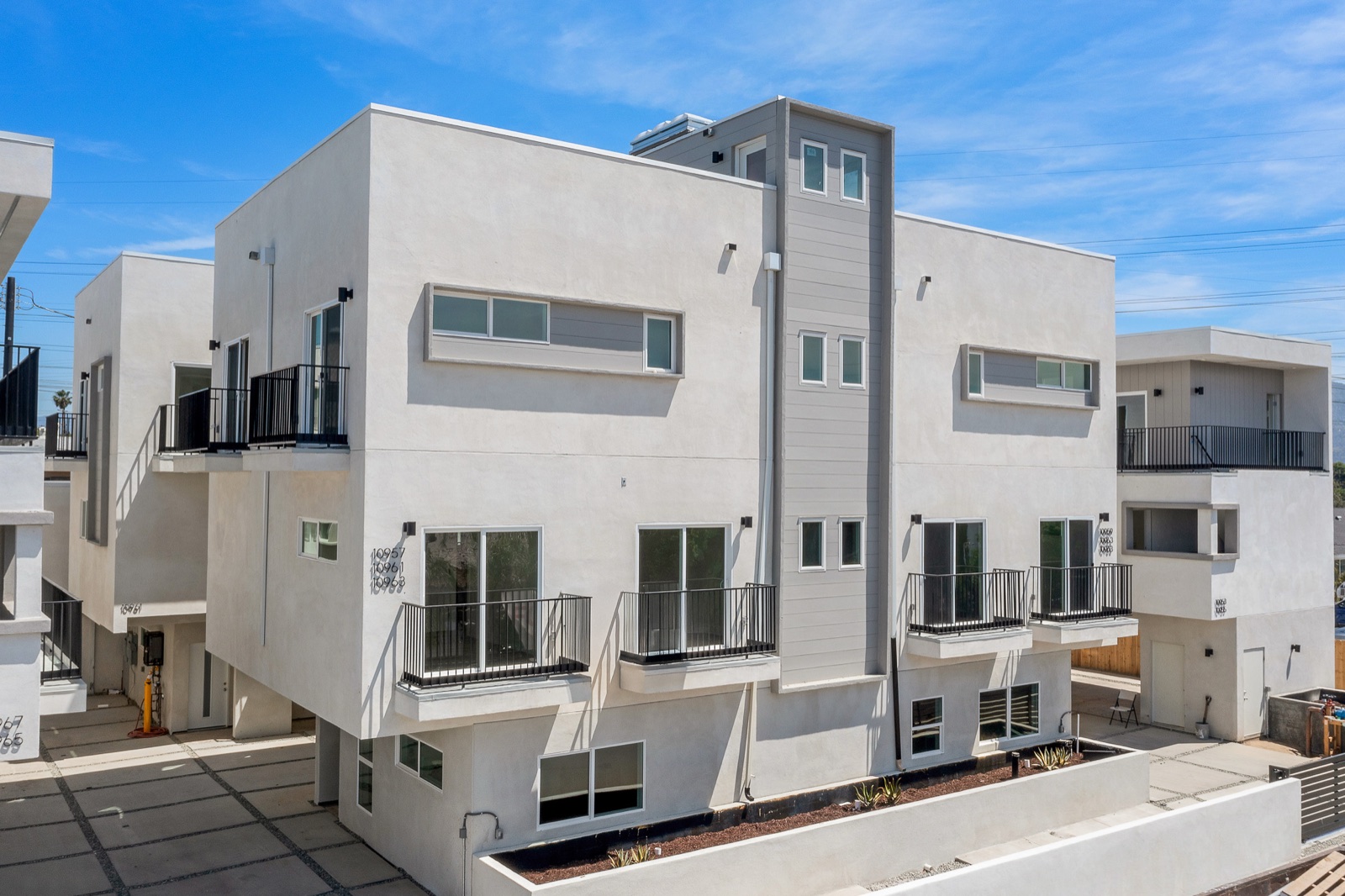
02 · MF–Dev
Opportunistic & Value Add Multifamily Development
Ground-up 4–20-unit multifamily projects, sold stabilized or refinanced into term debt and held — three delivered builds are currently held as 100%-occupied rentals.
- Program
- 4 – 20 units
- Build duration
- 12 – 30 months
- Refinance discipline
- DSCR ≥ ~1.20 – 1.25x
- Sale vs. hold
- Decided by market at stabilization
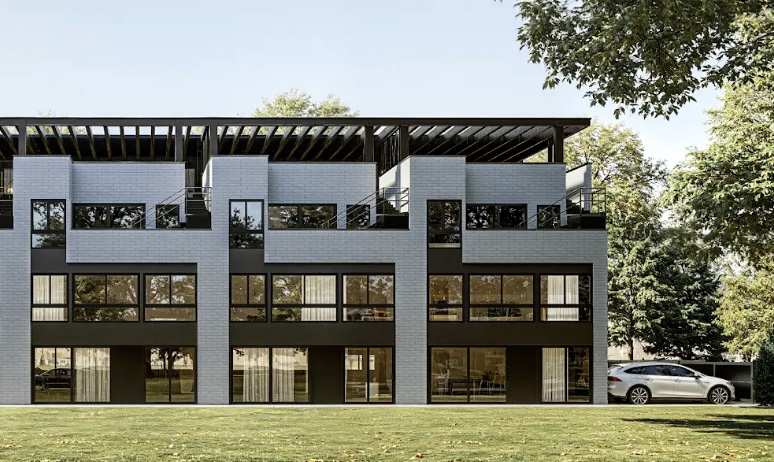
03 · SB–684
SB 684/1123 Fee Simple Subdivisions
Among the first developers executing SB 684 and SB 1123 ministerial small-lot subdivisions in the region — delivering fee-simple homes on individual APNs with conventional buyer financing.
- Program
- 4 – 10 homes
- End-user pricing
- $1M – $1.5M
- Entitlement
- Ministerial — months, not years
- Fallback
- Bulk-sale value underwritten
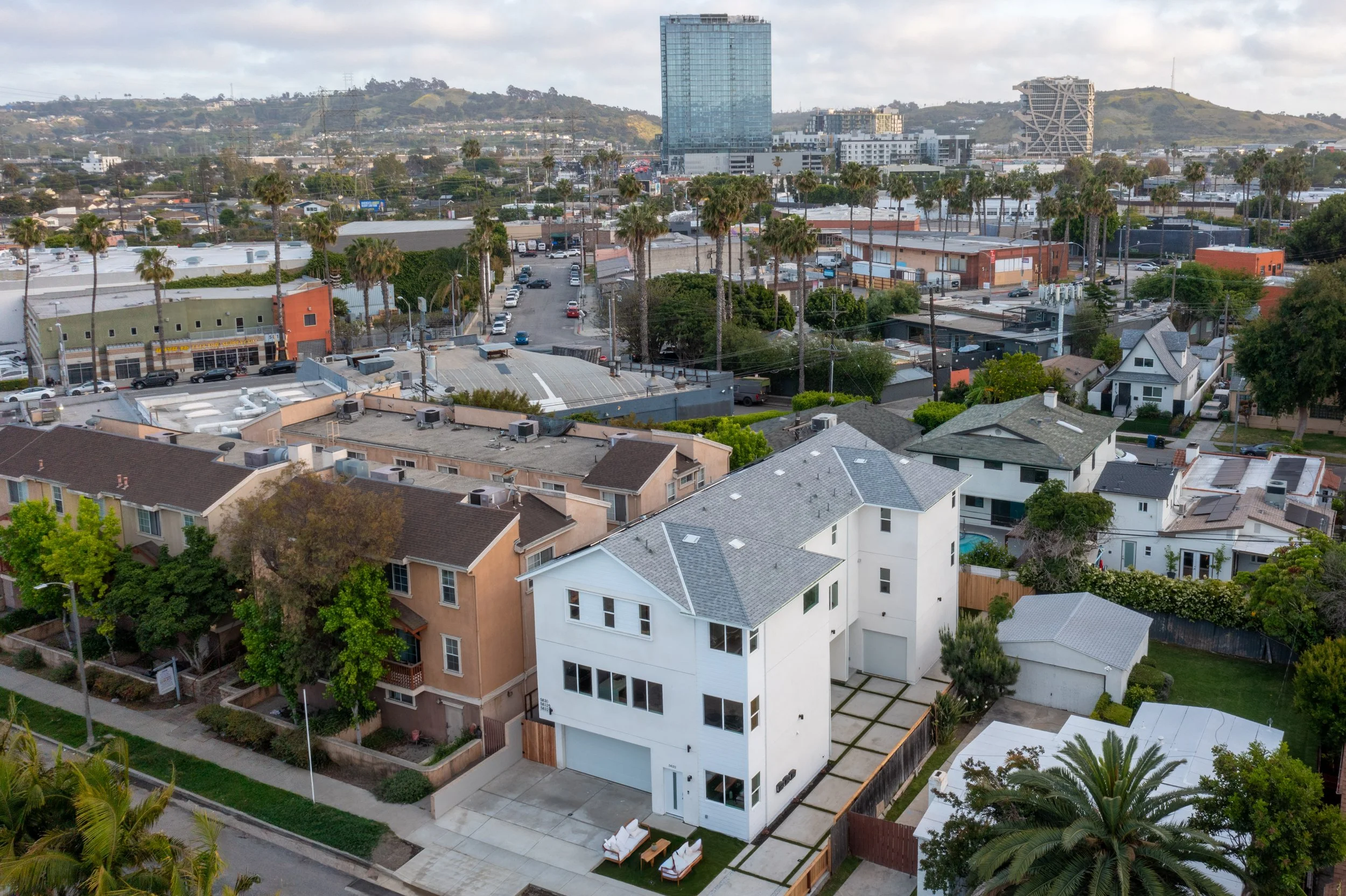
04 · TIC
Tenancy-In-Common Housing
Small multifamily sold as tenancy-in-common units at a pricing premium to bulk value — the model executed at 5832 David Ave and now applied at 1925 19th St.
- Program
- 3 – 4 units
- Sellout window
- 18 – 30 months
- Support required
- Resale-comp depth & buyer financing
- Fallback
- Bulk-sale value underwritten
Figures are underwriting targets, not promises or guarantees. Key risks per strategy — construction cost, absorption, entitlement, financing, and valuation — are addressed in each investment's definitive offering documents.
How You Invest
The investment model,
step by step.
Every project is its own LLC. You invest as a Class A member alongside our own money, you're paid first, and you share in the profits when the project sells.
You invest
Your investment buys Class A membership in a single project's LLC — one property, one business plan, one set of documents. The partners invest in the same deal, in every deal.
We build
Our team handles everything from purchase through construction to sale, on a 12–36 month plan, with regular updates and reporting through the investor portal along the way.
You're paid first
When the project sells, the construction loan and closing costs are paid off — then investors receive a preferred return (historically 8%) and their capital back before the sponsor takes a dollar of profit.
Profits are shared
Whatever remains is split between Class A (investors) and Class B (sponsor) through the waterfall. The Class A share is set deal by deal and spelled out in each offering.
Example · A $100,000 Investment
- You invest (Class A)
- $100,000
- Project completes & sells
- ~12–36 months
- Preferred return paid first
- 8% — $8,000
- Your capital returned
- $100,000
- Your share of remaining profit
- Class A % — set per deal
Illustrative only — not a projection or a guarantee. The preferred return is a distribution priority, not a promised payment; if a project loses money, investors can lose capital. Exact terms, timing, and the Class A split are governed by each project's operating agreement and offering documents.
Acquisition Criteria
Our buy box.
If a deal doesn't fit the box, we don't buy it. These are underwriting targets — final numbers are set per investment.
| Geography | LA infill — Westside, Santa Monica, Culver City, select Valley | Total capitalization | $2M – $12M per project |
| Equity check | $300K – $2.5M | Project duration | 12 – 36 months |
| Target gross margin on cost | ~30 – 60% | Unit count | 1 – 14 units |
| Entitlement certainty | By-right or ministerial preferred | Viable exits | 2+ underwritten pathways |
| Comparable support | Multiple relevant resale comps | Dependence on appreciation | None — underwrite to today's comps |
| Downside protection | Positive capital-preservation case required | Sponsor co-investment | GP invests in every deal |
Process
Fifteen steps between a listing and a closing.
Every acquisition passes a three-principal investment committee, in sequence:
Source & screen
Deal sourcing through the brokerage network and off-market channels; zoning and entitlement screen; residual land analysis.
Price the plan
Comparable-sale and absorption review; preliminary construction pricing; concept design and yield study.
Prove the downside
Environmental, tenant, title, and legal diligence; debt-market testing; base, downside, and severe-downside underwriting.
Commit
Investment committee review by all three principals; final capital structure; closing approval.
Monitor & exit
Post-closing business-plan monitoring; monthly budget-to-actual variance review; exit-readiness review.
Rejection Criteria
Reasons we walk.
- Insufficient margin or unsupported resale pricing
- Inadequate comparable depth
- Excessive entitlement risk
- Unresolved tenant or affordable-housing exposure
- Inadequate interest reserve or contingency
- Unfinanceable construction plan
- Dependence on a single speculative exit
- Negative downside outcome
- Excessive construction cost per square foot
- Unacceptable loan-maturity risk
- Reliance on future capital without a committed source
- Insufficient liquidity to complete
Controls
The risk-management framework.
Basis & Underwriting
Acquisition-basis discipline, required downside cases, comparable-sale depth, absorption sensitivity, maximum-leverage limits, minimum-liquidity policy.
Construction
Budget verification, contingency requirements, change-order approval, draw controls, lender inspections, monthly budget-to-actual.
Financing
Interest reserves sized through plan, maturity tracking and extension planning, refinancing-risk review, interest-rate sensitivity.
Entitlement & Legal
Ministerial pathways preferred, affordable-housing obligations tracked, tenant and environmental diligence, insurance requirements.
Portfolio & Governance
Concentration awareness, related-party disclosure, capital-call procedures, valuation policy with dated sources, investor reporting standards.
Key Person & Force Majeure
Three-principal structure, contractor default remedies, completion-guaranty exposure managed, material-litigation disclosure policy.