4 – 10
Homes per project
Strategy 03 · SB–684
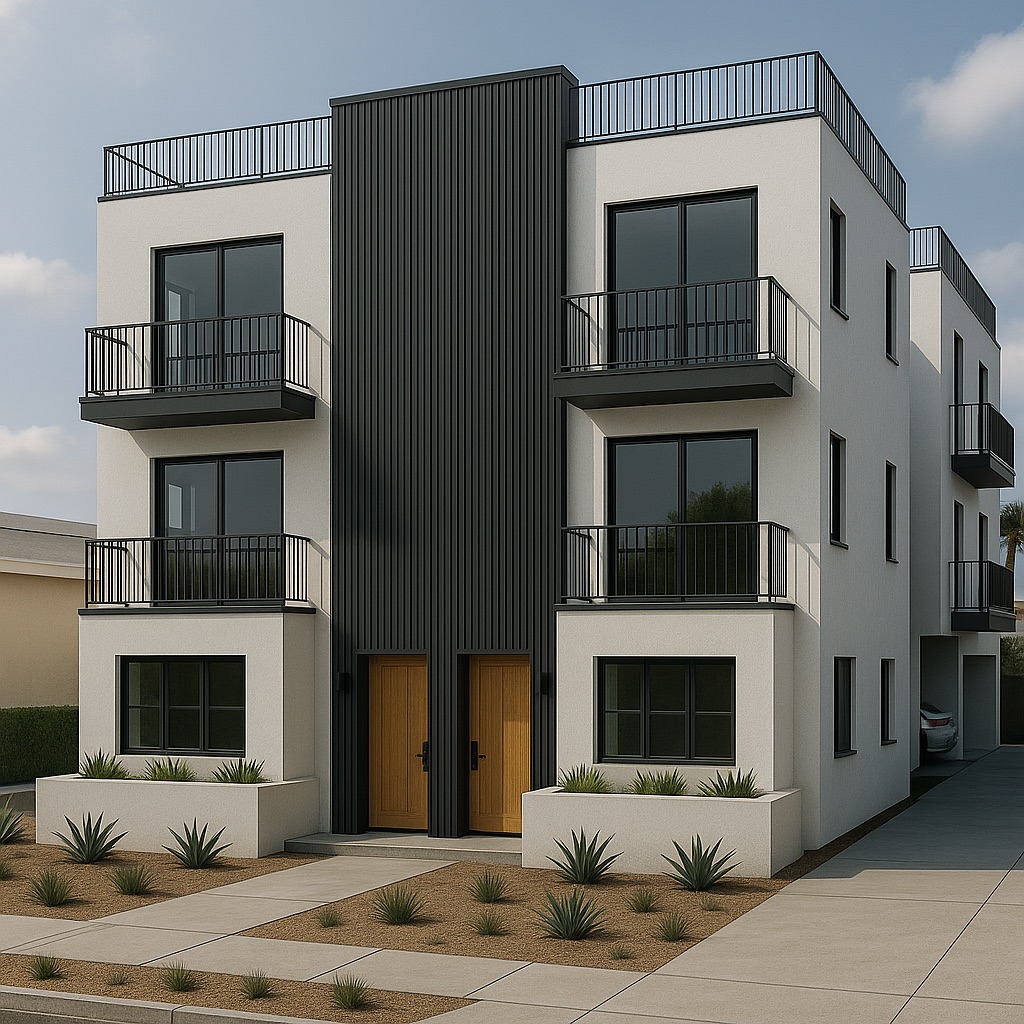
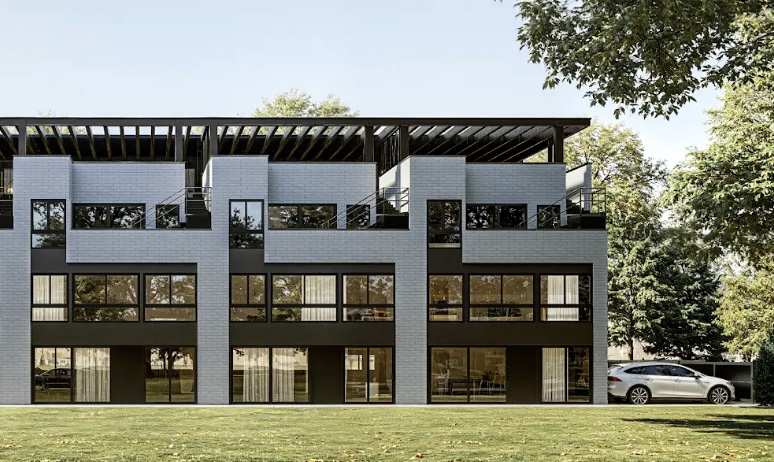
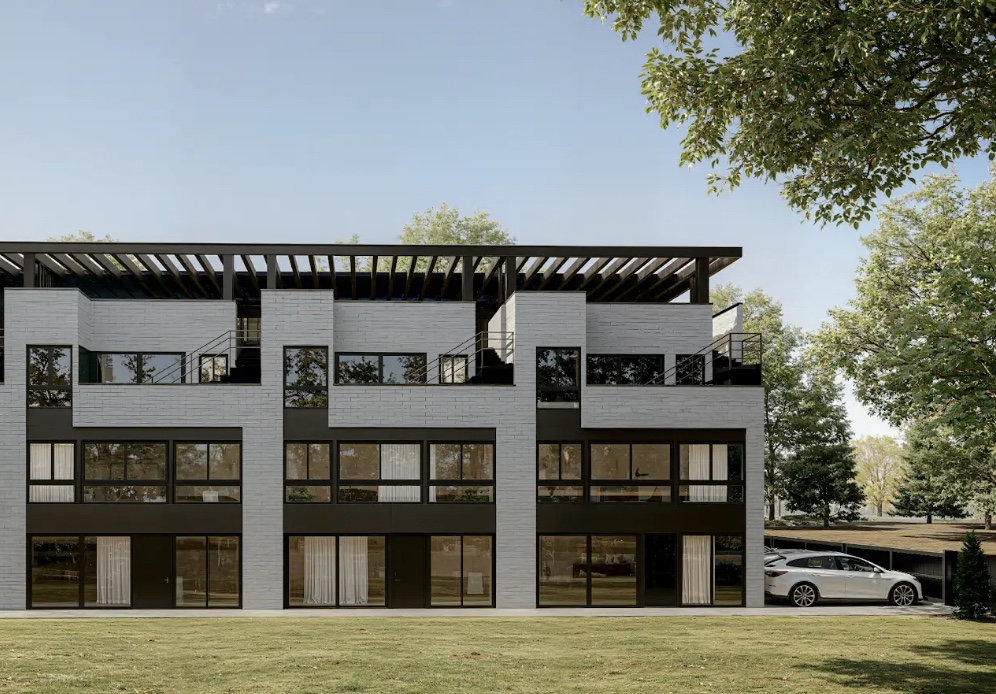
Ministerial small-lot subdivisions under SB 684 and SB 1123 — fee-simple homes on individual APNs.
Underwriting targets, not promises or guarantees. Individual investments may vary; final parameters are governed by each investment's definitive documents.
The Reasoning
A change in state law turned a multi-year political process into an administrative one. That is the whole opportunity.
SB 684, expanded by SB 1123, created a ministerial approval pathway for small-lot subdivisions on multifamily-zoned land. Ministerial matters enormously: it means approval is administrative rather than discretionary — no public hearing, no discretionary environmental review, no neighbor appeal that can add three years and kill a project outright. Entitlement stops being a political risk and becomes a schedule item.
The arbitrage this opens is a valuation mismatch. Multifamily-zoned land is priced on the income approach — what a rental building on that site would earn. SB 684 lets the same site deliver individual homes sold to individual buyers at for-sale pricing, which on a per-square-foot basis is materially higher than income-based value. We are buying land at one valuation basis and exiting it at another.
The fee-simple structure is what makes the exit work. Each home sits on its own legal lot with its own APN, so buyers use conventional mortgage financing rather than the specialized loans a TIC or condo-alternative structure requires. That widens the buyer pool to essentially every qualified homebuyer in the price band — a decisive advantage over structures that ask buyers to accept unfamiliar financing.
Being early is a real and temporary edge. Few operators in the region have executed this pathway; The Culver VI at 3850 Westwood was the first ministerial approval in Culver City. While the field is thin, sites can still be acquired at bases set by the old rental-value assumption. That window narrows as the statute becomes better understood.
How It Works
Under the Starter Home Revitalization Act — Senate Bill 684 and Senate Bill 1123 — there is no hearing, no discretionary review and no appeal: entitlement becomes a timeline rather than a political outcome.
Land priced as rental product, exited as individual homes at for-sale pricing.
Individual APNs mean conventional mortgages, not specialized fractional lending.
Homes are sold on a unit-release schedule as the market absorbs, with a bulk-sale fallback underwritten from acquisition.
New to these statutes? Read our guide to what SB 684 and SB 1123 allow — eligibility, lot sizes, setbacks, and how the Starter Home Revitalization Act compares to SB 9.
Current Projects
The pathway was proven at 1949 17th St, a principal-owned project: ministerial approval, fee-simple homes on individual APNs, conventional buyer financing, and a unit-release sellout. No Assemble Capital SB 684 project has completed a sellout yet — all three active projects are in entitlement, with construction refinancings planned from Q4 2026.
What Can Go Wrong
Every strategy has a failure mode. These are the ones specific to this one — the complete risk disclosure for any investment lives in its offering documents.
Future Opportunities
Future projects in this strategy are capitalized through new project-specific offerings — an 8% preferred return paid before the sponsor participates, Class A participation in the profits, and our own capital in every deal. Terms shown are typical of prior offerings and are not an offer; the final terms of any investment are governed solely by that project's private placement memorandum and operating agreement. Get in touch and we'll walk you through the model, the pipeline, and what a specific offering looks like.
Contacting us is not an offer, commitment, or investment. Any offering is made only through definitive offering documents to eligible investors.