$2M – $6M
Acquisition basis
Strategy 01 · SFR–Redev
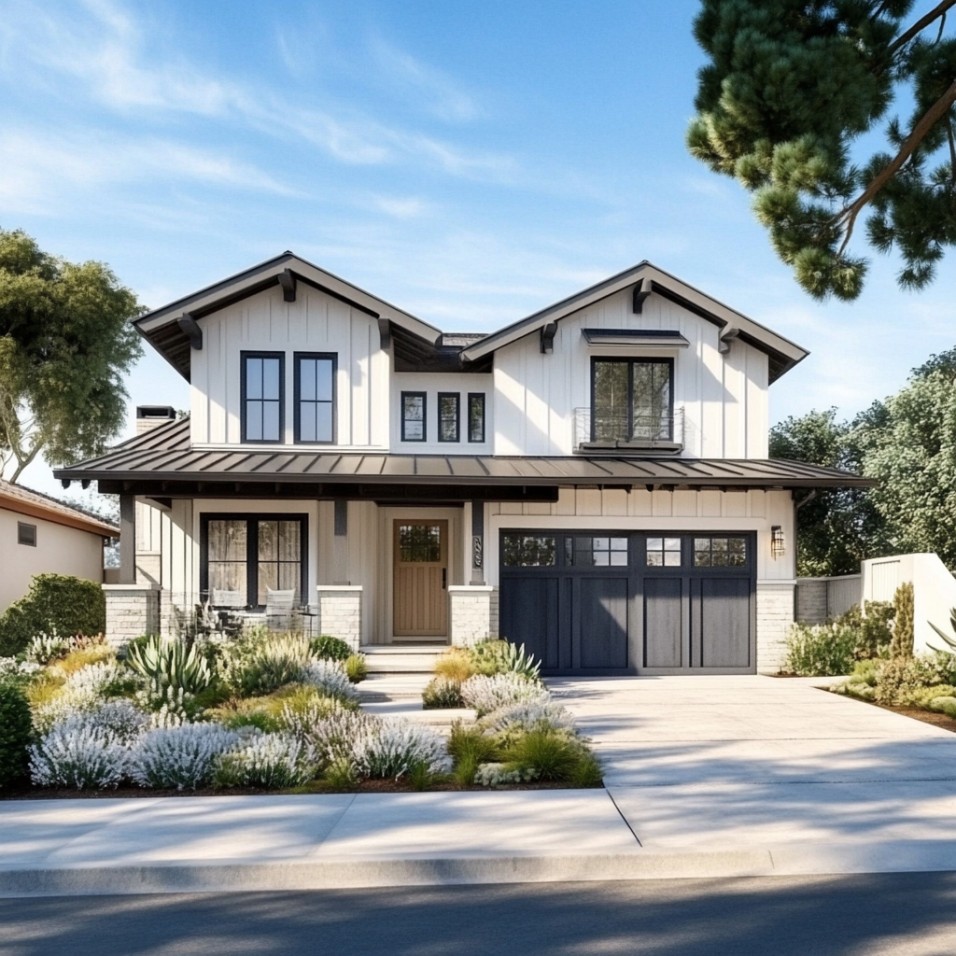
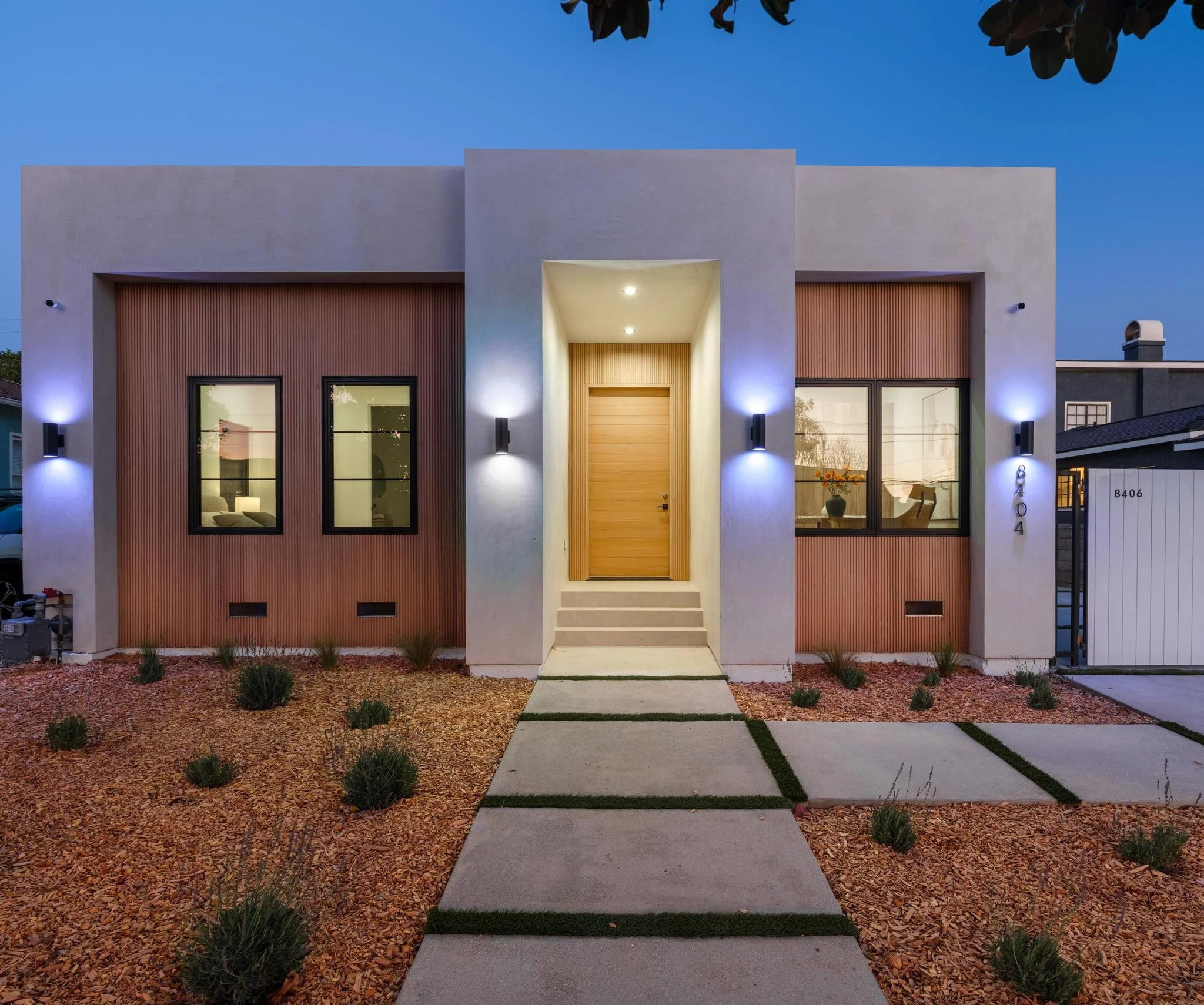
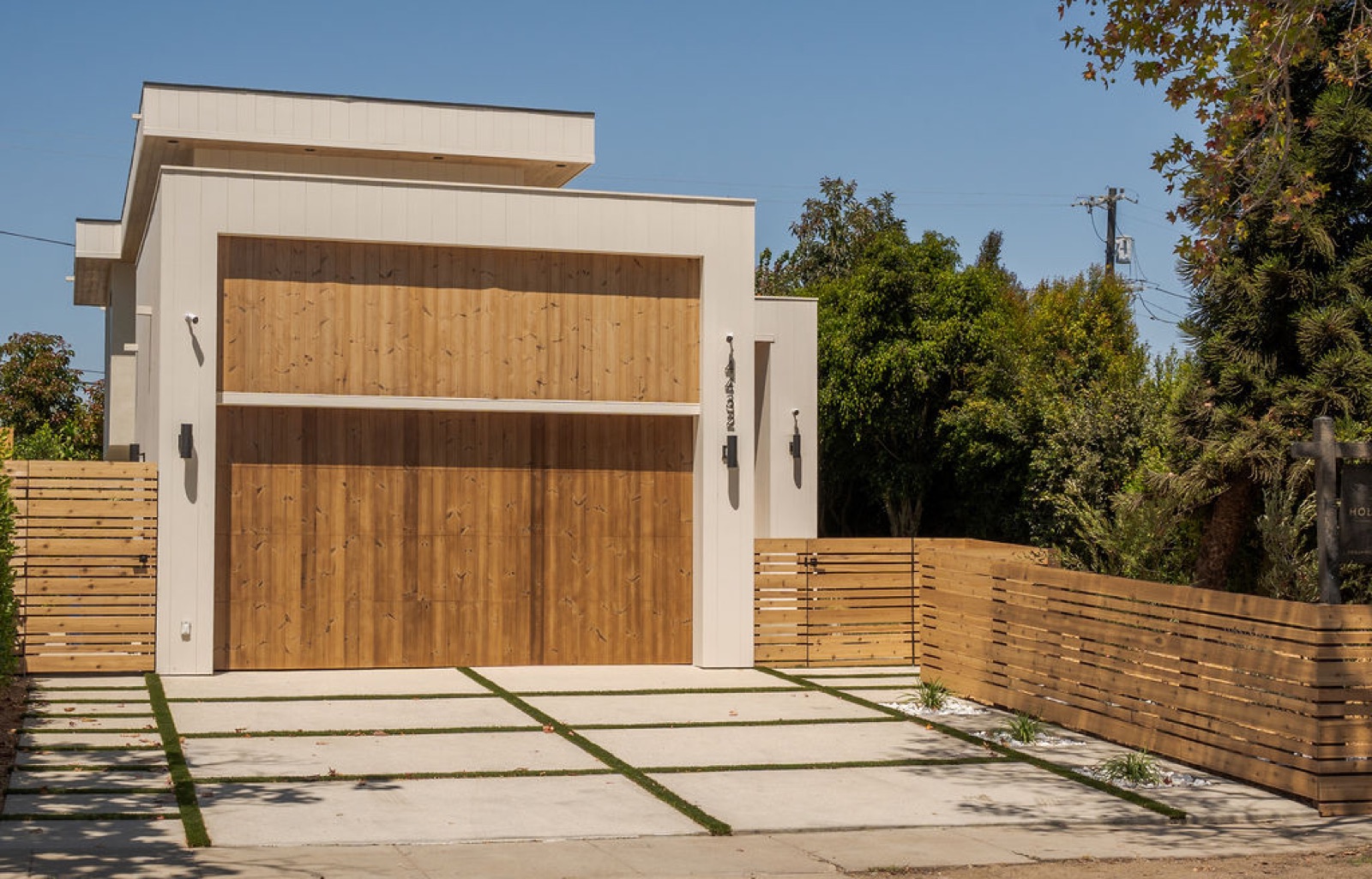
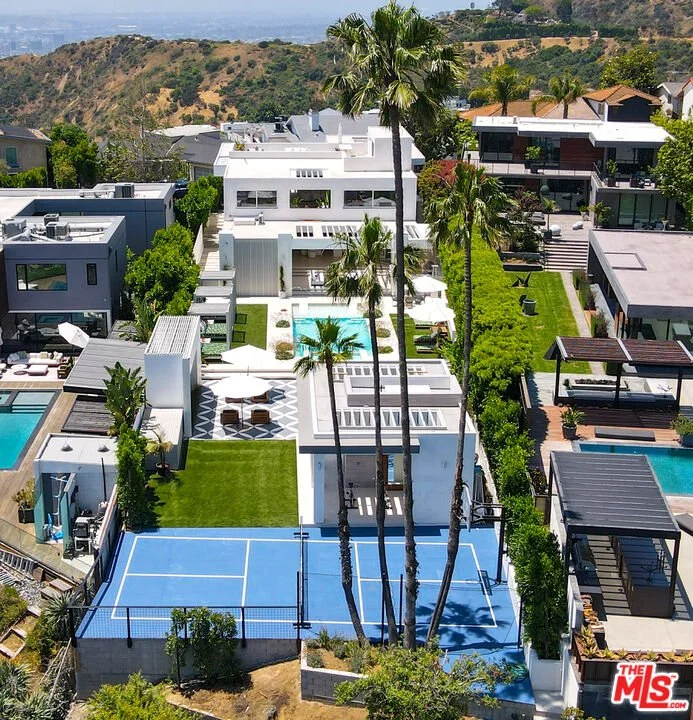
Studs-out rebuilds and heavy remodels of under-improved homes in prime Los Angeles submarkets.
Underwriting targets, not promises or guarantees. Individual investments may vary; final parameters are governed by each investment's definitive documents.
The Reasoning
The largest pricing gap in Los Angeles residential is between a dated house in a great location and a finished one.
A dated home in a prime submarket prices to a narrow buyer pool — the small fraction of purchasers willing and able to manage a construction project. A finished home on the same street prices to the entire market. That spread is the strategy.
It persists because the work in between is genuinely hard. Most buyers will not take on a studs-out rebuild. Most small operators cannot finance one or carry it through permitting. And institutional capital will not underwrite a single $4M house. The deals sit in a gap that stays open because of who is structurally unable to compete for them.
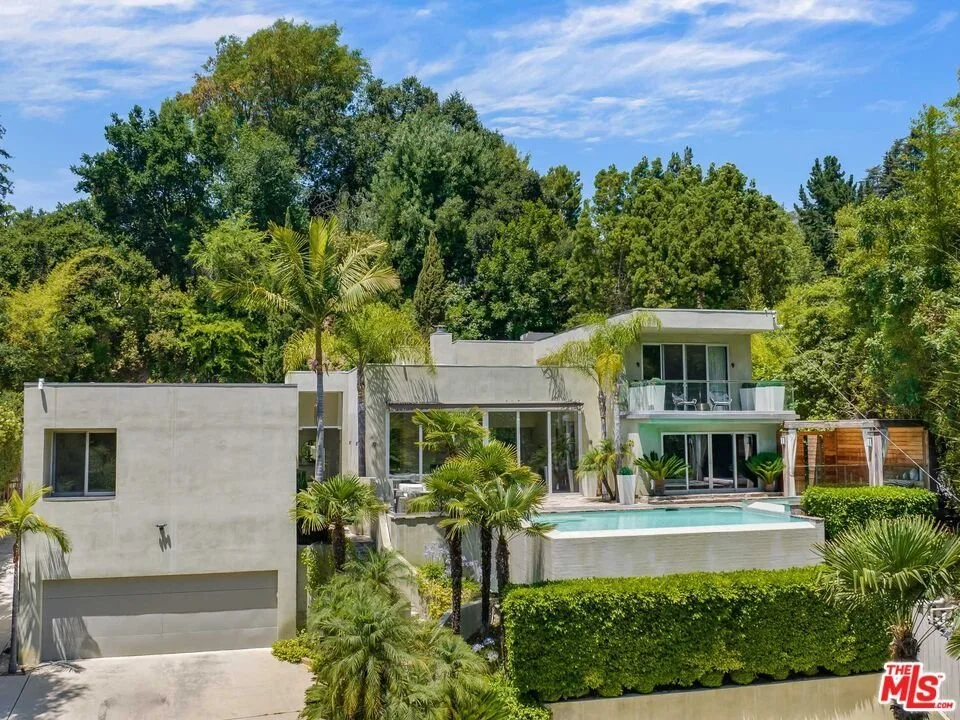
Our edge inside that gap is vertical integration. Construction management sits in-house, which means cost control and — more importantly — schedule control. Schedule is the dominant variable in these returns: the same margin captured in sixteen months rather than forty is a fundamentally different investment. 7212 Mulholland produced roughly 84% IRR on a 52% margin because it moved fast; 2731 Hutton cleared a thinner 29% margin in nine months and still annualized near 39%.
The submarkets are chosen for exit depth rather than headline prestige. Hollywood Hills, Beverly Hills, the Sunset Strip, and the Westside carry buyer pools that are largely equity-driven and therefore less rate-sensitive than the entry-level market — when financing tightens, this segment slows but does not stop.
How It Works
Acquisition is underwritten against the dated-condition comp set, with the finished value supported by closed sales before we commit.
In-house construction management compresses the build, and every month removed from the hold compounds into IRR.
Some houses justify an expansion and a four-year hold; most justify a fast, disciplined remodel. The site decides.
Sell finished, sell partially completed to a builder, or lease and hold — each underwritten before acquisition.
Current Projects
Track Record
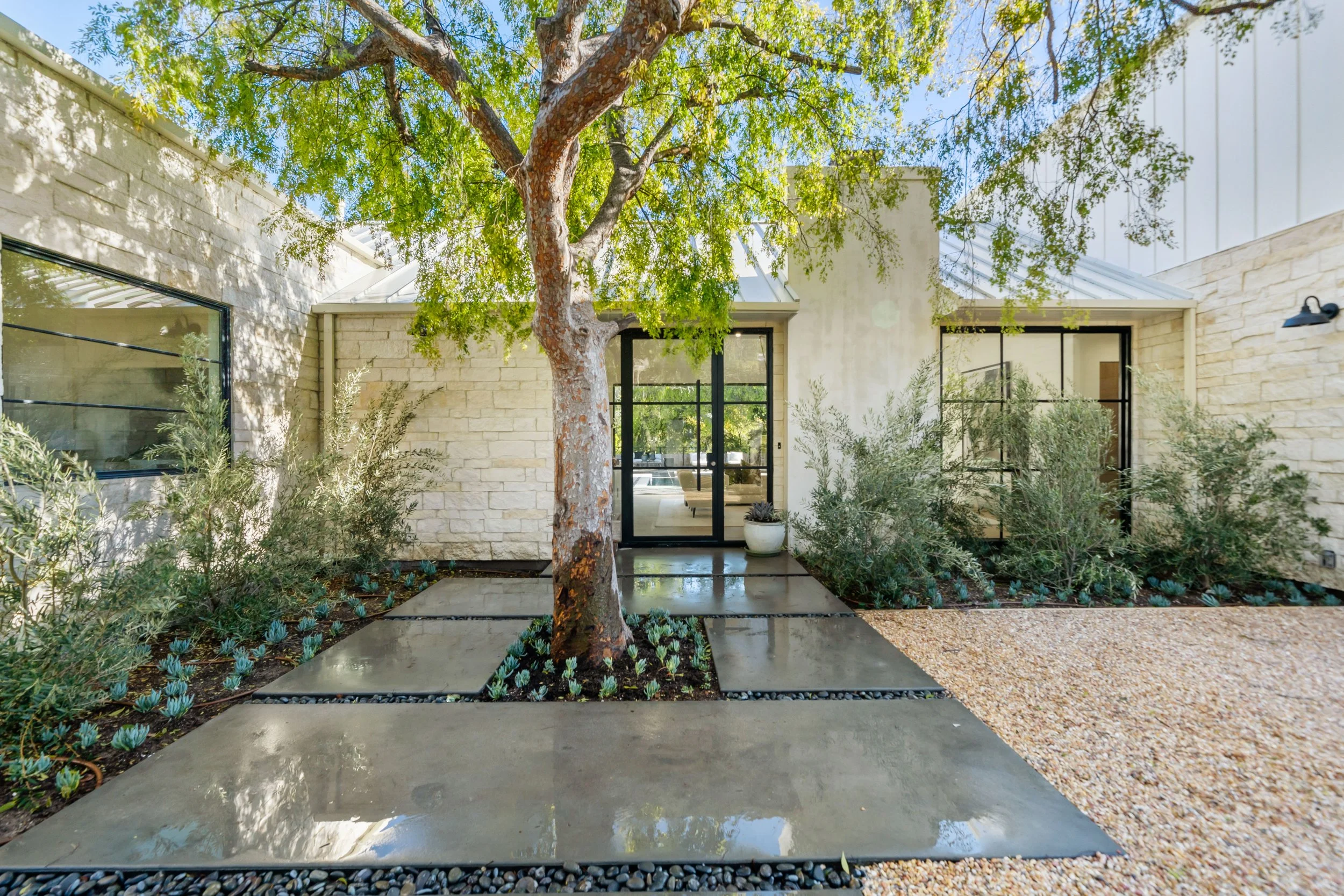
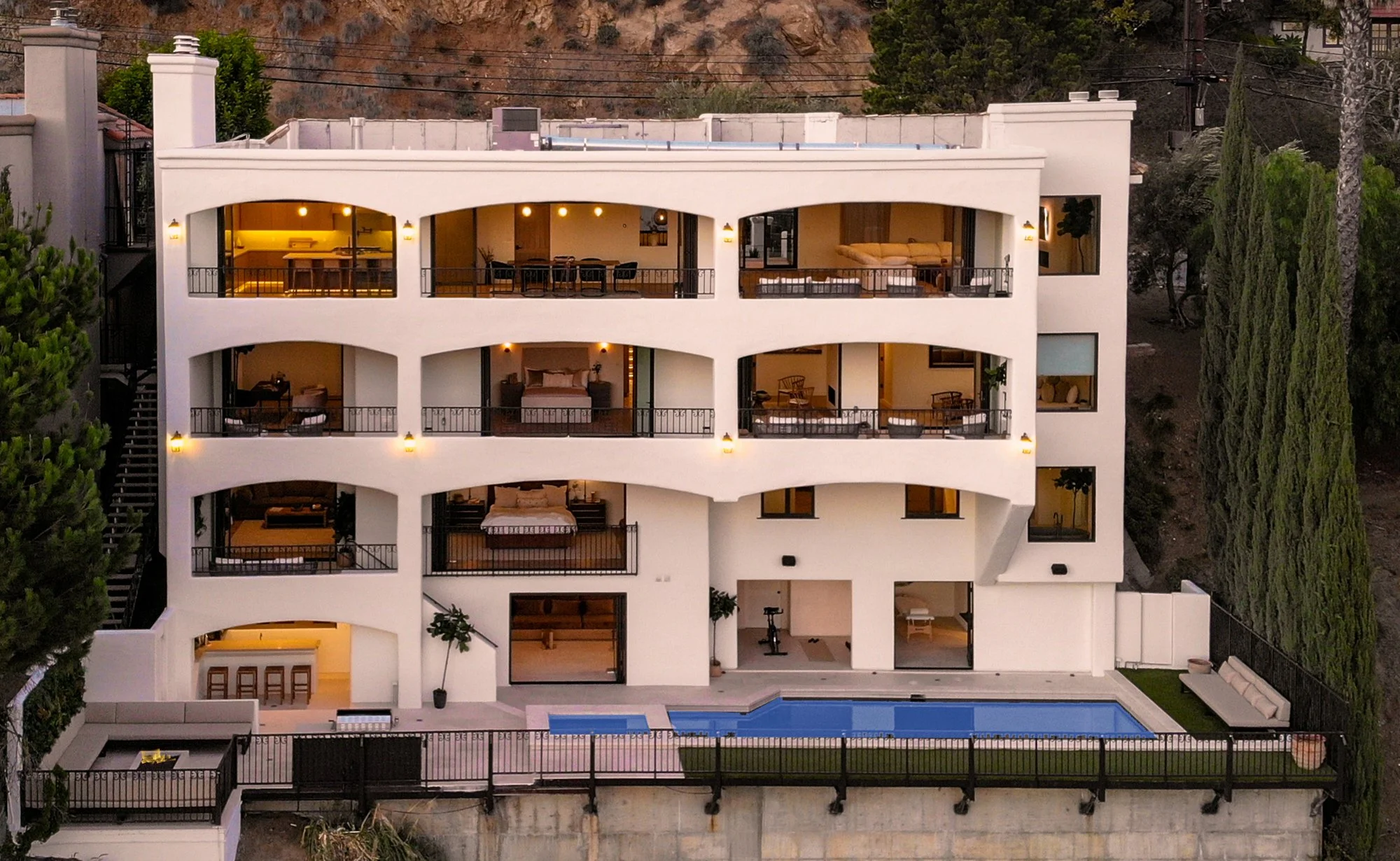
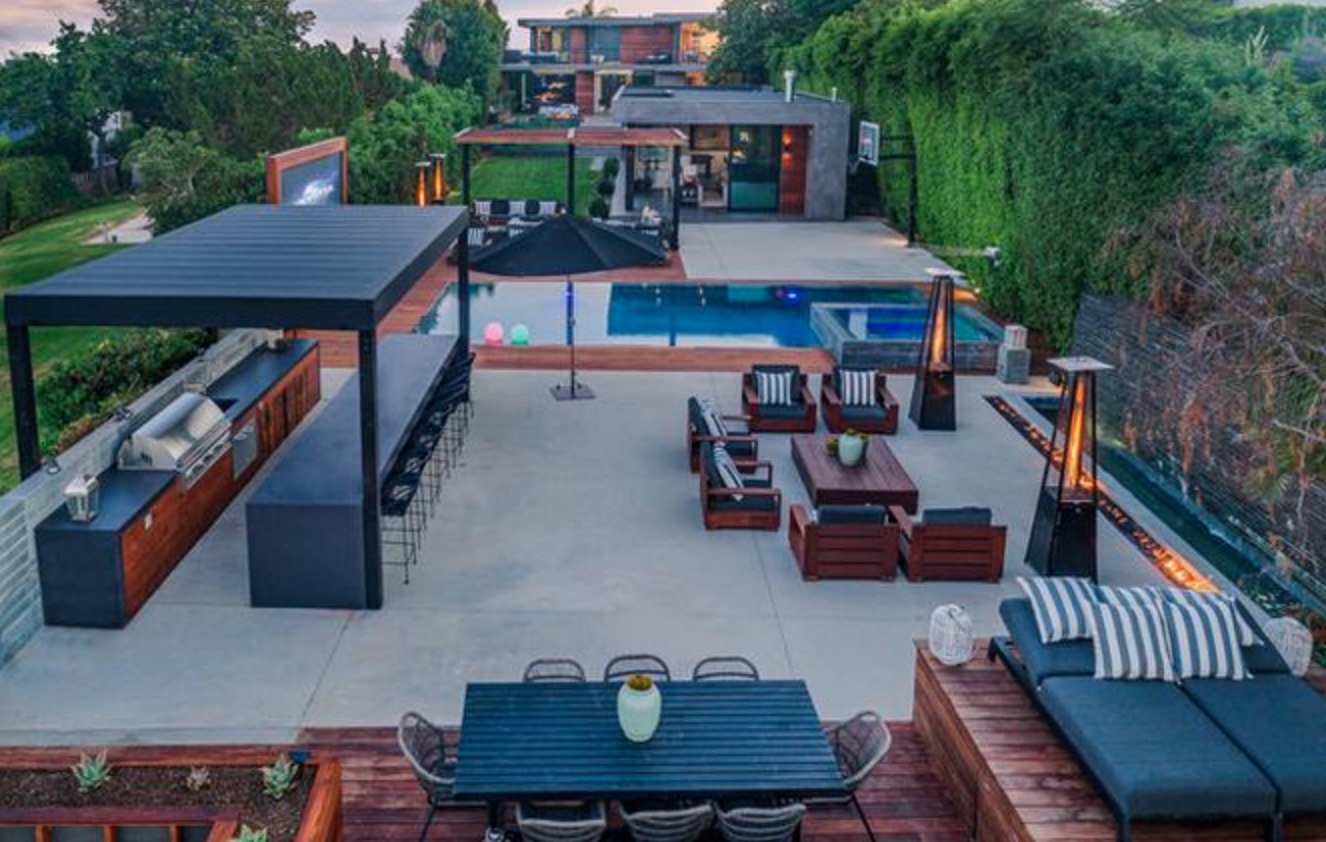
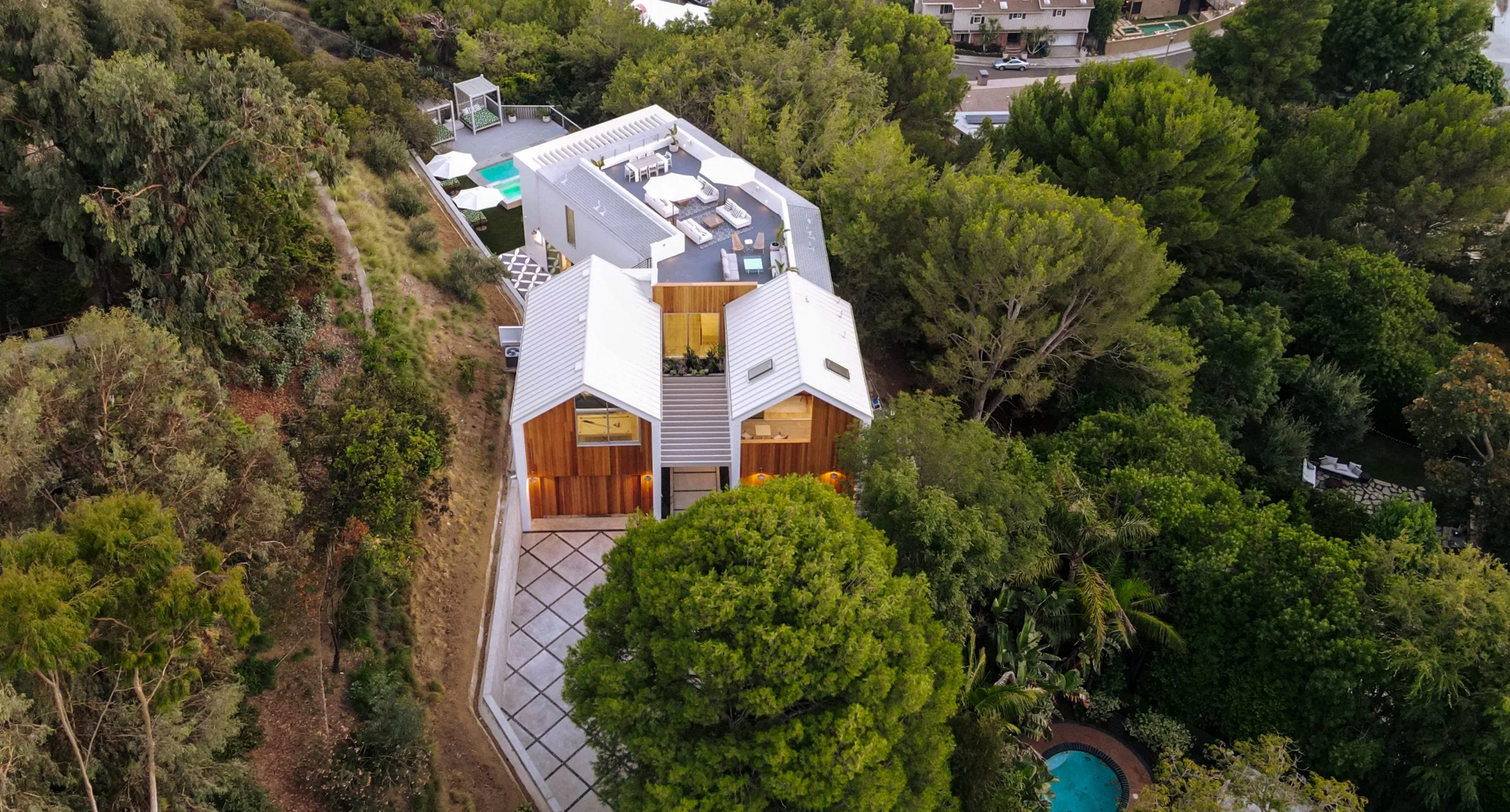
Five additional completed single-family projects — Rising Glen MCM, The Hollywood Marvel, Villa De Edinburgh, The Modern Orange, The Martha MCM, and Paseo Moderna — are documented on the track record.
What Can Go Wrong
Every strategy has a failure mode. These are the ones specific to this one — the complete risk disclosure for any investment lives in its offering documents.
Future Opportunities
Future projects in this strategy are capitalized through new project-specific offerings — an 8% preferred return paid before the sponsor participates, Class A participation in the profits, and our own capital in every deal. Terms shown are typical of prior offerings and are not an offer; the final terms of any investment are governed solely by that project's private placement memorandum and operating agreement. Get in touch and we'll walk you through the model, the pipeline, and what a specific offering looks like.
Contacting us is not an offer, commitment, or investment. Any offering is made only through definitive offering documents to eligible investors.