22*
Completed projects since 2005
Los Angeles · Real Estate Syndication
Assemble Capital is a Los Angeles real estate syndication and development firm. We pursue value-add and opportunistic residential projects — new fee-simple homes under SB 684 and SB 1123, and luxury residences in the city’s most sought-after neighborhoods — in partnership with accredited investors who share in the profits.
* Figures reflect projects completed by the principals since 2005: 21 through Thornton Development Group and affiliated companies, and one Assemble Capital project, The Gonzaga Residence, sold in 2026. Thornton Development Group is an independent company operated by the same principals who manage Assemble Capital; its projects were not Assemble Capital offerings and did not involve Assemble Capital investors. Figures are drawn from internal and public records as of October 2026 and are unaudited. Past performance is not indicative of future results, and real estate investments involve risk, including the possible loss of capital. For more information, see the track record and our Risks & Disclosures.
The Firm
We assemble the land, the capital, and the craft — and control every step in between.
Assemble Capital is a Los Angeles real estate syndication and development firm investing in value-add and opportunistic residential projects. Buying, entitling, designing, building, financing and selling all happen under one roof, which is how we control cost, timeline and quality.
We focus on SB 684 small-lot homes, where we were among the first to execute in Culver City, and luxury residential development in the Hollywood Hills and on the Westside, where the principals built their record.

 RC Thornton · Oliver Thornton · Erik Lim
Under one roof — from first look to final sale
Off-market and broker relationships across the Westside and the Hills.
Priced to today’s closed comparables, with the exit planned before closing.
Ministerial SB 684 approvals and by-right remodel permits.
In-house construction management on budget, schedule and quality.
Construction loans personally guaranteed by the principals.
Homes sold individually through the principals’ brokerage.
Strategies
Every property is matched to its strongest plan, with at least two ways to exit, a stress-tested downside case, and pricing based on today’s comparable sales.
01 · SB 684 / SB 1123
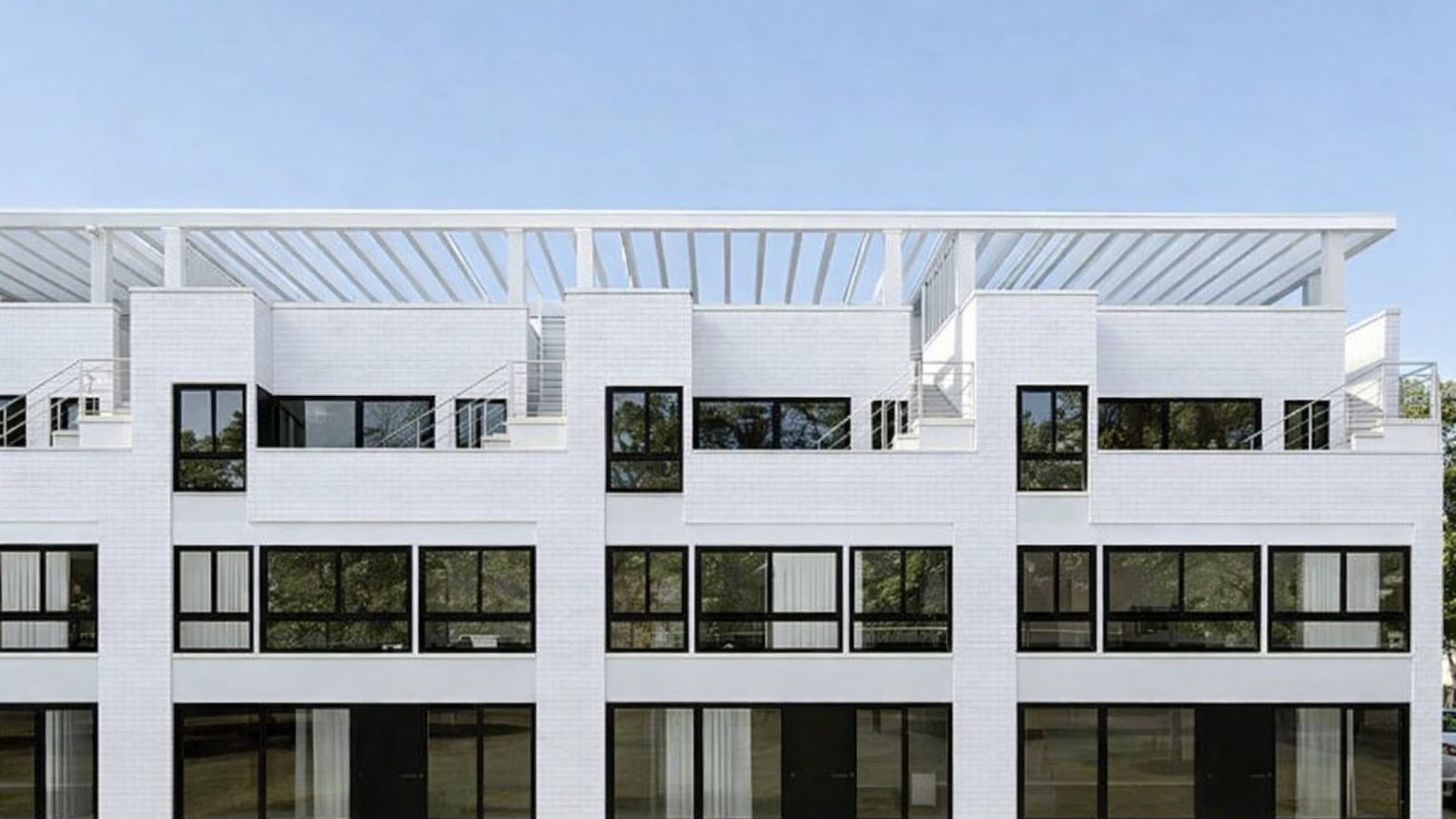
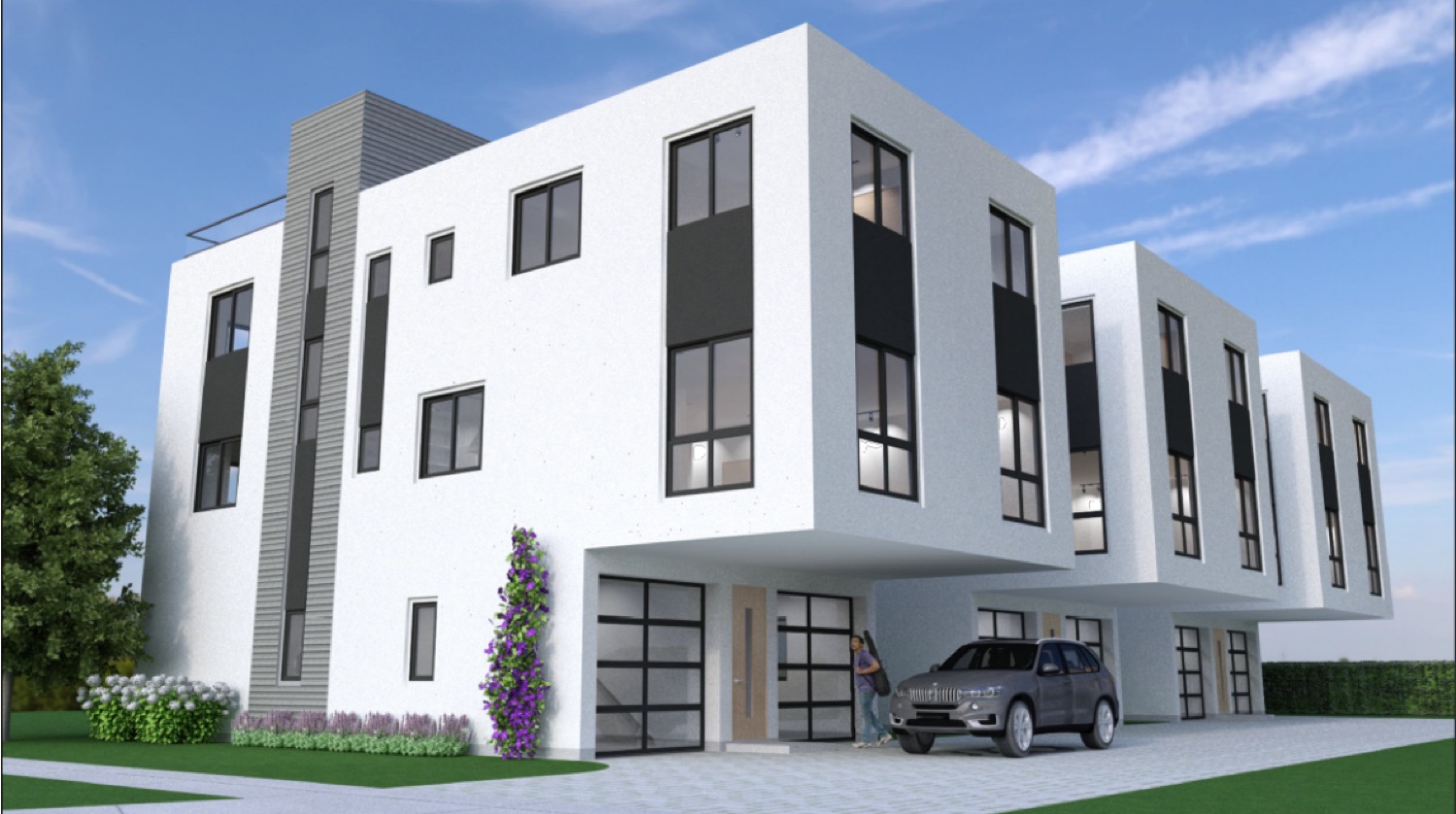
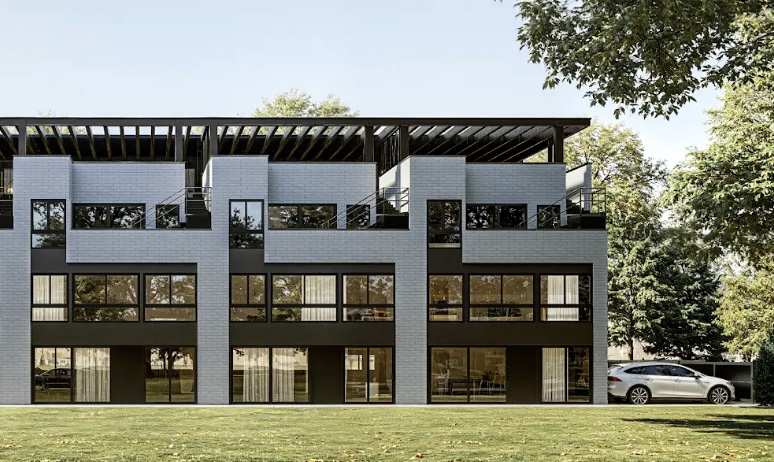
One infill lot becomes six to ten new homes through ministerial approval, each on its own parcel and sold to owner-occupants with conventional financing. We were among the first to execute it in Culver City.
02 · Luxury Residential
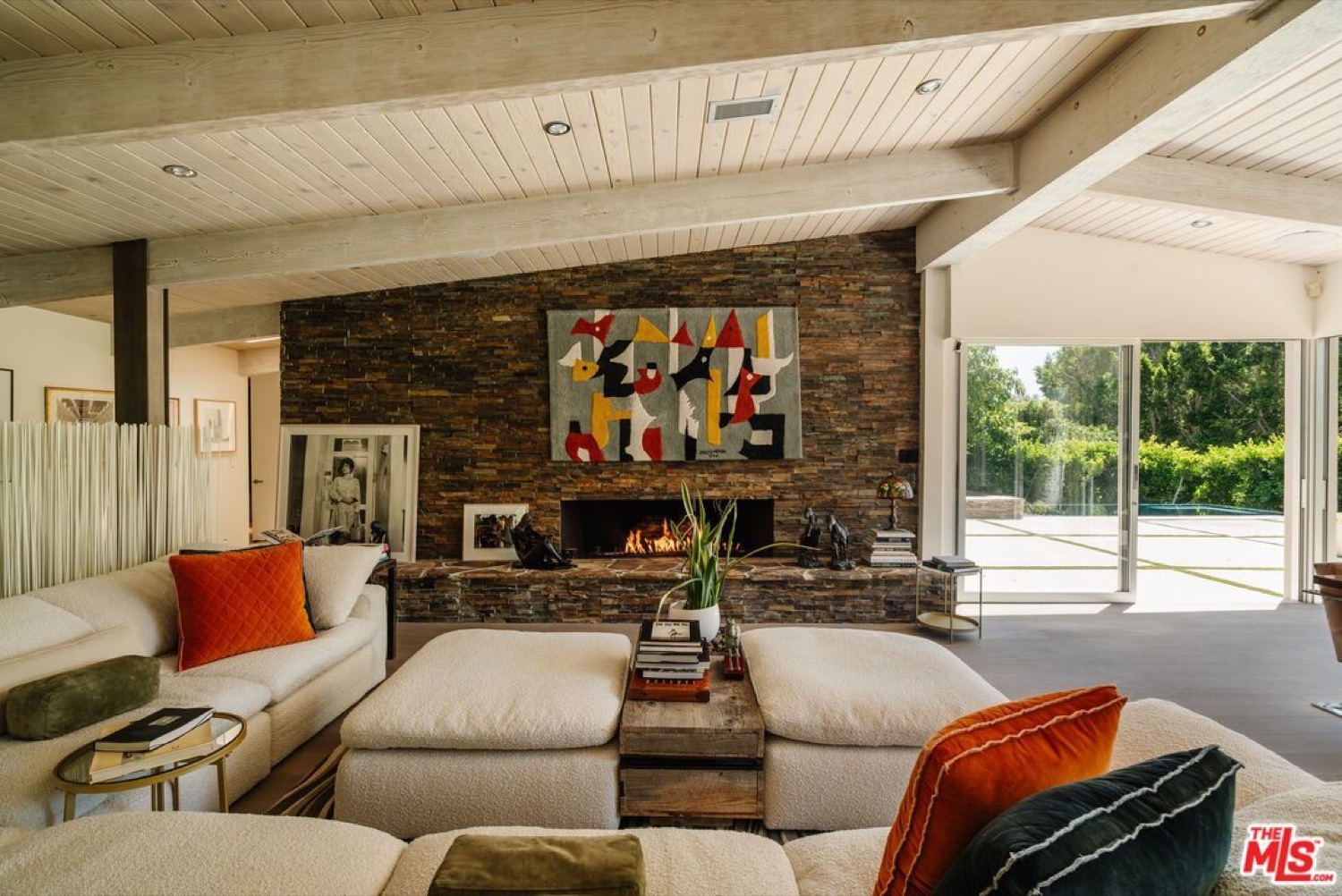
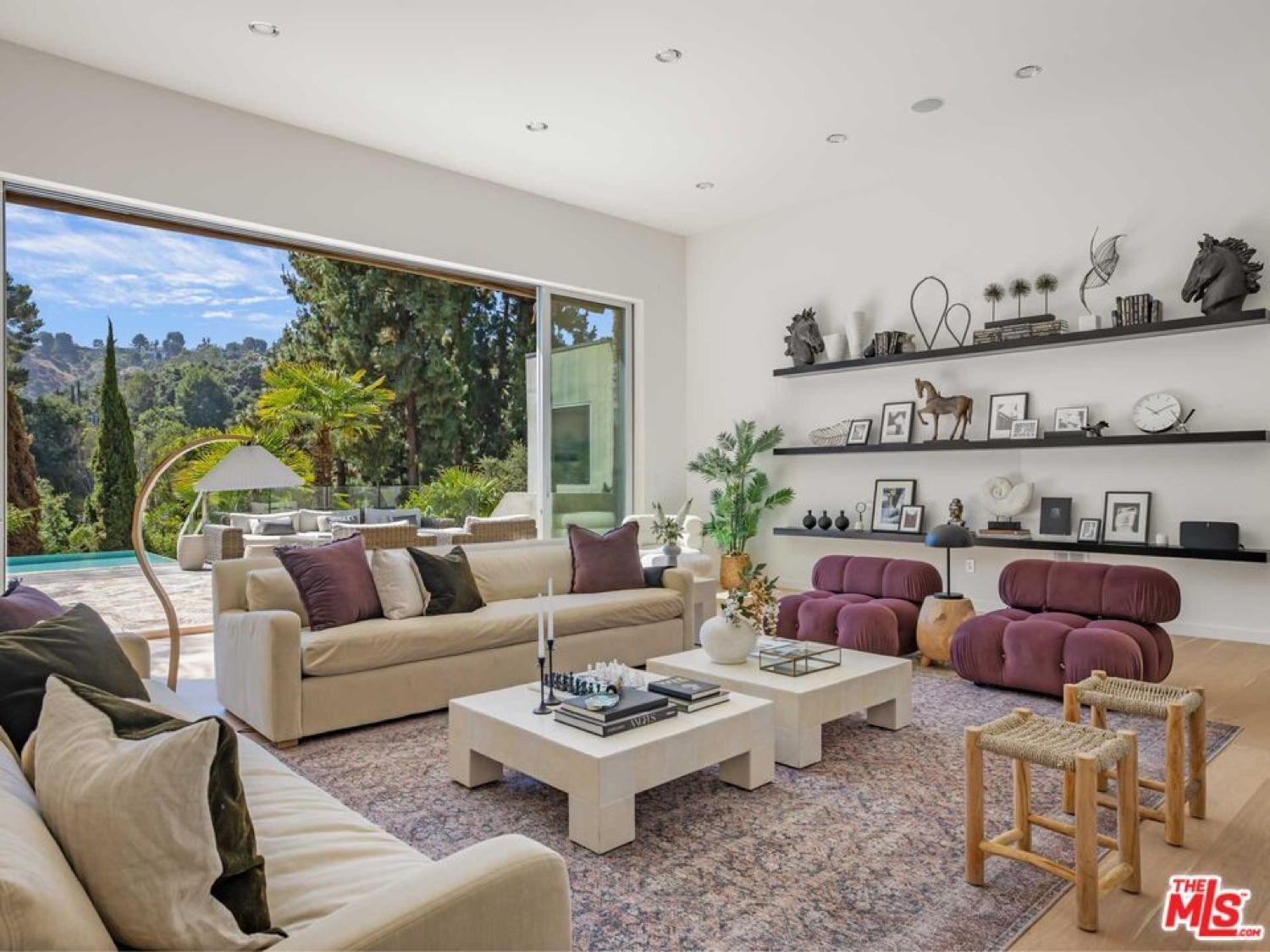
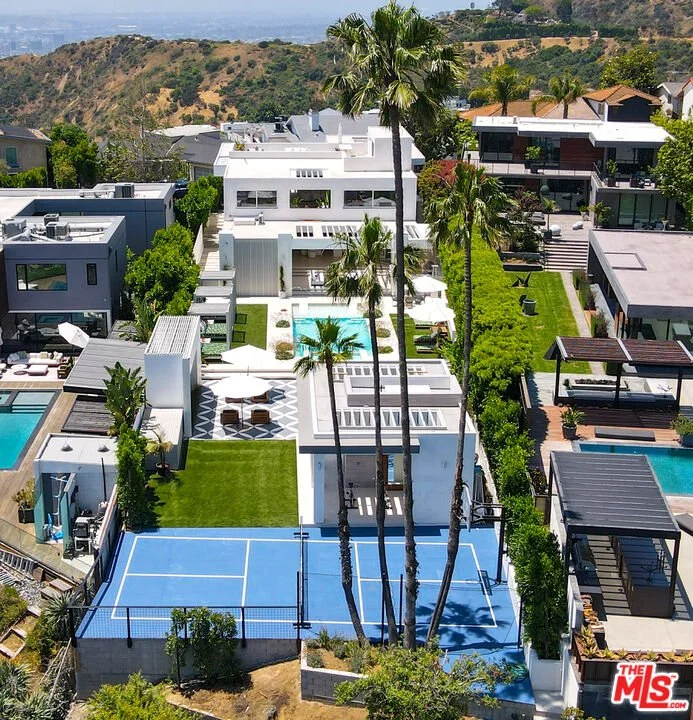
Remodels and expansions of under-improved homes in Class A, A− and B+ neighborhoods, where the principals built their record in the Hollywood Hills and on the Westside.
Also on a select basis: Value-Add Multifamily · Tenancy-in-Common Housing · Compare all strategies →
Current Projects
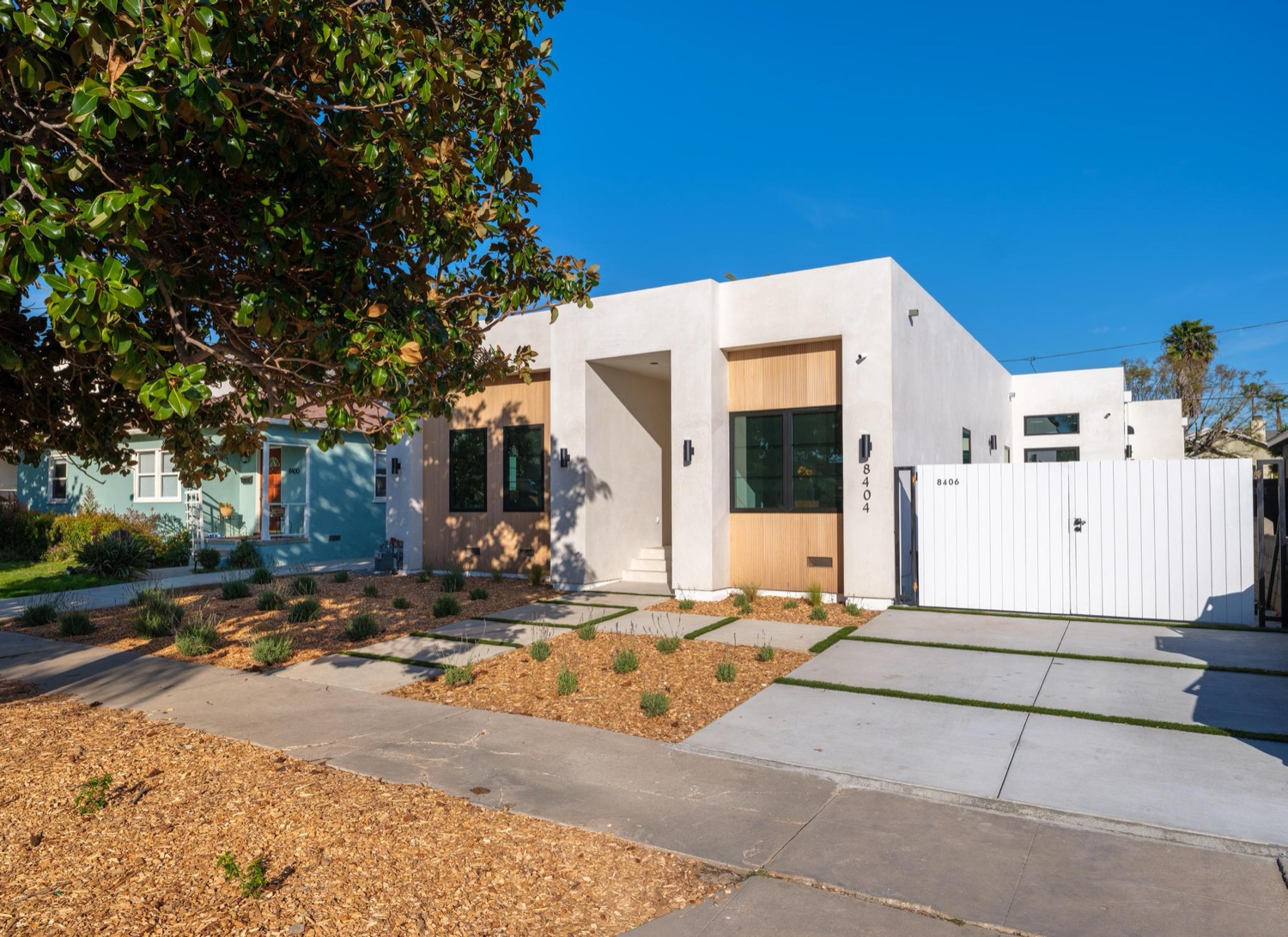
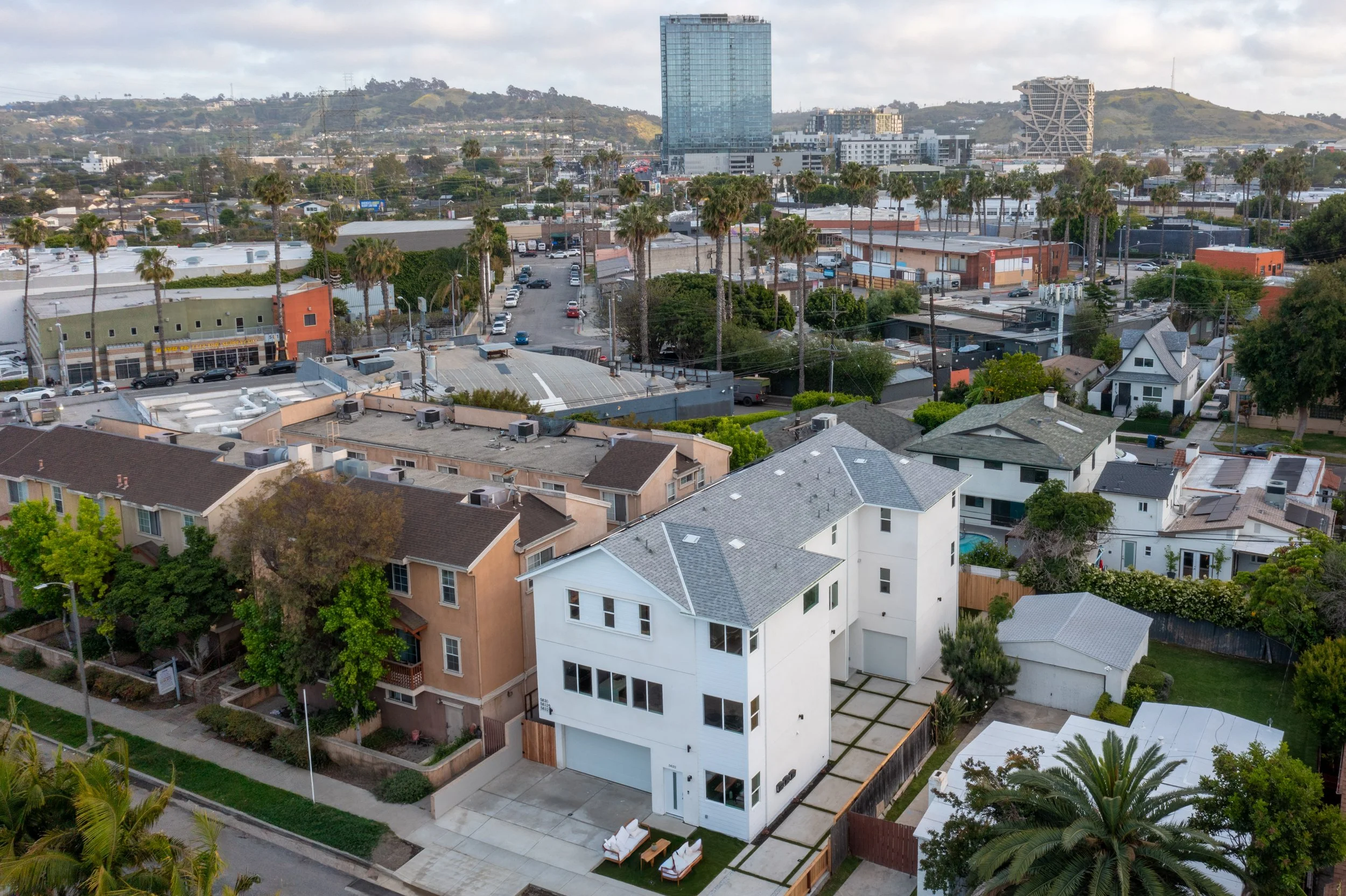
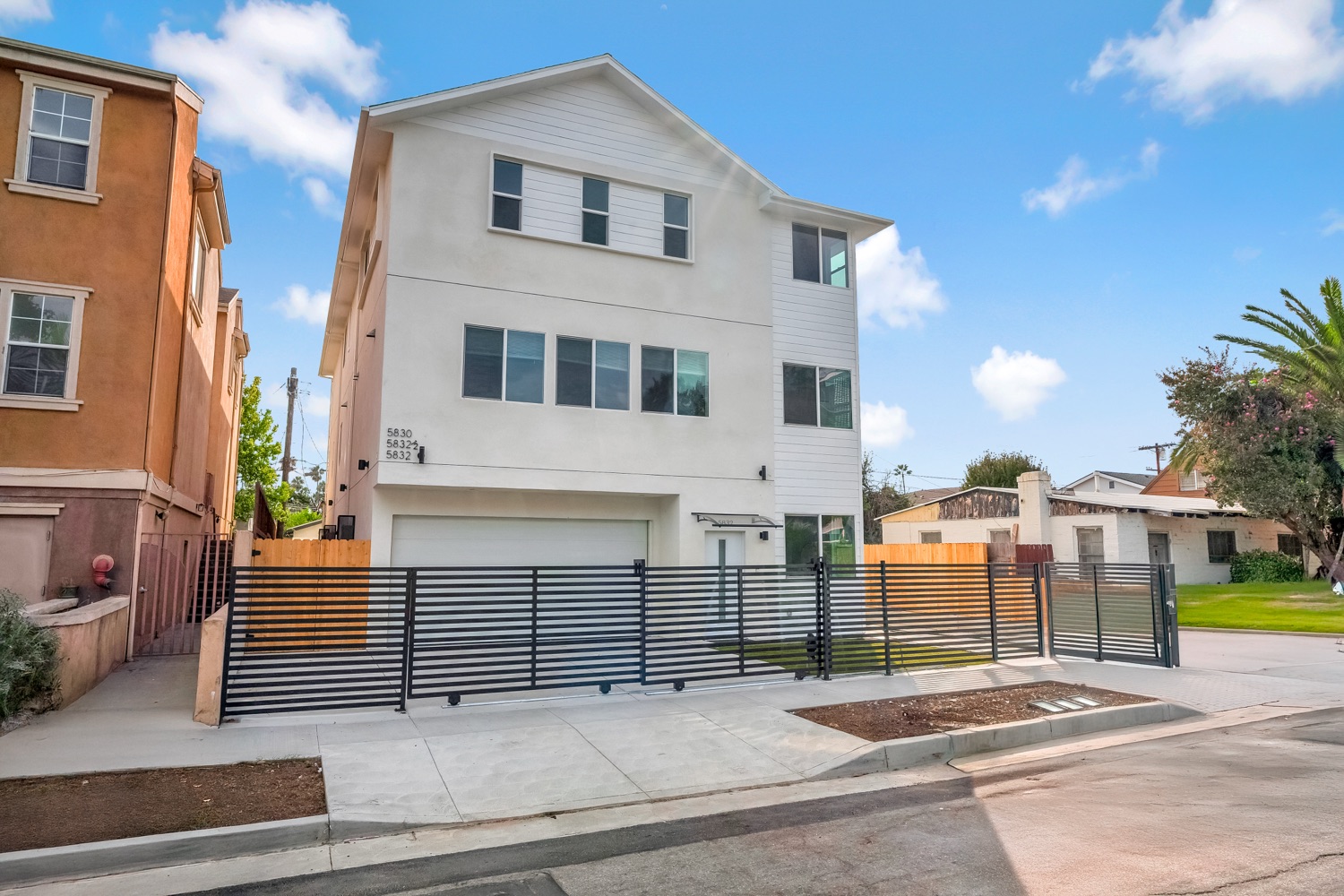
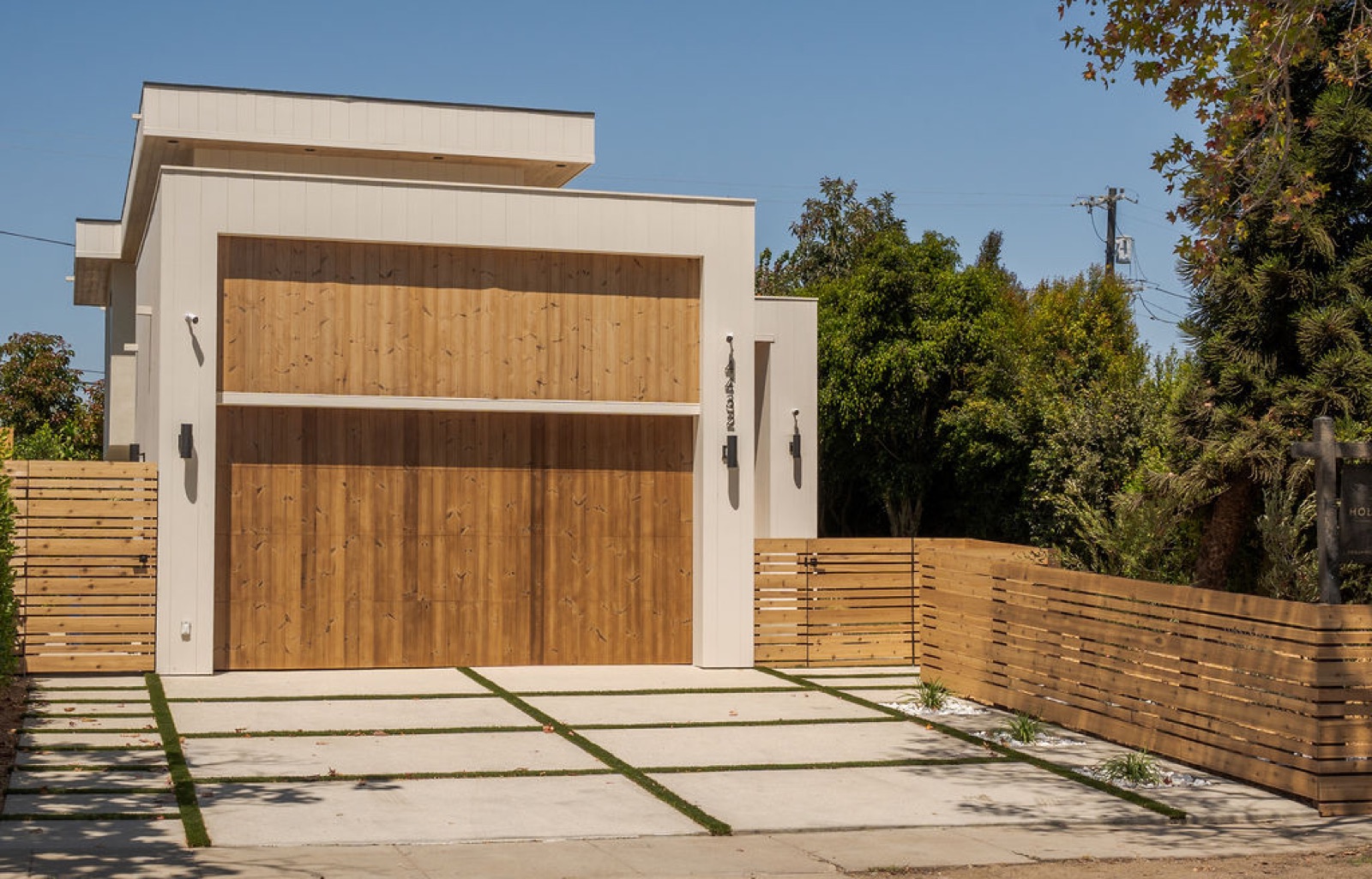
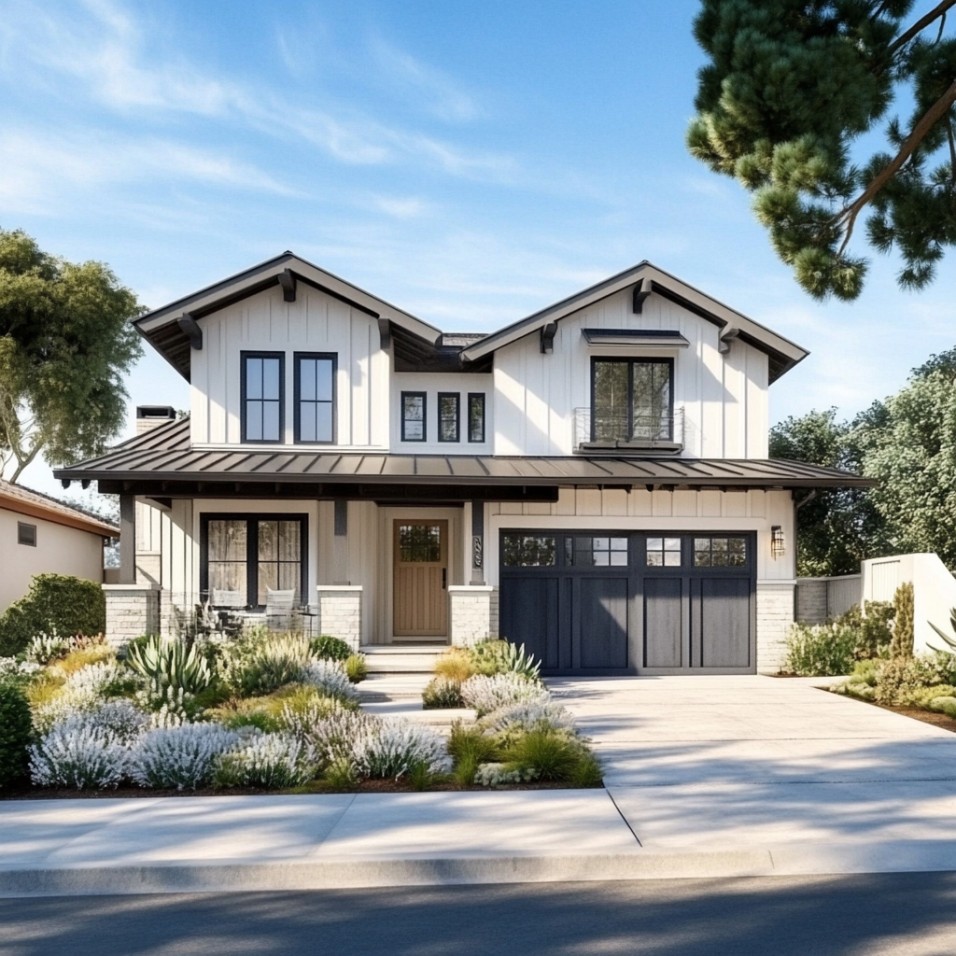
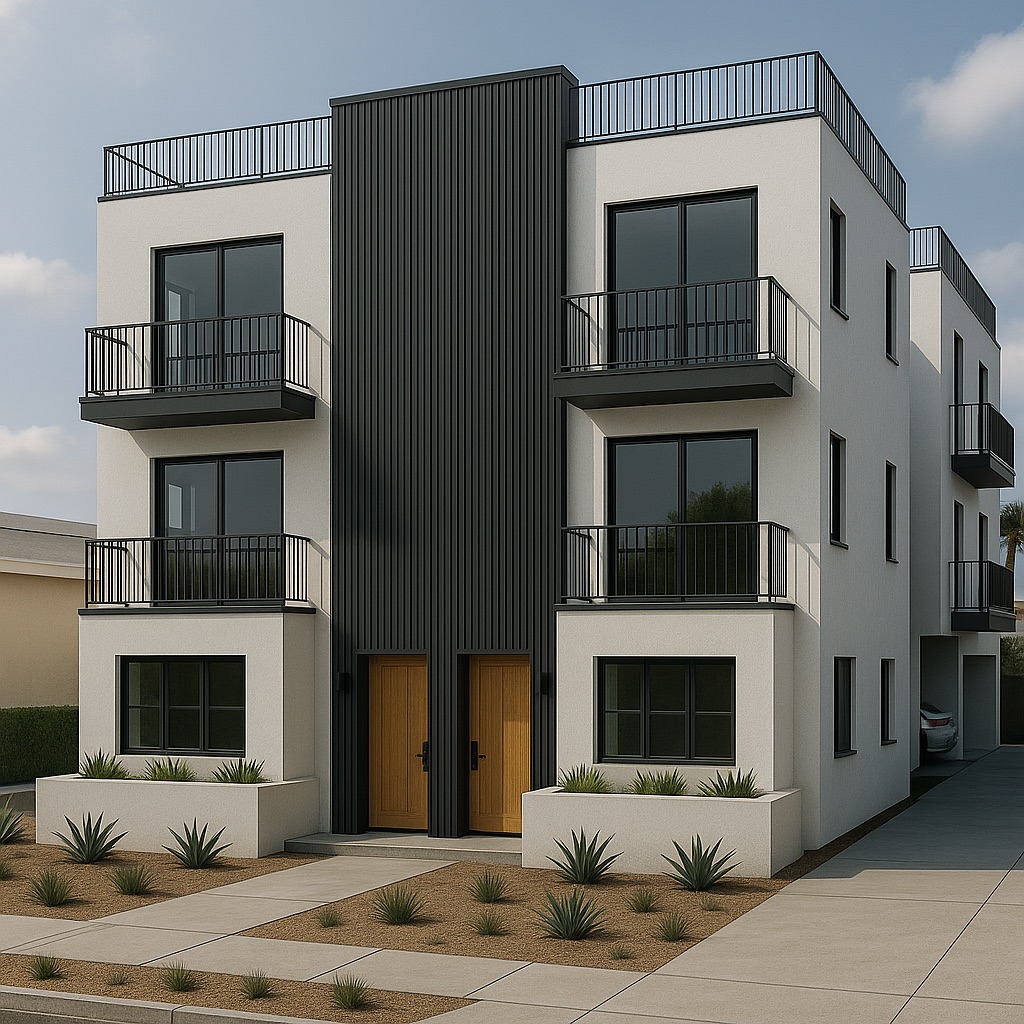
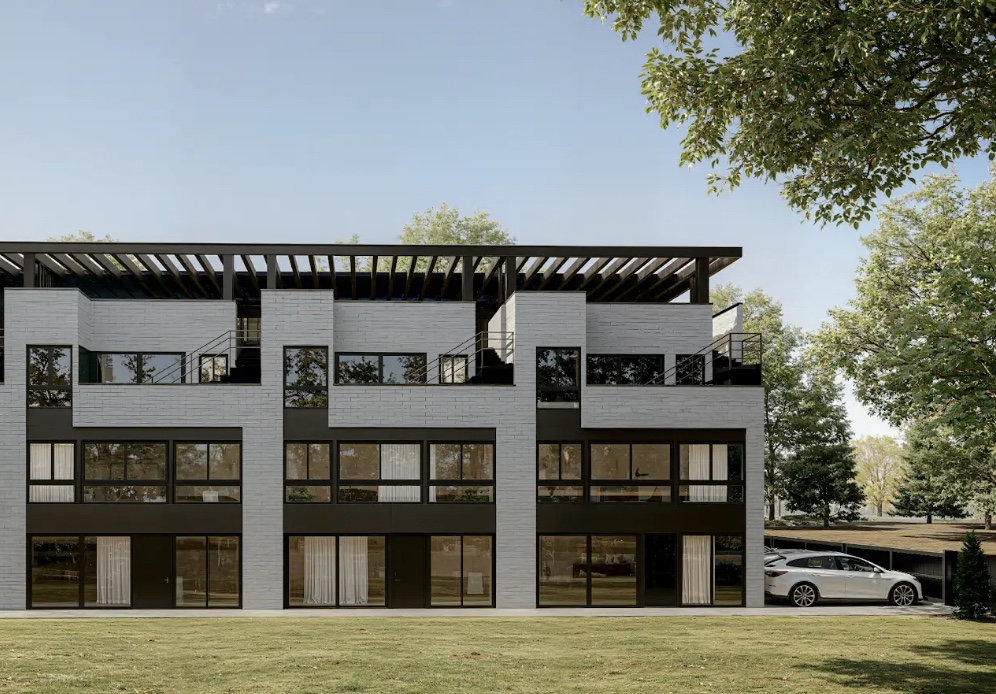
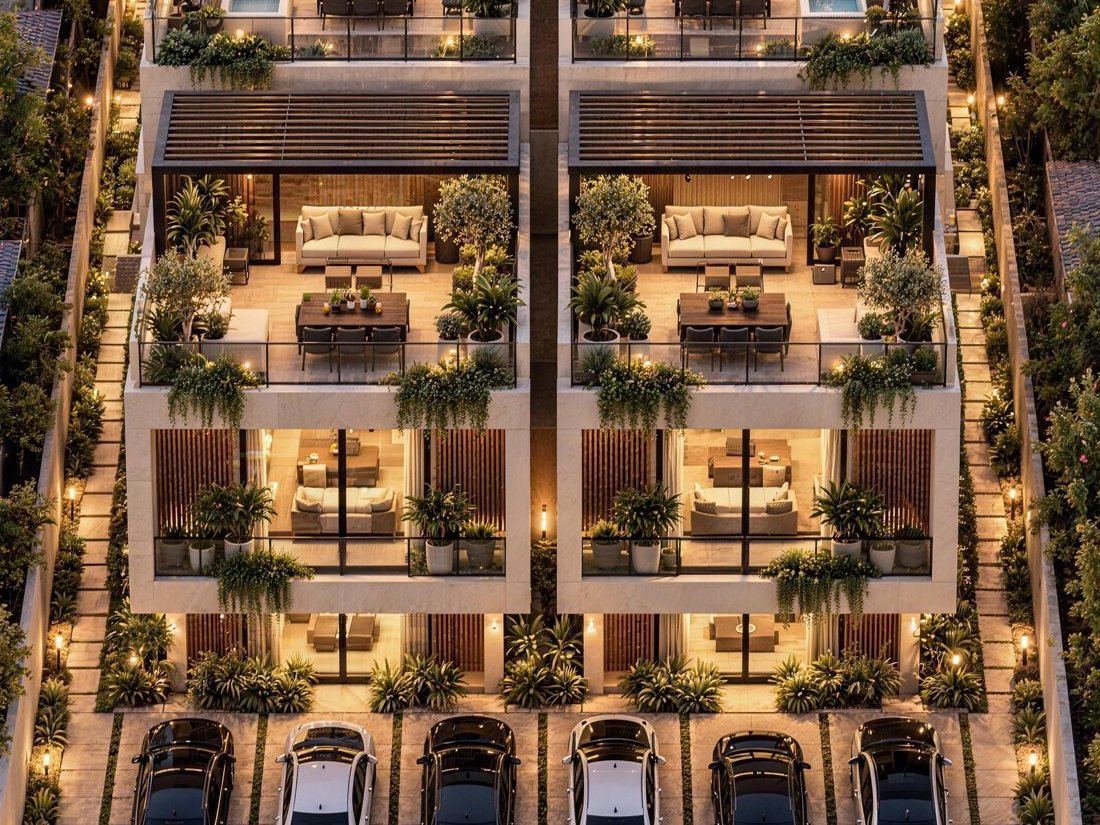
A finished home on the market, a build underway in Westchester, and SB 684 subdivisions moving through entitlement and acquisition in Santa Monica and Culver City. Each is its own LLC, and the principals personally guarantee the loans on every one. Our first completed project, The Gonzaga Residence, sold in 2026 for $2,700,000.
* “Approval” means tentative tract map approval: the city accepted the site as eligible and approved the subdivision, and the project moved into the next entitlement phases. Final map, plan check and ready-to-issue permits are still in progress. The Culver City approval is The Culver VI, an Assemble Capital project; the Santa Monica approval is 1949 17th St, owned by a principal through Thornton Holdings LLC and not an Assemble Capital project.
 01 · Completed
 02 · In Construction
 03 · In Entitlements
 04 · In Entitlements
05 · In Entitlements
04 · In Entitlements
05 · In Entitlements
 06 · In Entitlements
 07 · In Acquisition
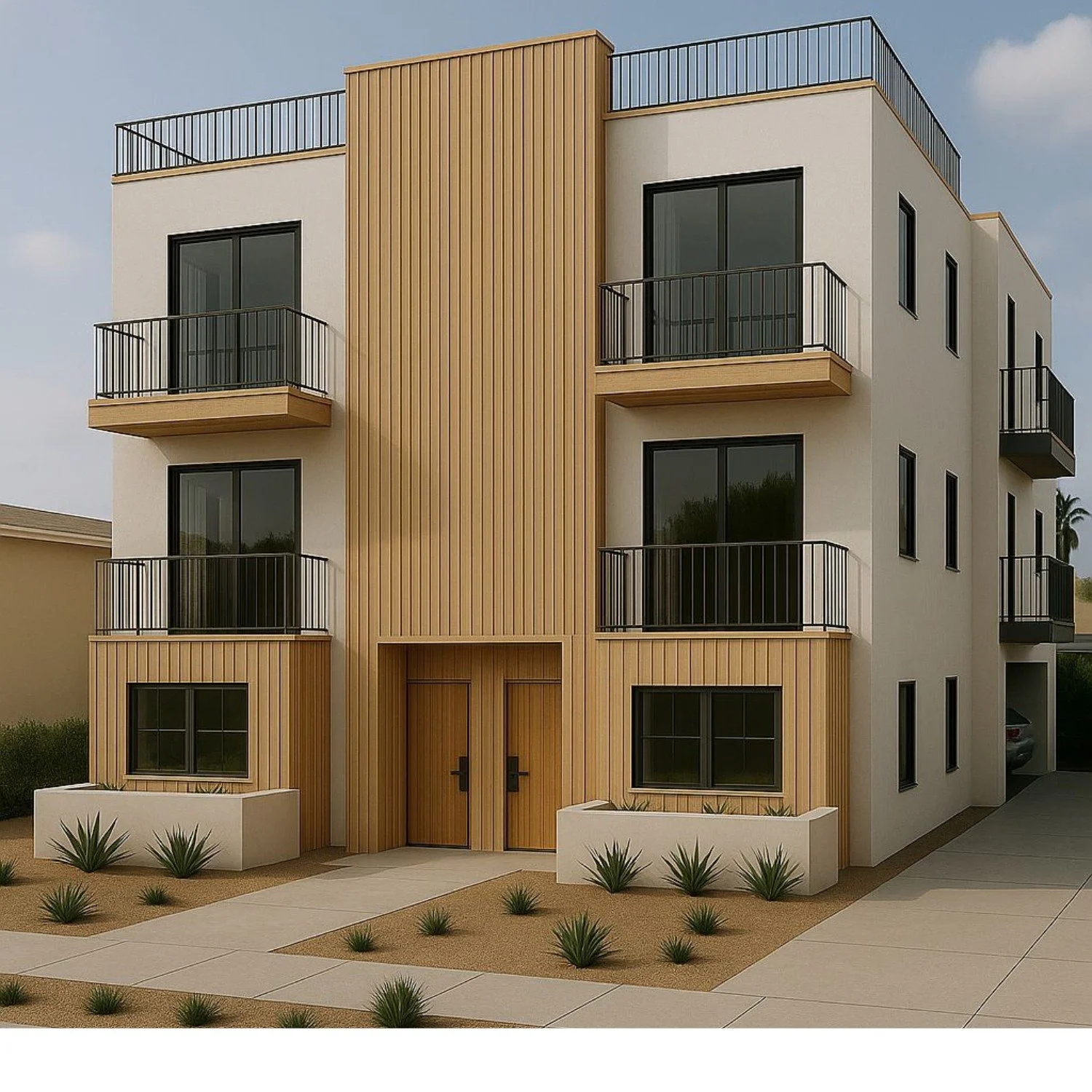
Active projects are private offerings; deal financials are shared privately, not published here. Renderings are conceptual and illustrative. Plans, unit counts, square footage, finishes, and approvals may change. Target dates are estimates, not commitments. Listing prices are subject to change.
Work With Us
Investing, or Have a Property?
Contacting us is not an offer, commitment or investment. Any offering is made only through definitive offering documents to eligible investors with whom we have a pre-existing relationship.
Signature Exits
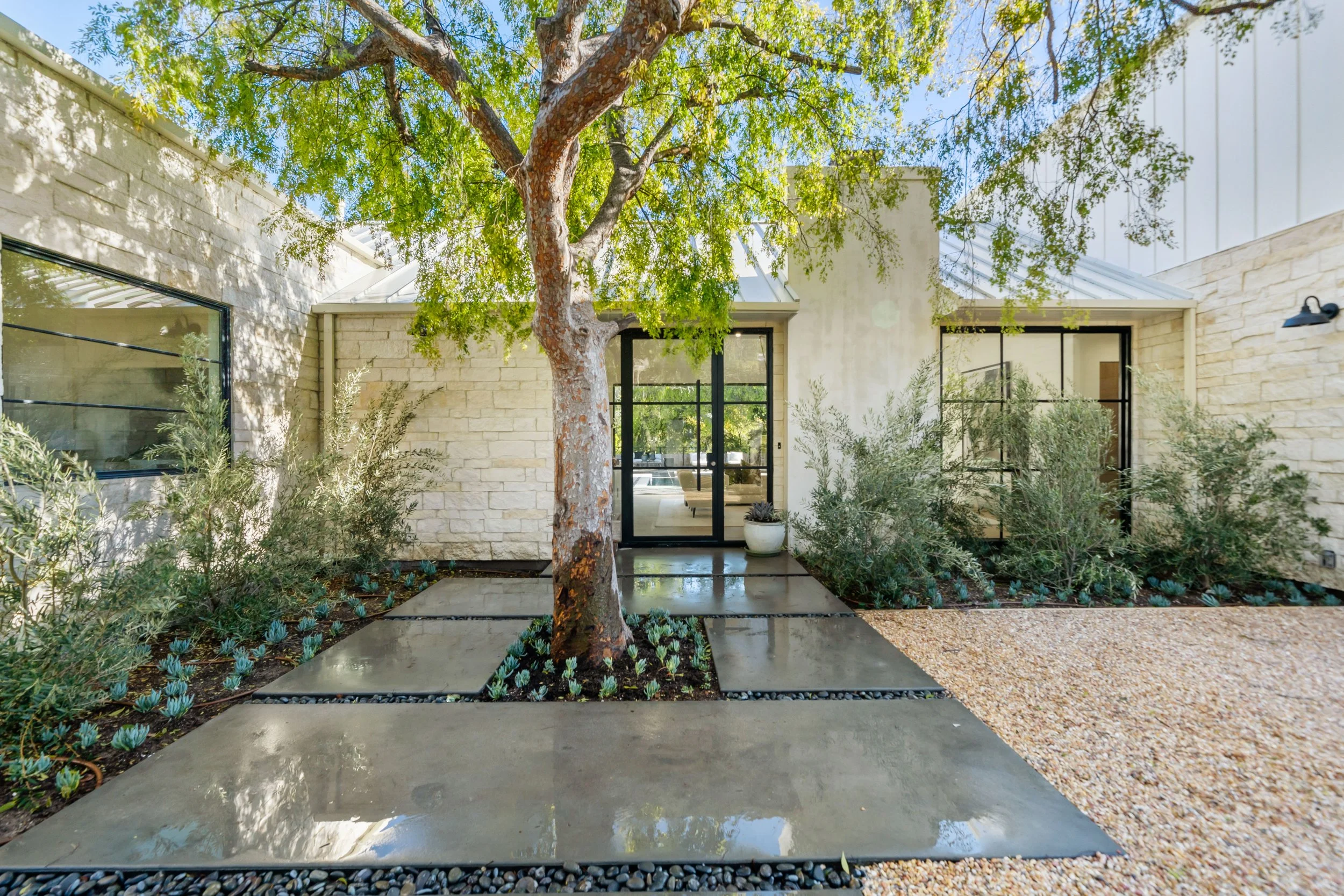
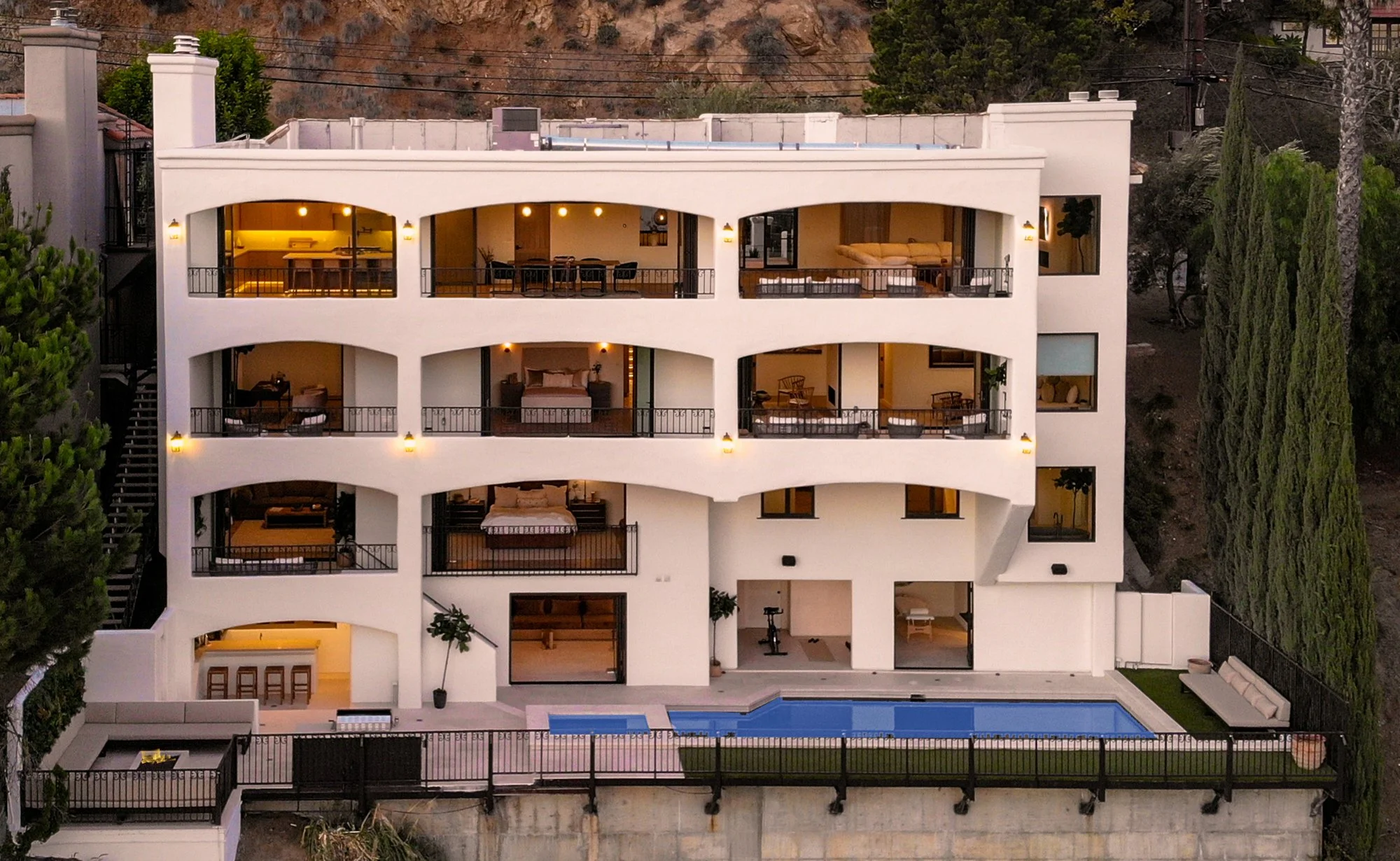
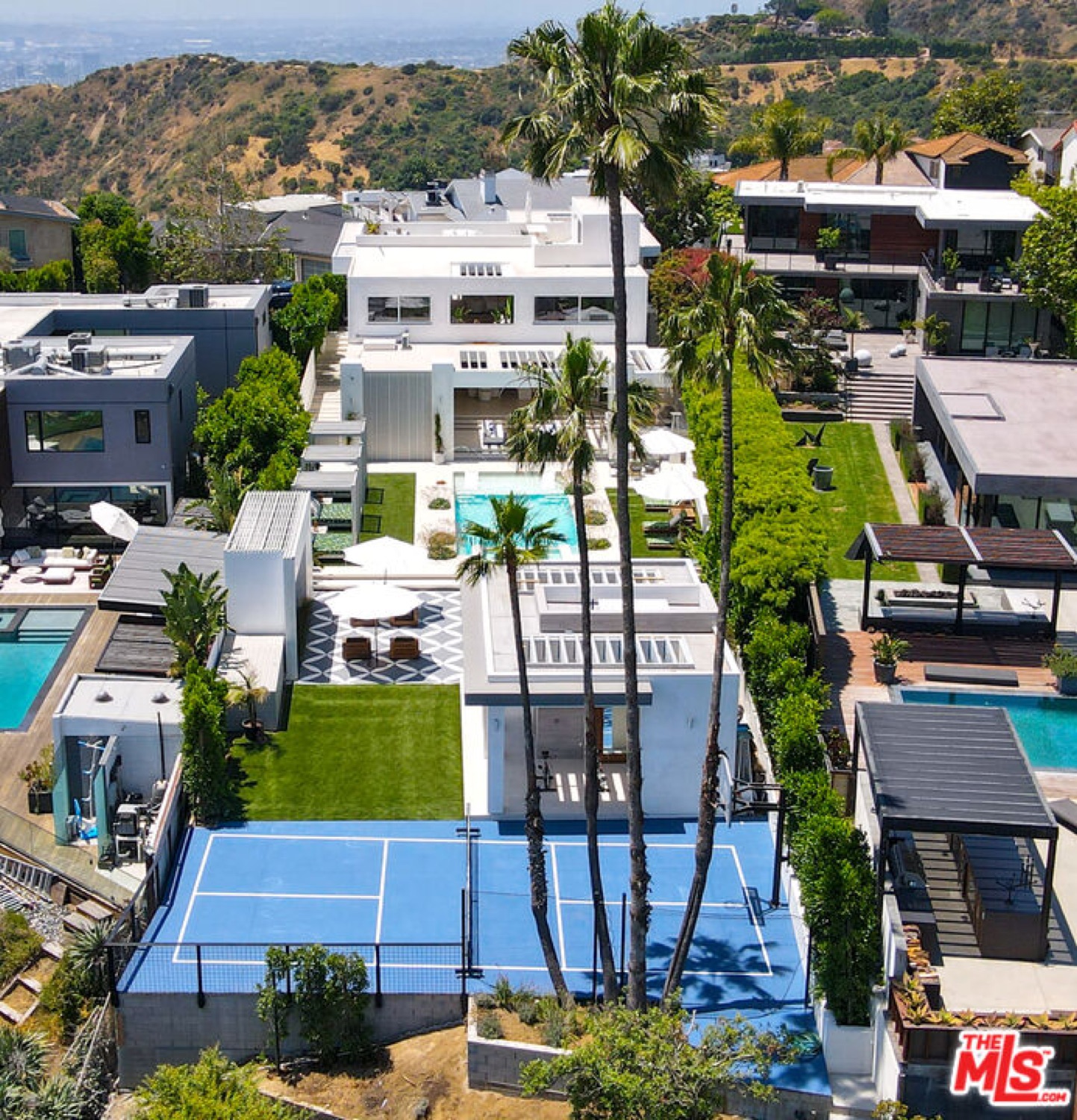
A selection of homes the principals have built and sold in the Hollywood Hills. Three of them set neighborhood price records at the time of closing.
Acquisition through sale directed by the same principals.
High-liquidity LA infill where exit demand is deepest.
Each site matched to its highest-value path.
Business plans of roughly 12 to 36 months.
These sales were completed by the principals through Thornton Development Group and predecessor companies, not through Assemble Capital offerings. Sale prices are recorded sale prices; record claims reflect the highest recorded sale in the stated comparable set at closing, based on MLS and public records. See all completed projects on the track record. Past performance is not indicative of future results.
Learning Center
Plain-English guides to SB 684, luxury remodels, TIC and private investing, written by the team doing the work. Pick a topic.
Questions
Pick a topic to see the questions we hear most.
Private placements are generally limited to accredited investors, a status defined by SEC rules using income, net worth or professional-credential thresholds. Whether a particular person qualifies depends on their own circumstances and is determined through the offering's subscription process, not by this website. See our guide to accredited investor requirements.
Start with a conversation. Request one here and tell us about your goals and experience with private real estate. We set up an introductory call, and when a specific project is a fit, qualified investors review its business plan and offering documents privately. Subscriptions, documents and reporting are then handled in our secure investor portal.
No. The principals personally guarantee the loans on every Assemble Capital project, and investors never sign personal guarantees on project financing. The guarantee runs to the lender, not to investors, so it does not protect investor capital; it means the debt obligations sit with the principals rather than with you.
SB 684, expanded by SB 1123, lets a qualifying infill lot be subdivided into as many as ten fee-simple parcels through ministerial approval, with no discretionary hearings or CEQA review. Each new home sits on its own APN and sells individually to an owner-occupant with a conventional mortgage. We were among the first to execute it in Culver City, and the appraisals and construction financing we have seen are why it is a core strategy. See the SB 684 strategy.
Most of the completed projects were developed by the principals through Thornton Development Group and affiliated companies, which are separate from Assemble Capital. Those projects were not Assemble Capital offerings and did not involve Assemble Capital investors. The exception is The Gonzaga Residence, an Assemble Capital project that sold in 2026; investor-level results for it are reported privately to its investors. They show what the principals have built, not what any Assemble Capital offering has returned.
Our projects are private offerings, so we keep performance figures and offering terms for one-on-one conversations with qualified investors rather than publishing them. Start with a conversation, and once we’ve gotten to know you we’ll walk you through the record and how our projects are structured.
SB 684 is a California law that created a streamlined, ministerial approval process for housing development projects of up to 10 units on multifamily-zoned lots, as part of the Starter Home Revitalization Act. Qualifying projects are approved without a discretionary hearing or CEQA review.
SB 1123 amended the Starter Home Revitalization Act effective July 1, 2025, extending SB 684’s streamlined ministerial process to vacant lots in single-family zones, and adding tenancy in common as a permitted ownership structure.
Up to 10 dwelling units on up to 10 lots, excluding a remainder parcel. New units cannot exceed an average of 1,750 net habitable square feet.
On recent Westside projects, about 12 months from the start of entitlement to ready-to-issue building permits, trending toward 9–10 months, then about 12 months of construction. These are estimates, not guarantees.
Not when each home is a fee-simple lot in a standard subdivision, not a condominium, and is sold as a completed home within an incorporated city (Cal. Bus. & Prof. Code §11010.4).
No. A lot previously subdivided under SB 9 or the Starter Home Revitalization Act is not eligible.
From purchase to resale, many well-run remodel and expansion projects take roughly 12 to 24 months, depending on scope, permitting and the market. Larger or hillside projects can take longer.
Often, but not always. A remodel that keeps part of the structure can reduce demolition, foundation and permitting scope, but hidden conditions can add cost once walls are opened.
Many remodels and additions need only building permits, not separate entitlement approvals, though hillside, historic or coastal sites can add reviews.
For sales on or after July 1, 2026, the first threshold is $5,400,000, according to the City of Los Angeles Office of Finance. The thresholds adjust each July, and a higher rate applies above a second threshold.
Those areas tend to have deeper buyer demand and more consistent resale, which reduces the risk that a finished home sits unsold.
It depends on the age, condition and scope of the house, but remodels generally need more contingency than new construction because existing conditions are only fully visible once walls are opened.
Yes. We work with agents on both sides and honor the agreed commission. Bring us a deal and you stay on it.
Yes. Send deals you have under contract, with the contract price and your assignment terms, and we’ll tell you quickly whether it works for us.
When the deal calls for it, we can close quickly with cash or private financing. Timing depends on title, the seller’s needs and any due diligence the site requires; we’ll tell you our timeline with the offer.
Within two business days you’ll get a yes, a no, or our questions. If it fits, we walk the property and make an offer.
Yes. If you’re not an agent and bring us an off-market property we buy, we pay a referral fee where the law allows it. Tell us up front when you submit, and we’ll confirm terms in writing before you share the owner’s details.
Yes, selectively. For luxury single-family projects we also buy in Beverly Hills proper and select Orange County and South Bay markets, where Measure ULA doesn’t apply. For SB 684 and SB 1123, we also buy infill sites in the South Bay, San Diego County, Orange County and Santa Barbara County, outside the Coastal Zone, where new homes can achieve strong per-square-foot resale. If you’re unsure, send it.
Alignment
The principals personally guarantee the loans on every deal; our investors never sign personal guarantees on any project financing. Development on Assemble Capital projects is directed by its managers, who separately operate Thornton Development Group as an independent company; the principals' roles in both are disclosed in each project's private placement memorandum. Nothing here is an offer to sell or a solicitation to buy any security. The terms of any investment are governed solely by that project's private placement memorandum and operating agreement.