
Insights
Ellis Act and Tenant History: What Can Disqualify an SB 684 Site
Oliver Thornton · October 24, 2026
General information only. This article is educational and is not legal, tax, financial, lending or investment advice. Do your own due diligence and confirm everything with your own qualified professionals before relying on it. Read the full disclaimer.
The fastest way for an otherwise perfect lot to fail an SB 684 screen is its tenant history. California’s small-lot laws were written to add housing without displacing renters, so they exclude sites with recent tenants, protected units or a recent Ellis Act withdrawal. This guide explains what developers check and why.
What the Screens Look For
| Screen | What it means in practice |
|---|---|
| Recent tenant occupancy | Housing occupied by tenants within roughly the last five years can disqualify a site |
| Ellis Act withdrawal | Units withdrawn from the rental market under the Ellis Act within the last 15 years generally disqualify a site |
| Rent-controlled or affordable units | Units subject to rent control or affordability covenants generally cannot be demolished under the Act |
This is a screening summary, not legal advice. The exact language and local implementation vary, so confirm a specific site with the city and qualified counsel.
What the Ellis Act Is
The Ellis Act lets an owner leave the rental business by withdrawing every unit in a building from the rental market, following local notice and relocation rules. Cities such as Los Angeles and Santa Monica keep records of these withdrawals. Because a withdrawal is a public event, it is one of the easiest things for a developer to find, and one of the hardest problems to fix.
The Strongest Candidates
- Owner-occupied homes, especially long-held family homes
- Properties with no rental history in the last five years
- Vacant lots, which also open the SB 1123 path in single-family zones
A single-family home that was rented a decade ago and has been owner-occupied since may still work. A duplex with tenants today usually won’t.
What to Gather Before You Call
- Who has lived in the property over the last five years, and when
- Any leases, rent-registry filings or relocation payments
- Whether any units were ever withdrawn under the Ellis Act
- Whether any unit is subject to rent control or an affordability covenant
Having that history ready is the fastest way to a real answer. If the tenant history is clean and the lot is large enough for six or more homes, send it to us.
Frequently Asked Questions
What is the Ellis Act?
A California law that lets an owner exit the rental business by withdrawing all units in a building from the rental market, subject to local procedures, notice periods and tenant relocation requirements.
How does an Ellis Act withdrawal affect SB 684 eligibility?
A site where rental units were withdrawn under the Ellis Act within the past 15 years generally cannot use SB 684.
Does any past rental disqualify a site?
Not necessarily. The key screens look at tenant occupancy in the recent past, generally the last five years, and at rent-controlled or affordable units. Owner-occupied homes and properties with no recent rental history are the strongest candidates.
How can I check a property's history?
Start with the owner's records and the city's rent-registry or Ellis Act records where they exist. A developer will confirm with the city during due diligence.
Important Disclaimer
This article is published by Assemble Capital for general informational and educational purposes only. It is not legal, tax, accounting, lending, appraisal, real estate brokerage or investment advice, and it is not an offer to sell or a solicitation of an offer to buy any security. Laws, regulations, government programs, lending practices, market conditions and local procedures change often and vary by jurisdiction and by property. The information here may be incomplete, out of date or not applicable to your situation, and we have no obligation to update it.
No one, including investors, lenders, property owners, buyers, sellers, agents, brokers, wholesalers or developers, should rely on this article in making any decision. Before acting on any topic discussed here, independently verify the information and conduct your own due diligence with qualified legal, tax, financial, lending, appraisal and real estate professionals and the applicable government agencies.
References to projects, timelines, approvals, appraisals, financing, prices or market conditions are illustrative, may change, and are not predictions, promises or guarantees of any result. Past performance is not indicative of future results.
Reading this article or contacting us does not create an attorney-client, advisory, fiduciary, agency, brokerage or other relationship with Assemble Capital, its affiliates or its principals. Assemble Capital makes no representation or warranty, express or implied, as to the accuracy, completeness or timeliness of this content and, to the fullest extent permitted by law, disclaims all liability for any loss or damage arising from any reliance on it. Use of this site is subject to our Terms of Service and Risks & Disclosures.
Related Reading
Keep Going.

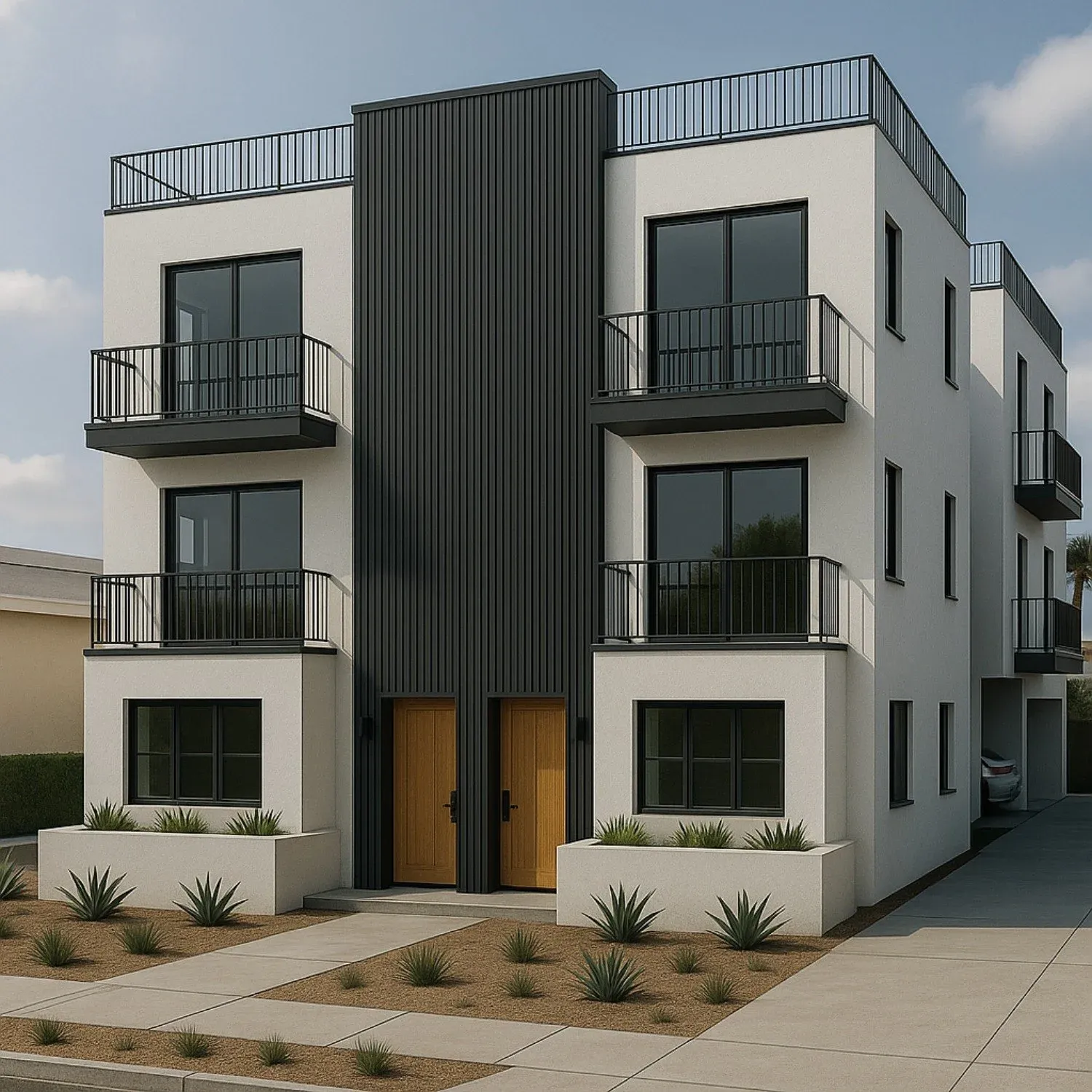

Or see how this plays out in practice: SB 684/1123 Fee Simple Subdivisions.
Work With Us
Investing, or Have a Property?
Contacting us is not an offer, commitment or investment. Any offering is made only through definitive offering documents to eligible investors with whom we have a pre-existing relationship.