
Insights
SB 684 vs. SB 9: Which California Lot-Split Law Fits Your Site?
Oliver Thornton · October 24, 2026
General information only. This article is educational and is not legal, tax, financial, lending or investment advice. Do your own due diligence and confirm everything with your own qualified professionals before relying on it. Read the full disclaimer.
California now has two ministerial paths for turning one residential lot into several homes: SB 9, in effect since 2022, and the Starter Home Revitalization Act created by SB 684 and extended by SB 1123. Both skip the discretionary hearing. They are built for very different projects, and picking the wrong one can cap a site well below what it could carry.
This guide compares the two side by side from the perspective of a developer running SB 684 projects on the Westside. For the full rules on SB 684 and SB 1123, see our complete SB 684 and SB 1123 guide.
The Short Answer
SB 9 is a homeowner’s tool: split a single-family lot in two, add a unit or two, and keep living there. SB 684 and SB 1123 are a small-builder’s tool: subdivide a qualifying lot into as many as ten fee-simple parcels and build a new home on each, sold one by one to owner-occupants. If the goal is a small community of new starter homes, the Starter Home Revitalization Act is the path. If the goal is one or two extra units behind an existing house, SB 9 usually is.
Side-by-Side Comparison
| SB 684 / SB 1123 | SB 9 | |
|---|---|---|
| Zoning | Multifamily zones (SB 684); vacant single-family lots (SB 1123) | Single-family zones |
| Maximum new lots | Up to 10 | 2 |
| Maximum homes | Up to 10 | Up to 4 (2 per lot) |
| Site size limit | 5 acres (multifamily) / 1.5 acres (vacant single-family) | None stated; each new lot generally at least 1,200 sq ft |
| Owner-occupancy | Not required | Applicant affidavit to occupy one unit for 3 years (lot splits) |
| Approval | Ministerial; no hearing, no CEQA; 60-day decision | Ministerial; no hearing |
| Typical buyer | Owner-occupants buying new fee-simple homes | The existing owner, or a buyer of one split parcel |
| Prior splits | Not allowed if previously split under SB 9 or the SHRA | Not allowed on a parcel created by a prior SB 9 split |
Where SB 9 Fits
SB 9 works best for an owner who wants to stay. Splitting a large single-family lot in two, keeping the existing house and adding a second home on the new parcel can unlock value without selling. Because a lot split generally requires the applicant to commit to living there for three years, SB 9 is rarely a practical route for a developer building to sell, and its four-unit ceiling limits how much new housing a site can deliver.
Where SB 684 and SB 1123 Fit
The Starter Home Revitalization Act was written for exactly the project SB 9 can’t do well: a builder subdividing an infill lot into several small fee-simple parcels and selling each new home individually. SB 684 covers multifamily-zoned land; SB 1123, effective July 1, 2025, extends the same process to vacant single-family lots. Lot-size, setback and floor-area floors set by the state make compact site plans possible, and the 60-day ministerial decision turns entitlement into a schedule rather than a political outcome.
On the Westside, that is how a dated house on a 6,000-square-foot multifamily lot can become six new homes, each on its own parcel and each financeable with a conventional mortgage.
Tenant and Demolition Rules
Both laws protect existing renters, and both screen out sites that were recently taken off the rental market. In practice, the sites that work best for SB 684 are owner-occupied homes or homes with no rental history in the last five years, with no Ellis Act withdrawal in the last fifteen. A site that fails those screens may not qualify at all, so tenant history is one of the first things a developer will ask about.
Which Is Better for an Owner Selling a Lot?
If you plan to sell rather than build, the question is which law makes your lot most valuable to a buyer. A multifamily-zoned lot that can carry six or more fee-simple homes under SB 684 is often worth more to a small-lot developer than to a buyer valuing only the existing house, because the price is set by what the land can become. Our guide to selling your lot to an SB 684 developer walks through how that pricing works.
Frequently Asked Questions
Can I use SB 684 and SB 9 on the same lot?
No. A lot that has already been split under SB 9 or under the Starter Home Revitalization Act is not eligible for another split under SB 684 or SB 1123, so the pathway has to be chosen before the first application.
How many homes can I build under SB 9 vs. SB 684?
SB 9 allows up to four units: a lot split into two parcels with up to two units on each. SB 684 and SB 1123 allow up to ten lots and ten homes on a qualifying site.
Does SB 9 require the owner to live on the property?
For an SB 9 urban lot split, the applicant generally has to sign an affidavit stating they intend to live in one of the units for at least three years. SB 684 and SB 1123 have no owner-occupancy requirement, which is one reason developers use them.
Which law applies to multifamily-zoned lots?
SB 684. SB 9 applies to single-family zones, and SB 1123 extends the SB 684 process to vacant single-family-zoned lots.
Important Disclaimer
This article is published by Assemble Capital for general informational and educational purposes only. It is not legal, tax, accounting, lending, appraisal, real estate brokerage or investment advice, and it is not an offer to sell or a solicitation of an offer to buy any security. Laws, regulations, government programs, lending practices, market conditions and local procedures change often and vary by jurisdiction and by property. The information here may be incomplete, out of date or not applicable to your situation, and we have no obligation to update it.
No one, including investors, lenders, property owners, buyers, sellers, agents, brokers, wholesalers or developers, should rely on this article in making any decision. Before acting on any topic discussed here, independently verify the information and conduct your own due diligence with qualified legal, tax, financial, lending, appraisal and real estate professionals and the applicable government agencies.
References to projects, timelines, approvals, appraisals, financing, prices or market conditions are illustrative, may change, and are not predictions, promises or guarantees of any result. Past performance is not indicative of future results.
Reading this article or contacting us does not create an attorney-client, advisory, fiduciary, agency, brokerage or other relationship with Assemble Capital, its affiliates or its principals. Assemble Capital makes no representation or warranty, express or implied, as to the accuracy, completeness or timeliness of this content and, to the fullest extent permitted by law, disclaims all liability for any loss or damage arising from any reliance on it. Use of this site is subject to our Terms of Service and Risks & Disclosures.
Related Reading
Keep Going.
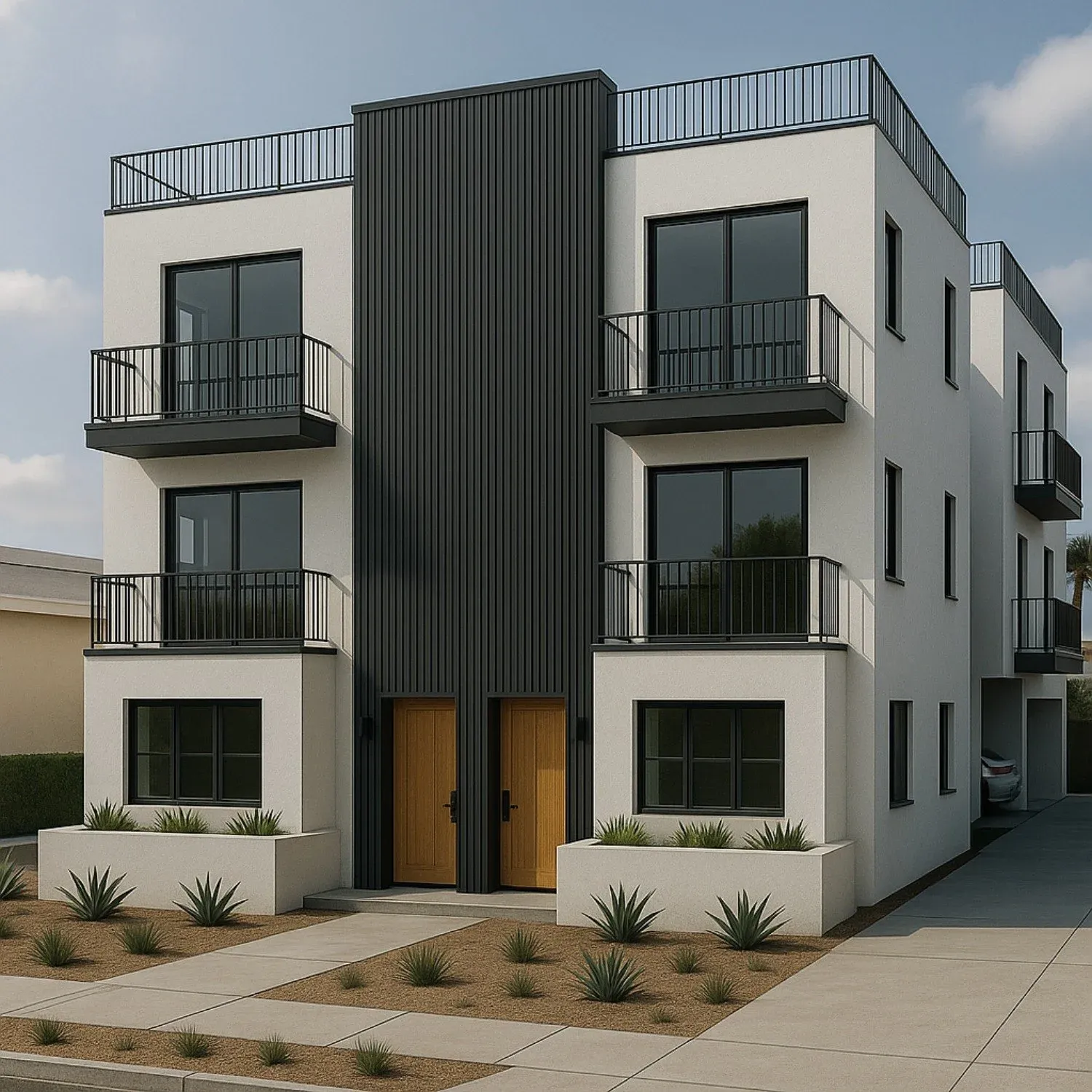
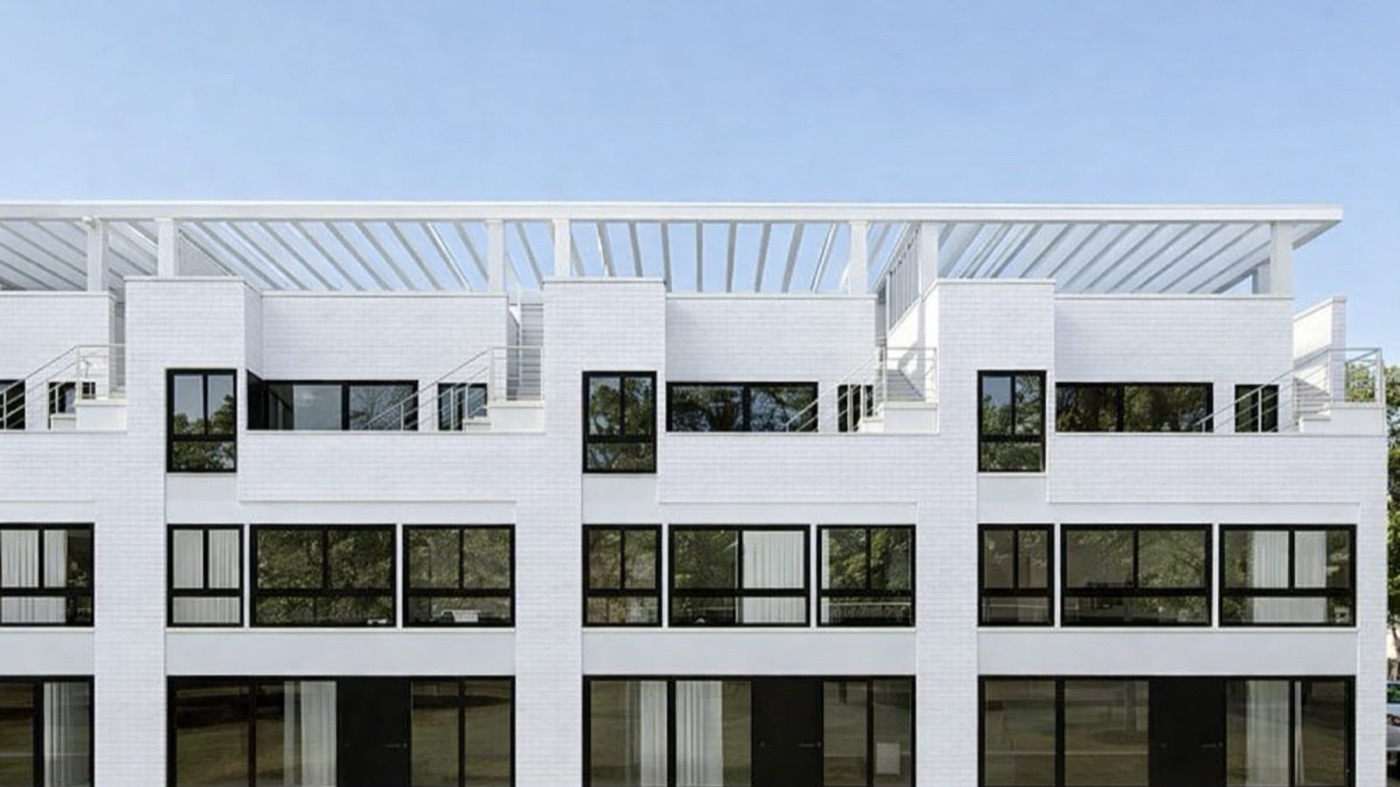
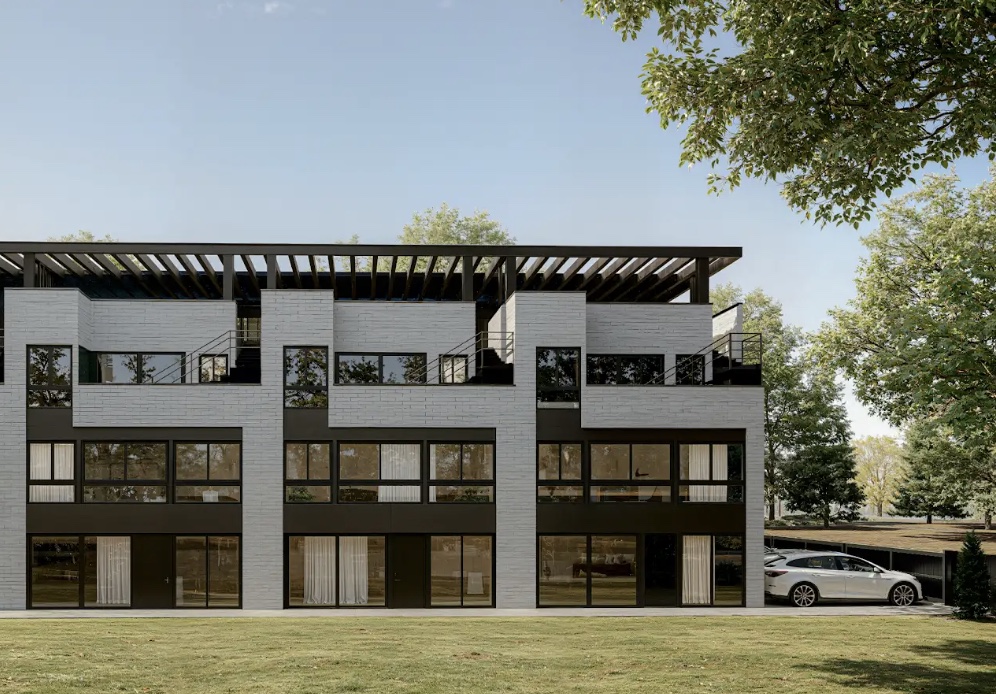
Or see how this plays out in practice: SB 684/1123 Fee Simple Subdivisions.
Work With Us
Investing, or Have a Property?
Contacting us is not an offer, commitment or investment. Any offering is made only through definitive offering documents to eligible investors with whom we have a pre-existing relationship.