
General information only. This article is educational and is not legal, tax, financial, lending or investment advice. Do your own due diligence and confirm everything with your own qualified professionals before relying on it. Read the full disclaimer.
Financing is where an SB 684 project either gets easier or stalls. The approval itself creates value, and the way lenders measure that value determines how much new equity a project needs to start construction. This article explains the mechanics in general terms.
Three Stages of Debt
| Stage | Typical loan | What it funds |
|---|---|---|
| Acquisition | Short-term acquisition or bridge loan | Purchase of the lot, sometimes with a holdback for design and entitlement |
| Construction | Construction loan, often refinancing the acquisition loan | Building the homes, with funds drawn as work is completed |
| Sale | Loan repaid home by home | Each closing releases a lot from the loan |
What the Appraisal Measures
Construction lenders usually look at two values. The as-is value is what the site is worth today; once a subdivision is approved, that is the value of several entitled lots rather than one older house. The as-complete value is what the finished homes are expected to sell for. Lenders then size the loan against limits such as loan-to-cost (the loan as a share of total project cost) and loan-to-after-repair value (the loan as a share of the as-complete value).
Why Entitlement Can Mean Less Cash at Closing
When the entitled and as-complete values come in well above what was paid for the lot, the construction loan can be large enough to repay the acquisition loan and fund the build without a significant new equity injection. On both SB 684 projects our team has taken to construction financing, the appraisals cleared lenders’ requirements with room to spare and the construction loans closed with no cash required at closing. That is a financing milestone, not a finished result: no SB 684 project in our pipeline has completed its sellout yet.
What Lenders Look For
- An approved tentative tract map and a clear path to ready-to-issue permits
- A credible construction budget and schedule, with contingency
- Comparable sales supporting the as-complete value of each home
- Sponsor experience building comparable product
- Personal guarantees from the sponsor’s principals, which are common on construction loans
The Risks
Appraisals are opinions, not promises. Costs can rise, schedules can slip, interest can accrue faster than planned, and finished homes can sell for less or more slowly than expected. Leverage that helps when values hold can hurt when they don’t. Anyone evaluating a project should look at the downside case as carefully as the appraisal. See our risks and disclosures and how we work with investors.
Frequently Asked Questions
Why does entitlement change a project's value?
Approval turns one lot into several legal, buildable lots. Appraisers can then value the site as entitled land and the finished homes individually, which is often well above the value of the original lot.
What is loan-to-after-repair value (LTARV)?
The loan amount divided by the appraised value of the completed project. Lenders use it, alongside loan-to-cost, to size construction loans.
What does no cash to close mean on a construction refinance?
That the new construction loan was large enough to repay the acquisition loan and cover closing costs without the borrower bringing new money to closing.
Is the outcome of an SB 684 project guaranteed by its appraisal?
No. Appraisals are estimates. Construction costs, schedules and sale prices can differ from projections, and no project's financing guarantees its results.
Important Disclaimer
This article is published by Assemble Capital for general informational and educational purposes only. It is not legal, tax, accounting, lending, appraisal, real estate brokerage or investment advice, and it is not an offer to sell or a solicitation of an offer to buy any security. Laws, regulations, government programs, lending practices, market conditions and local procedures change often and vary by jurisdiction and by property. The information here may be incomplete, out of date or not applicable to your situation, and we have no obligation to update it.
No one, including investors, lenders, property owners, buyers, sellers, agents, brokers, wholesalers or developers, should rely on this article in making any decision. Before acting on any topic discussed here, independently verify the information and conduct your own due diligence with qualified legal, tax, financial, lending, appraisal and real estate professionals and the applicable government agencies.
References to projects, timelines, approvals, appraisals, financing, prices or market conditions are illustrative, may change, and are not predictions, promises or guarantees of any result. Past performance is not indicative of future results.
Reading this article or contacting us does not create an attorney-client, advisory, fiduciary, agency, brokerage or other relationship with Assemble Capital, its affiliates or its principals. Assemble Capital makes no representation or warranty, express or implied, as to the accuracy, completeness or timeliness of this content and, to the fullest extent permitted by law, disclaims all liability for any loss or damage arising from any reliance on it. Use of this site is subject to our Terms of Service and Risks & Disclosures.
Related Reading
Keep Going.
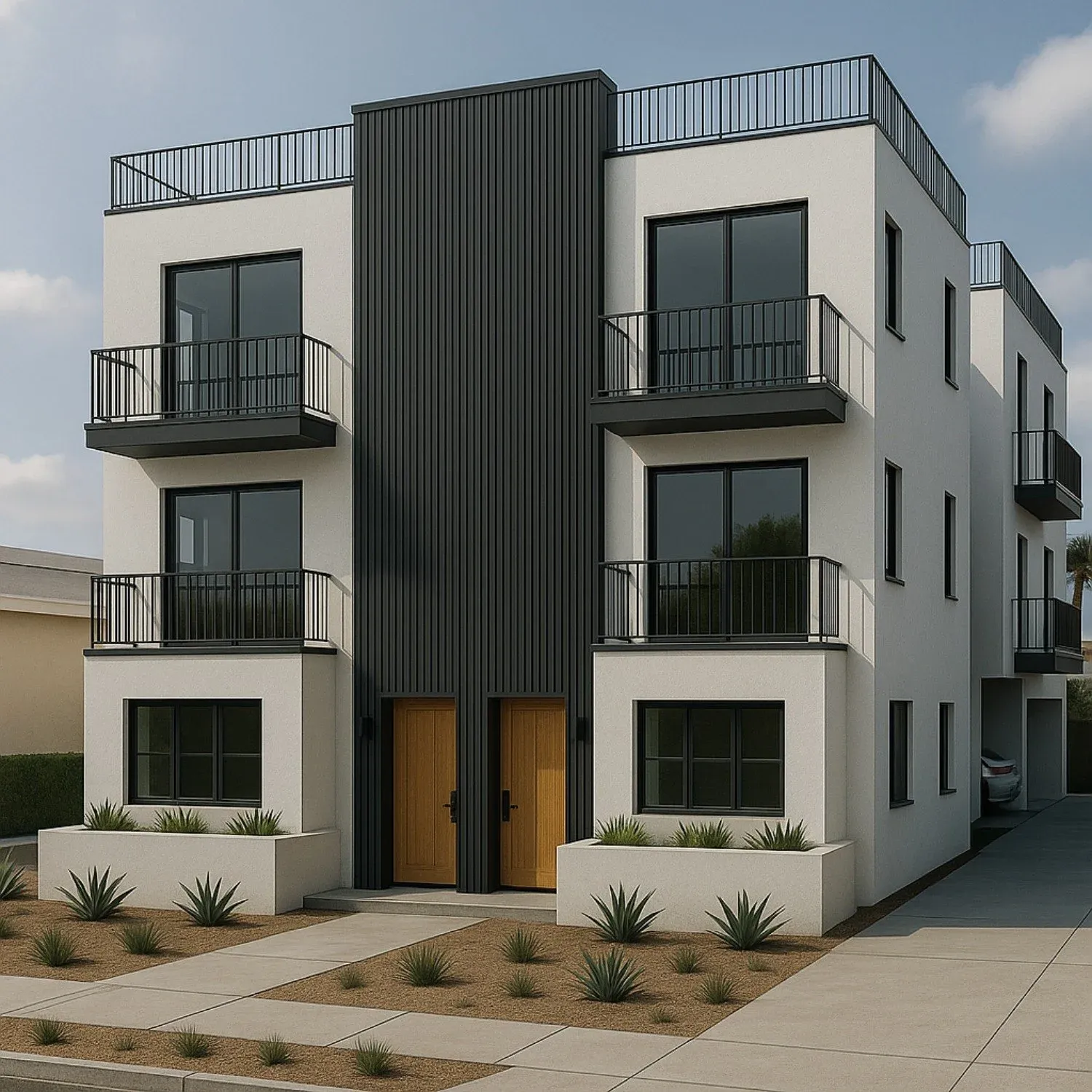
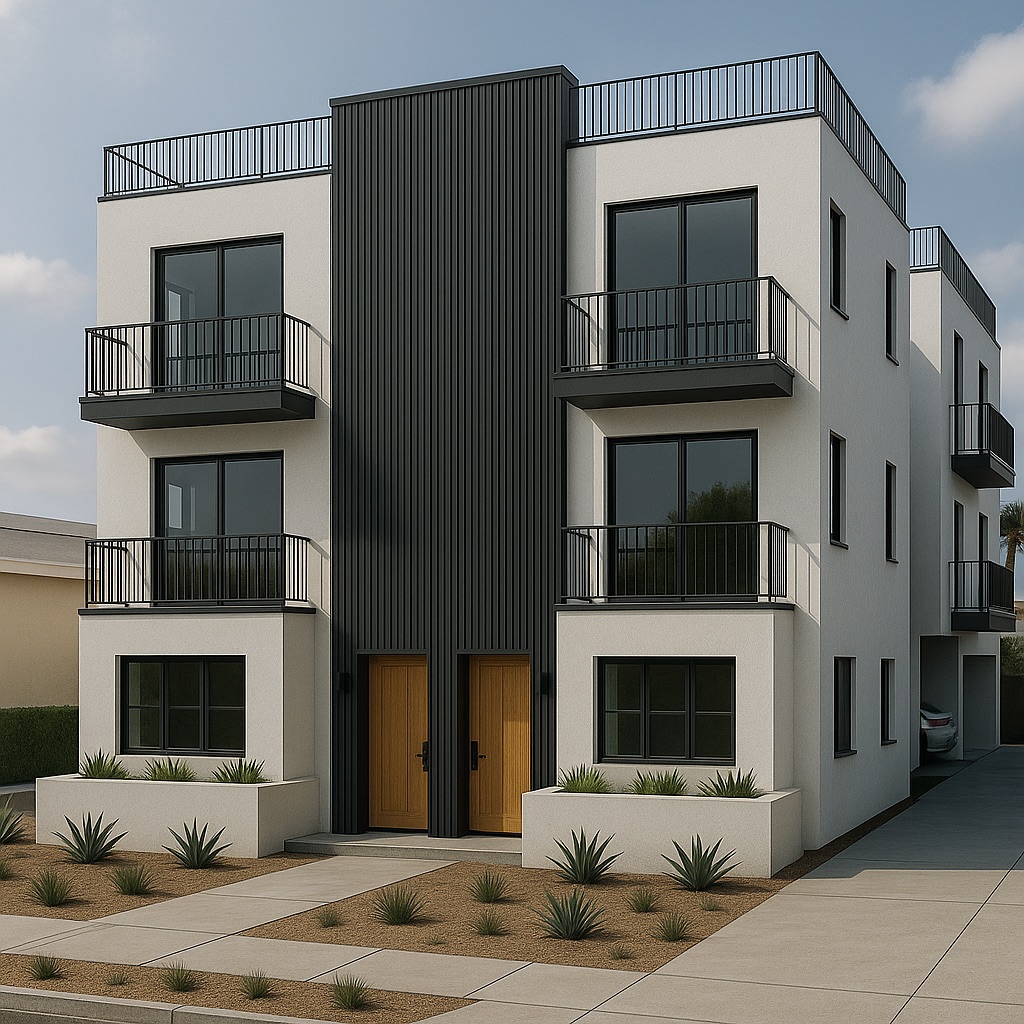
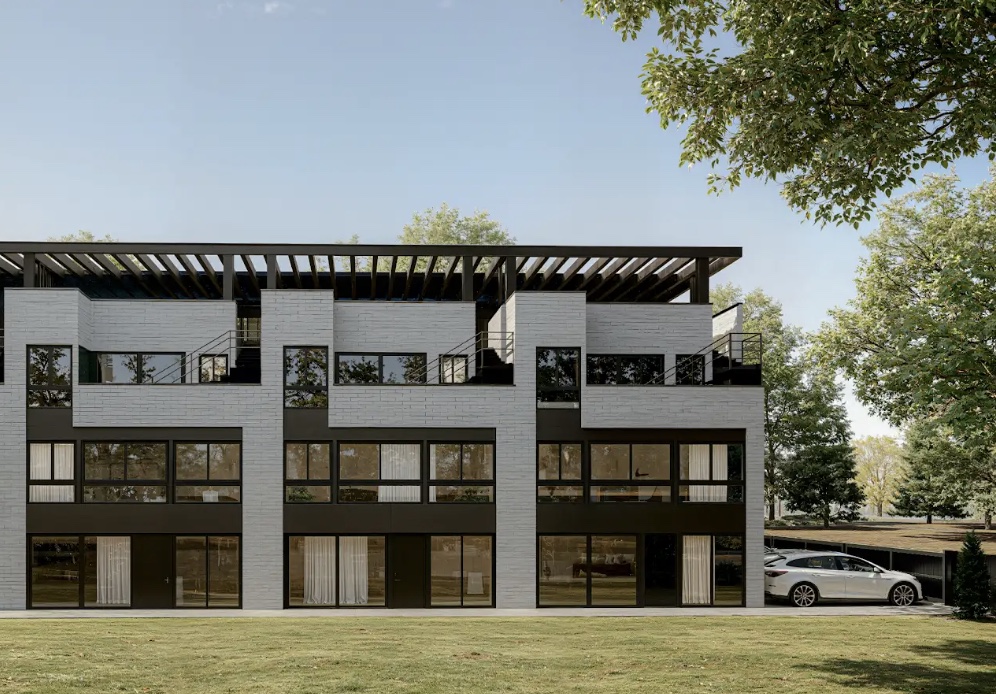
Or see how this plays out in practice: SB 684/1123 Fee Simple Subdivisions.
Work With Us
Investing, or Have a Property?
Contacting us is not an offer, commitment or investment. Any offering is made only through definitive offering documents to eligible investors with whom we have a pre-existing relationship.