
Insights
Remodel vs. New Construction in Los Angeles: Why Keeping the Walls Matters
Oliver Thornton · October 24, 2026
General information only. This article is educational and is not legal, tax, financial, lending or investment advice. Do your own due diligence and confirm everything with your own qualified professionals before relying on it. Read the full disclaimer.
Two projects can produce nearly the same finished house and look completely different to a lender, a building department and a budget. One is a remodel that keeps part of the existing structure; the other is new construction from the ground up. In Los Angeles, that distinction often decides how much capital a project needs and how fast it moves.
How the Two Compare
| Remodel / expansion | New construction | |
|---|---|---|
| Approvals | Often building permits only | May need entitlement plus permits |
| Financing | Renovation-style loans, usually simpler | Ground-up construction loans, usually more equity and controls |
| Capital needed | Generally lower | Generally higher |
| Schedule | Shorter, defined scope | Longer |
| Main risk | Hidden existing conditions | Cost and schedule over a longer build |
Why Keeping Part of the Structure Matters
When a project retains a meaningful portion of the existing walls or foundation, it can often be permitted and financed as a remodel rather than as new construction. That can reduce the capital a project needs and simplify the approval path. Whether a specific project qualifies depends on the city’s rules and the lender’s policies, so the decision has to be made during design, not after demolition starts.
The Trade-Off: Existing Conditions
Remodels carry a risk ground-up projects don’t: you inherit the house. Foundations, framing, plumbing and electrical only reveal their true condition once the walls are open. Disciplined remodel underwriting carries real contingency in both budget and schedule for exactly that reason.
Where Each Makes Sense
A remodel and expansion fits an under-improved house in a strong neighborhood, especially one with unused floor area or a footprint that can grow. New construction fits when the existing structure is beyond saving, or when the site supports a substantially different product, such as several fee-simple homes under SB 684. On hillside lots, both get harder: steep sites can require retaining walls and caissons that change the economics entirely.
How We Approach It
For luxury single-family projects, we prefer remodels and expansions where part of the existing structure can stay, in Class A, A− and B+ neighborhoods, with a scope we can finish and sell in a defined time frame. We consider ground-up projects selectively and underwrite them more conservatively. See our luxury residential strategy.
Frequently Asked Questions
Is a remodel cheaper than new construction?
Often, but not always. A remodel that keeps part of the structure can reduce demolition, foundation and permitting scope, but hidden conditions can add cost once walls are opened.
How does financing differ for a remodel vs. new construction?
Lenders generally treat a remodel of an existing home as a lower-risk renovation loan, while ground-up construction loans tend to require more equity, more documentation and tighter draw controls.
Does a remodel need entitlement in Los Angeles?
Many remodels and additions need only building permits, not separate entitlement approvals, though hillside, historic or coastal sites can add reviews.
What can go wrong on a remodel?
Scope surprises. Existing conditions only become fully visible once walls are open, so remodels need contingency in both budget and schedule.
Important Disclaimer
This article is published by Assemble Capital for general informational and educational purposes only. It is not legal, tax, accounting, lending, appraisal, real estate brokerage or investment advice, and it is not an offer to sell or a solicitation of an offer to buy any security. Laws, regulations, government programs, lending practices, market conditions and local procedures change often and vary by jurisdiction and by property. The information here may be incomplete, out of date or not applicable to your situation, and we have no obligation to update it.
No one, including investors, lenders, property owners, buyers, sellers, agents, brokers, wholesalers or developers, should rely on this article in making any decision. Before acting on any topic discussed here, independently verify the information and conduct your own due diligence with qualified legal, tax, financial, lending, appraisal and real estate professionals and the applicable government agencies.
References to projects, timelines, approvals, appraisals, financing, prices or market conditions are illustrative, may change, and are not predictions, promises or guarantees of any result. Past performance is not indicative of future results.
Reading this article or contacting us does not create an attorney-client, advisory, fiduciary, agency, brokerage or other relationship with Assemble Capital, its affiliates or its principals. Assemble Capital makes no representation or warranty, express or implied, as to the accuracy, completeness or timeliness of this content and, to the fullest extent permitted by law, disclaims all liability for any loss or damage arising from any reliance on it. Use of this site is subject to our Terms of Service and Risks & Disclosures.
Related Reading
Keep Going.

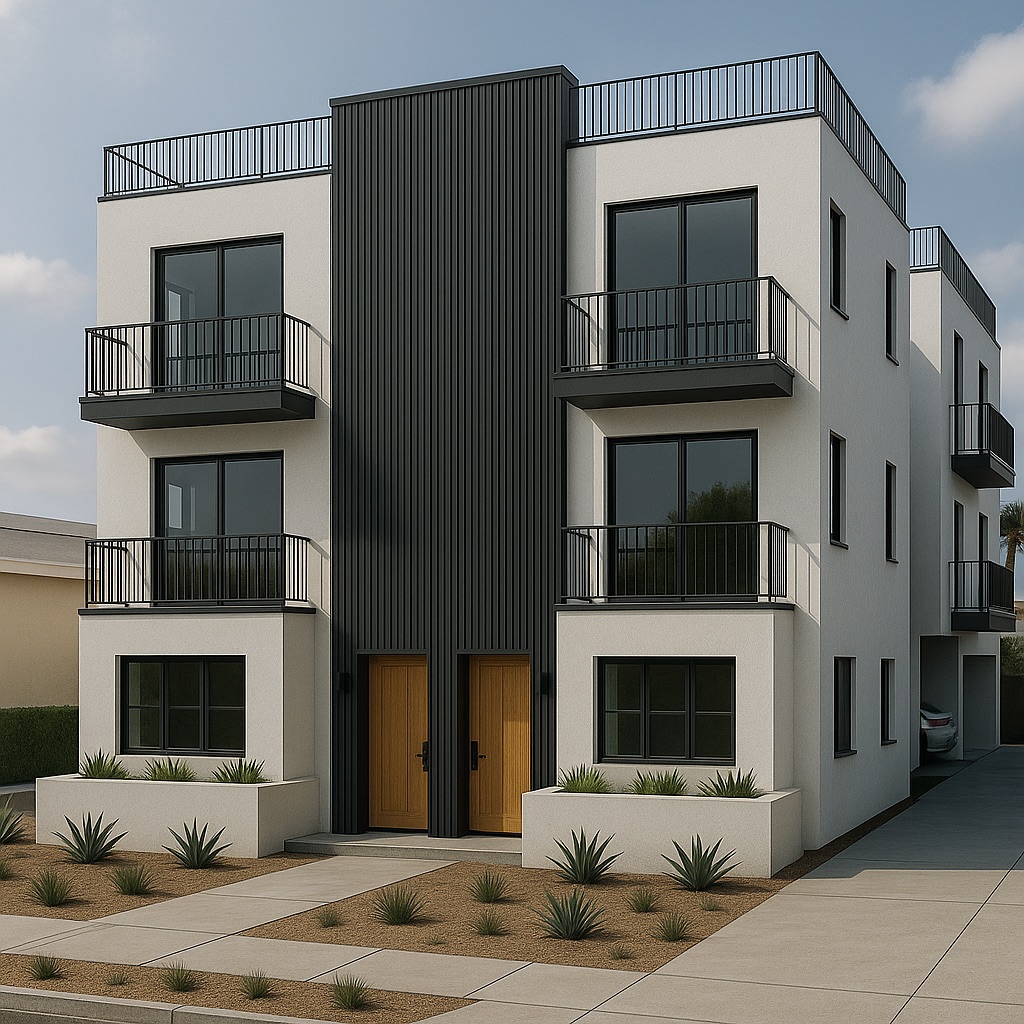
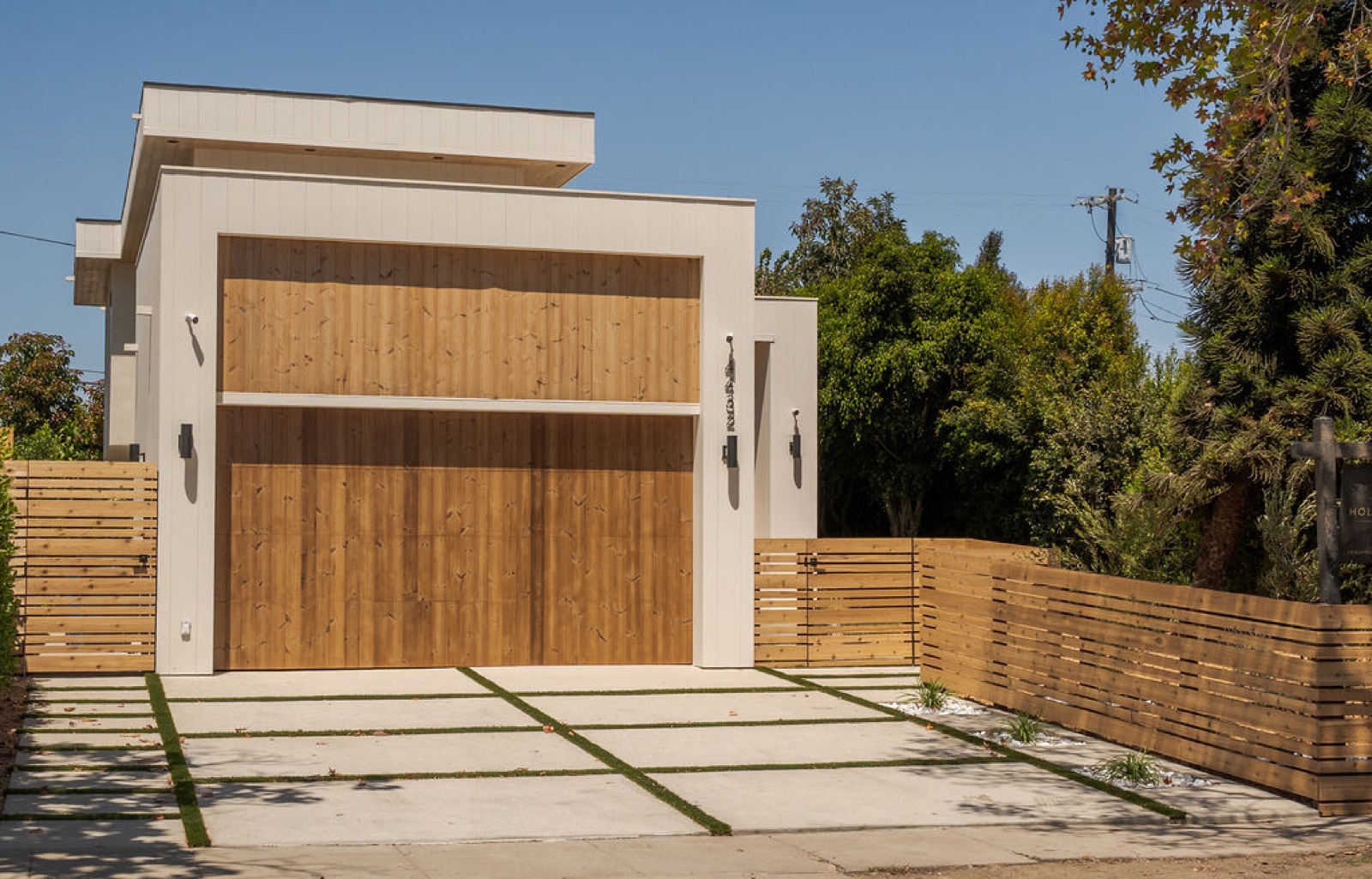
Or see how this plays out in practice: SB 684/1123 Fee Simple Subdivisions.
Work With Us
Investing, or Have a Property?
Contacting us is not an offer, commitment or investment. Any offering is made only through definitive offering documents to eligible investors with whom we have a pre-existing relationship.