
Learning Center
SB 1116: What Changes for SB 684 and SB 1123 in 2027
Oliver Thornton · November 5, 2026
General information only. This article is educational and is not legal, tax, financial, lending or investment advice. Do your own due diligence and confirm everything with your own qualified professionals before relying on it. Read the full disclaimer.
SB 1116 is the third major amendment to California’s Starter Home Revitalization Act, the law created by SB 684 and expanded by SB 1123. It does not change the core idea: a qualifying lot can still be split into as many as ten fee-simple homes and approved ministerially, with no hearing and no CEQA review. It changes almost everything around that core: which sites qualify, how small the lots can be, how far cities can push setbacks and parking, and whether neighbors can use old deed restrictions to stop a project.
Governor Newsom signed SB 1116 on September 29, 2026 (Chapter 808, Statutes of 2026). It applies to applications received on or after January 1, 2027.
SB 1116 at a Glance
| Topic | Before SB 1116 | From January 1, 2027 |
|---|---|---|
| Density test | At least 66% of maximum allowable density | Base zoning may allow no more than 15 units, or 26,250 sq ft of residential floor area where zoning sets no unit maximum |
| Multifamily site size | Up to 5 acres | No acreage cap |
| Urban-context test | Substantially surrounded by qualified urban uses | Infill criteria under Pub. Res. Code §21080.66(a)(3), from AB 130 |
| “Vacant” single-family lot | Empty, or abandoned structures only | Includes structures that are uninhabitable under Civil Code §1941.1 |
| Minimum lot size | 600 sq ft (multifamily); 1,200 sq ft (single-family) | As small as 480 / 960 sq ft if the averages hold at 600 / 1,200 |
| Height | Varied by city | Limits apply to height in feet only, not number of stories |
| Floor area ratio floor | 1.0 (3–7 homes) or 1.25 (8–10 homes) | 1.25 for all projects |
| Front setback | Set by local code | No more than 10 ft from the original lot line |
| Private CC&Rs | Could block a project | Unenforceable against a qualifying project, except in common interest developments |
More Sites Qualify
The biggest practical change is the new eligibility test. SB 684 required a project to reach at least two-thirds of the site’s maximum density, which was hard to apply and excluded some sites. SB 1116 replaces that with a simpler screen: the base zoning may allow no more than 15 units, or, where the zoning has no unit maximum, no more than 26,250 square feet of residential floor area. Density bonuses, ADUs and overlay zones do not count toward that test.
That screen points the Act squarely at small sites. A low-density multifamily lot of the kind we buy in Culver City clears it easily. A large, densely zoned parcel may not, and for those sites the new AB 1751 townhome law is the better fit. Sites identified in a compliant Housing Element must include a proportional share of low- or very low-income homes under a 45-year deed restriction.
SB 1116 also removes the 5-acre cap on multifamily-zoned sites, keeps the 1.5-acre cap on vacant single-family sites, and replaces the “substantially surrounded by urban uses” test with the infill definition AB 130 added in 2025. For single-family lots, “vacant” now includes a lot with a structure that is uninhabitable under the Civil Code’s habitability standards. The anti-displacement rules stay: sites with tenants in the past five years, rent-controlled homes or Ellis Act withdrawals within 15 years remain ineligible.
Smaller Lots and Better Site Plans
- Lot-size averaging. Individual lots can be as small as 480 square feet on multifamily sites or 960 square feet on single-family sites, as long as the subdivision averages at least 600 or 1,200 square feet. No new lot can be larger than half the original parcel, excluding a remainder parcel.
- Height in feet, not stories. A city may keep the underlying zone’s height limit but cannot cap the number of floors. Three-story homes can fit inside a typical 30- to 35-foot envelope.
- A uniform floor-area floor. A city cannot impose a floor area ratio below 1.25 on any qualifying project.
- Setbacks. Front setbacks are capped at 10 feet from the original lot line, side and rear setbacks at four feet, and there are no internal setbacks or building separations beyond what the Building Code requires.
- Parking. No more than one space per home, no covered or enclosed parking requirement, and no parking at all near qualifying transit.
- Floor area that counts. The 1,750-square-foot average still applies, but internal stairs and enclosed bicycle parking no longer count toward it, which helps three-story plans.
Deed Restrictions Can No Longer Block a Project
Many older Los Angeles tracts carry recorded covenants limiting a lot to one house. SB 1116 makes covenants and restrictions that would prohibit or physically preclude a qualifying project unenforceable. Uniform objective design and use rules can still apply. The override does not reach property inside a common interest development governed by the Davis-Stirling Act.
A Faster, More Accountable Process
- Concurrent processing. The subdivision map can be processed at the same time as building permits. A city may condition permit issuance or occupancy on recording the map.
- 60-day clocks on every map. Parcel, tentative and final maps must be decided within 60 days of a complete application, or they are deemed approved. A denial must come with a written list of deficiencies and how to fix them.
- State review of local ordinances. Cities must send their implementing ordinances to the Department of Housing and Community Development within 60 days of adoption. HCD can find an ordinance noncompliant and refer the city to the Attorney General.
- Read in favor of housing. The zoning provisions are to be interpreted liberally in favor of producing the most homes, and the law applies to charter cities.
- Public reporting. From the April 2028 annual progress report, cities must report applications, approvals, denials, permits and completed homes under the Act.
One geographic carve-out: applications on or after October 1, 2026 in Altadena’s 91001 and 91003 ZIP codes are exempt from the streamlining, with limited grandfathering and an exception for qualifying 100% affordable projects.
What Does Not Change
- The 10-parcel, 10-home cap, excluding a remainder parcel.
- The 1,750 net habitable square foot average home size.
- Ministerial approval with no CEQA review, and denial only on a specific, unmitigable health-and-safety finding.
- The sale restriction: new lots generally cannot be sold, leased or financed separately until each has a code-compliant home on it, with exceptions for common areas, existing homes and the last undeveloped lot.
- The environmental screens for fire hazard, flood, fault, habitat and contamination.
Why SB 1116 Matters for Development
SB 684 proved the model. In practice, though, projects ran into local standards that made the statutory density hard to reach: deep front setbacks, story limits, covered-parking rules, low floor-area caps and, on some streets, private covenants. SB 1116 removes most of those obstacles at once. The result is a site plan that is easier to design, a yield that is easier to predict, and fewer ways for an eligible project to be slowed down after the lot is bought. For investors and lenders, predictability is the main benefit: fewer unknowns between acquisition and approved map.
How It Fits Our Model
Our SB 684 strategy does not change. We will keep acquiring multifamily-zoned infill lots and building fee-simple homes on them. SB 1116 widens the set of lots that work and makes the ones we already target easier to plan. Together with AB 1751, which we will use for qualifying larger sites as part of our syndication model, it gives us a ministerial path to fee-simple housing on most of the infill land we evaluate. Applications filed before January 1, 2027 remain under the existing rules, so the timing of each filing is a site-by-site decision.
For background on the law SB 1116 amends, see our guide to SB 684 and SB 1123.
Frequently Asked Questions
What does SB 1116 do?
SB 1116 amends the Starter Home Revitalization Act created by SB 684 and SB 1123. It broadens which sites qualify, allows lot-size averaging down to 480 square feet, caps local setback, floor-area and parking standards, and makes most private deed restrictions that would block a qualifying project unenforceable.
When does SB 1116 take effect?
It applies to applications received on or after January 1, 2027. It was signed on September 29, 2026 as Chapter 808, Statutes of 2026.
Does SB 1116 change the 10-home limit?
No. Projects remain capped at 10 parcels and 10 homes, with a remainder parcel not counted, and the average home size remains capped at 1,750 net habitable square feet.
What is the new site eligibility test under SB 1116?
SB 1116 replaces the 66 percent minimum-density rule with a base-zoning cap: the site's zoning may allow no more than 15 units, or, where zoning sets no unit maximum, no more than 26,250 square feet of residential floor area. Density bonuses, ADUs and overlays are excluded from that test.
Can CC&Rs block an SB 684 project after SB 1116?
Generally no. Covenants and restrictions that prohibit or physically preclude a qualifying project become unenforceable, except within common interest developments governed by the Davis-Stirling Act. Uniform objective design and use rules can still apply.
Does SB 1116 remove the 5-acre limit?
Yes, for multifamily-zoned sites. The 1.5-acre limit for vacant single-family-zoned sites remains.
Sources and Review
Provisions summarized from the bill text and history of SB 1116 (Chapter 808, Statutes of 2026), the Assembly committee analysis, and practitioner summaries published after signing by Allen Matkins and Brownstein. The bill was amended in the Assembly in August 2026, so earlier summaries may describe superseded versions. Confirm the current rules with the local agency before relying on them.
Important Disclaimer
This article is published by Assemble Capital for general informational and educational purposes only. It is not legal, tax, accounting, lending, appraisal, real estate brokerage or investment advice, and it is not an offer to sell or a solicitation of an offer to buy any security. Laws, regulations, government programs, lending practices, market conditions and local procedures change often and vary by jurisdiction and by property. The information here may be incomplete, out of date or not applicable to your situation, and we have no obligation to update it.
No one, including investors, lenders, property owners, buyers, sellers, agents, brokers, wholesalers or developers, should rely on this article in making any decision. Before acting on any topic discussed here, independently verify the information and conduct your own due diligence with qualified legal, tax, financial, lending, appraisal and real estate professionals and the applicable government agencies.
References to projects, timelines, approvals, appraisals, financing, prices or market conditions are illustrative, may change, and are not predictions, promises or guarantees of any result. Past performance is not indicative of future results.
Reading this article or contacting us does not create an attorney-client, advisory, fiduciary, agency, brokerage or other relationship with Assemble Capital, its affiliates or its principals. Assemble Capital makes no representation or warranty, express or implied, as to the accuracy, completeness or timeliness of this content and, to the fullest extent permitted by law, disclaims all liability for any loss or damage arising from any reliance on it. Use of this site is subject to our Terms of Service and Risks & Disclosures.
Related Reading
Keep Going.
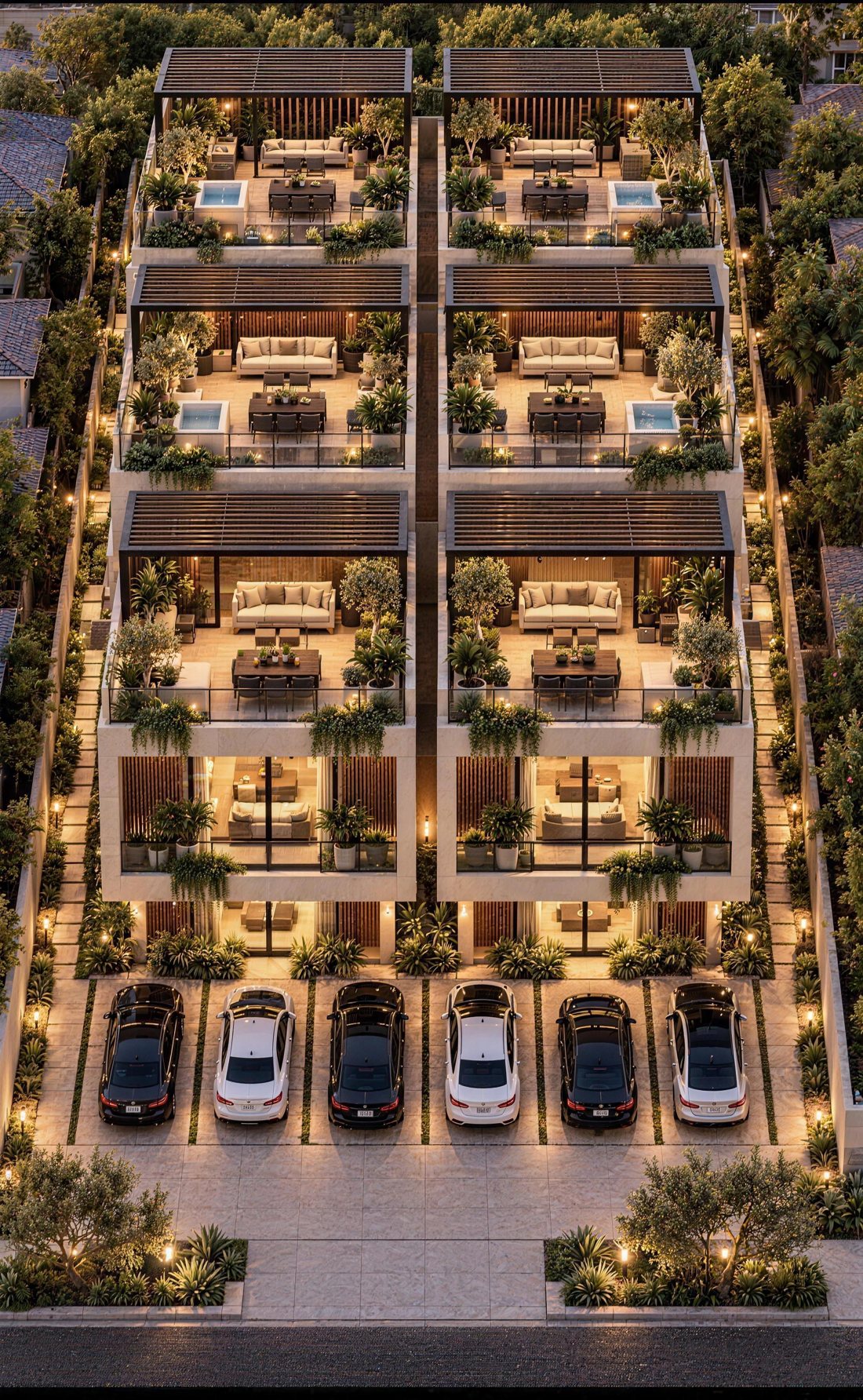
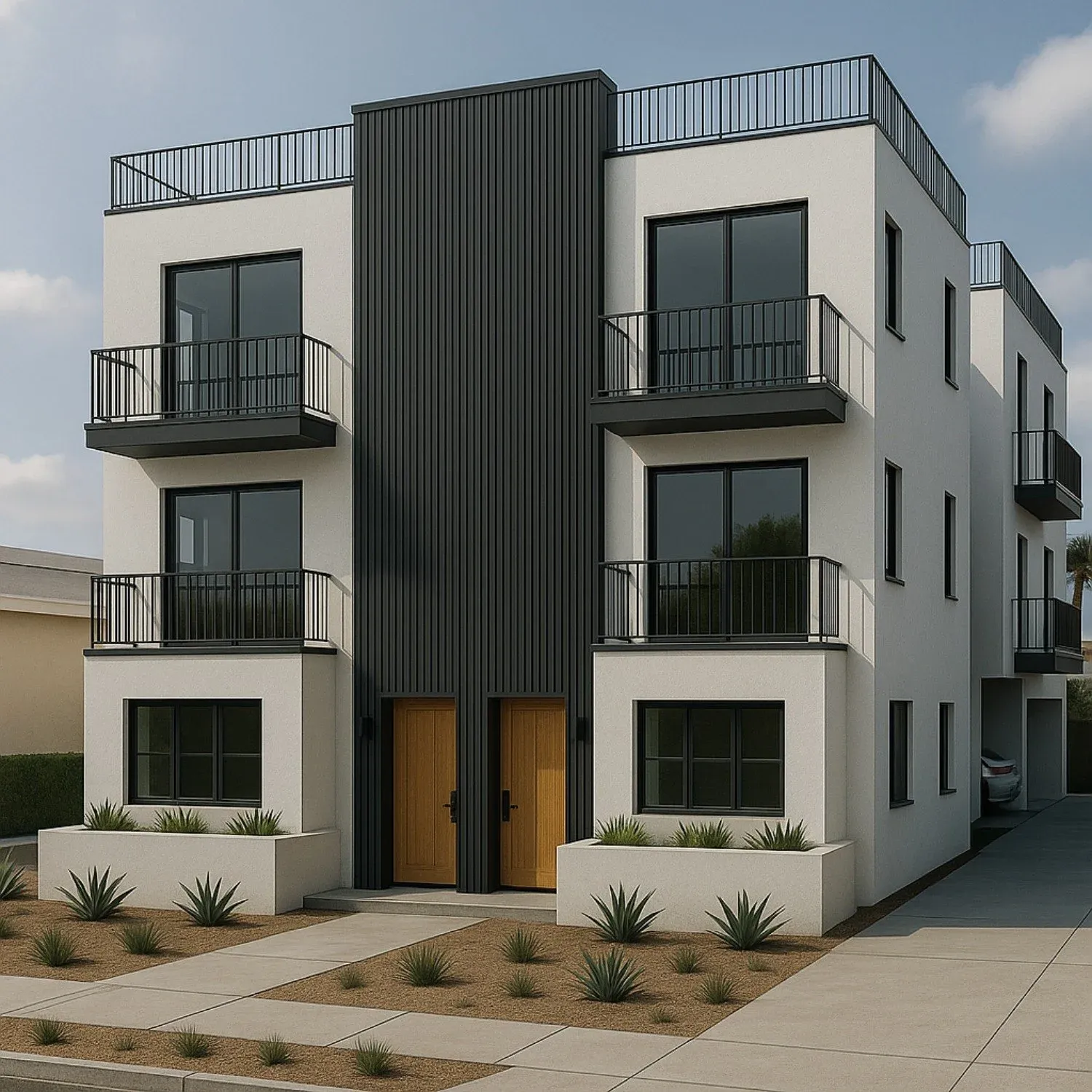
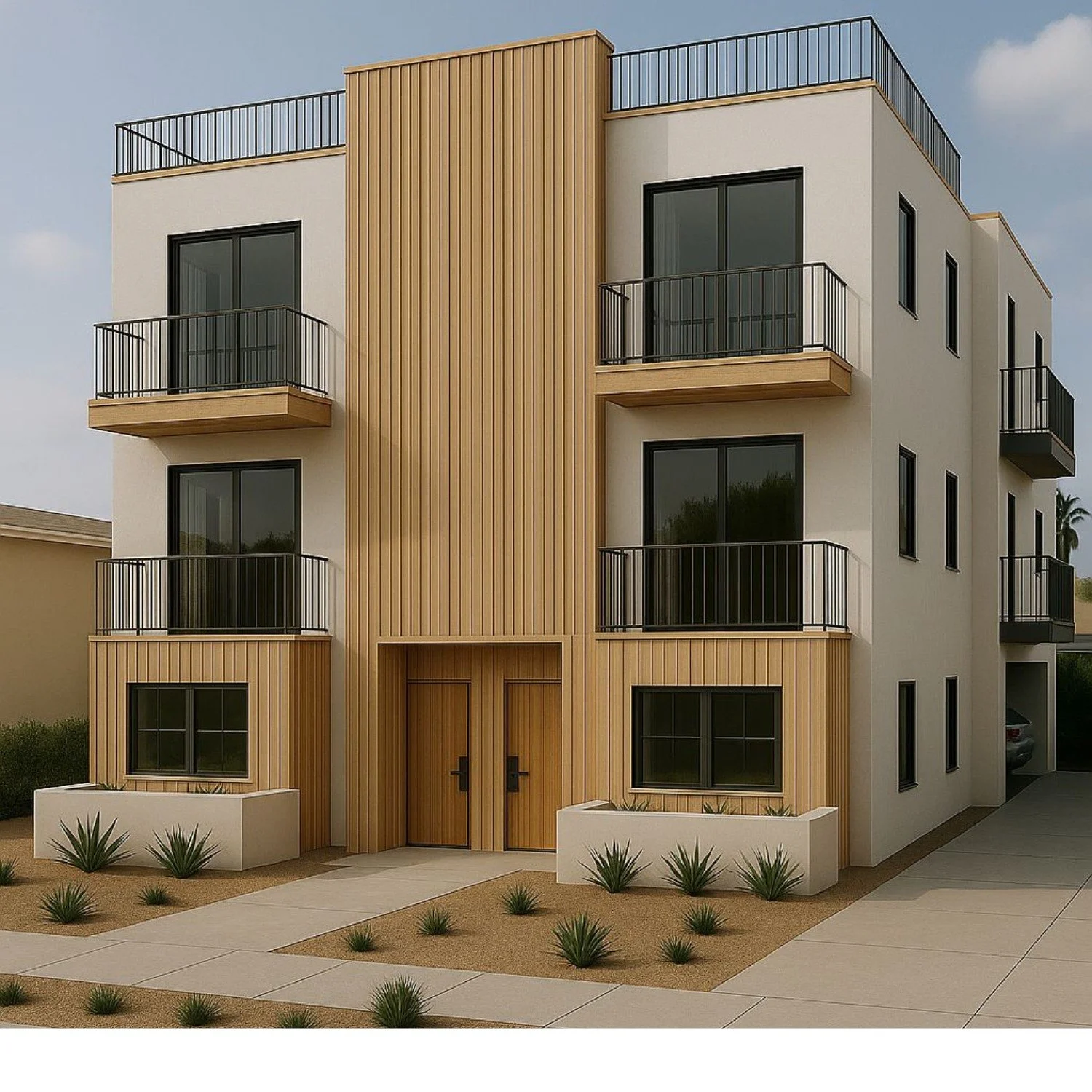
Or see how this plays out in practice: SB 684/1123 Fee Simple Subdivisions.
Work With Us
Investing, or Have a Property?
Contacting us is not an offer, commitment or investment. Any offering is made only through definitive offering documents to eligible investors with whom we have a pre-existing relationship.