
Insights
Hillside Development Costs in Los Angeles: What Makes a Hillside Lot Expensive
Oliver Thornton · October 24, 2026
General information only. This article is educational and is not legal, tax, financial, lending or investment advice. Do your own due diligence and confirm everything with your own qualified professionals before relying on it. Read the full disclaimer.
The Hollywood Hills produce some of the most valuable homes in Los Angeles, and some of the most expensive to build. Two lots with the same view can carry very different costs depending on what is underneath and around them. This guide explains where hillside costs come from and what to check before buying.
Where the Money Goes
| Cost driver | Why it adds up |
|---|---|
| Caissons and foundations | Steep or unstable slopes often need deep drilled piers to reach competent ground |
| Retaining walls | Holding back hillside soil is structural, engineered and expensive |
| Grading and hauling | Moving earth is limited by ordinance and may require approved haul routes |
| Geology and soils | Reports and city review are required before design is final |
| Access | Narrow or substandard streets slow deliveries and can trigger fire-access requirements |
| Fire zone requirements | Very high fire hazard areas carry construction and brush-clearance standards |
| Utilities | Extending sewer, water or power up a slope can be costly |
The Rules That Shape Hillside Projects
In the City of Los Angeles, the Baseline Hillside Ordinance limits floor area and grading on single-family lots in designated hillside areas, generally based on lot size and slope. Larger grading jobs can require additional approvals, and haul routes may need city sign-off. Most hillside lots also sit in very high fire hazard severity zones, which rules them out of SB 684 entirely.
What Makes a Hillside Lot Worth It
- An exceptional view that buyers will pay for
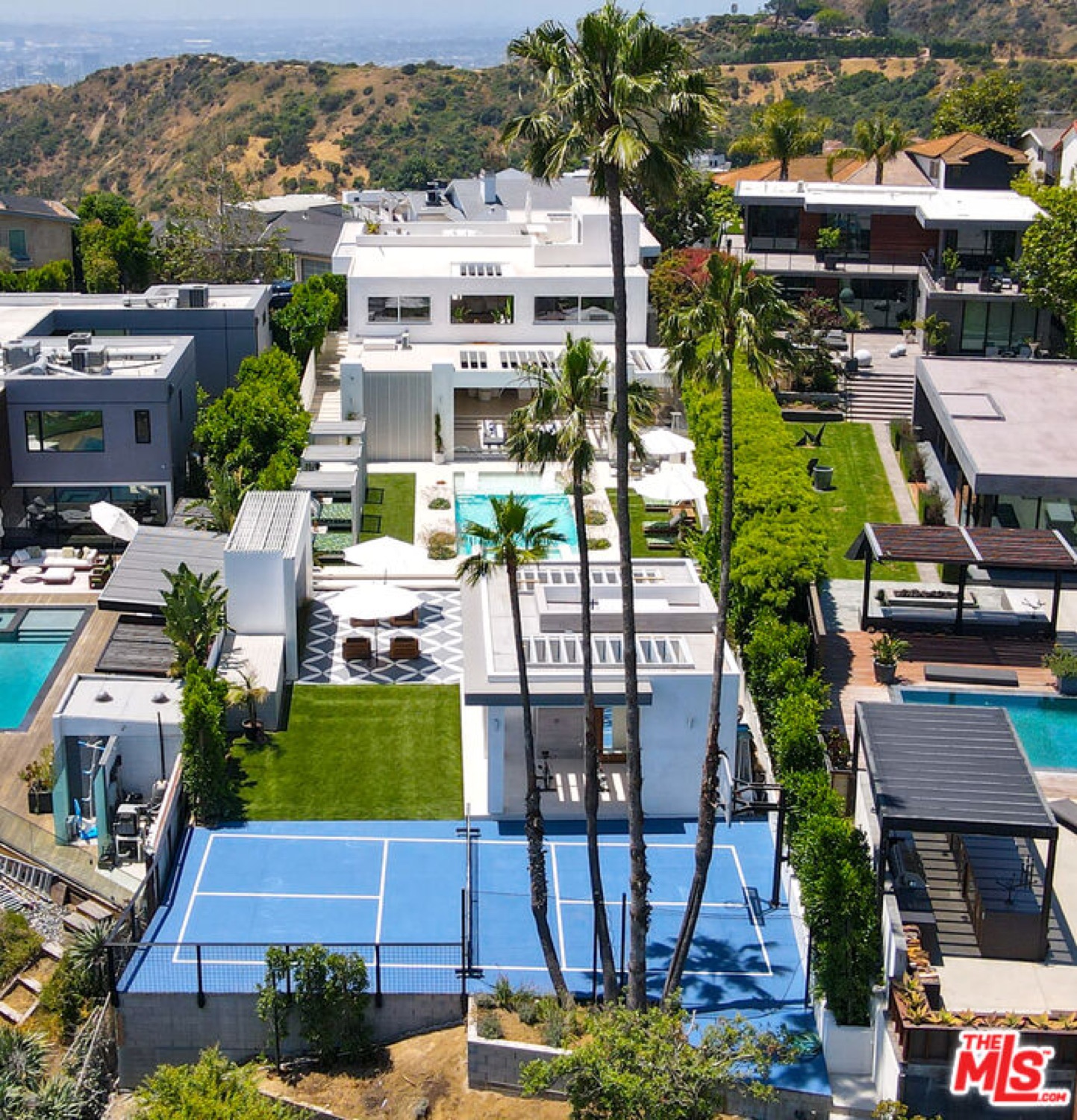
- A naturally flat building pad, so the house sits on the land rather than hanging off it
- Privacy, without neighboring homes looking down into the yard
- Good access from a street wide enough for construction and emergency vehicles
- A reasonable number of levels; homes stacked three or more stories down a slope cost more and sell to a narrower pool
The Lesson We Apply
Steep lots that need extensive retaining walls or caisson work can turn a strong location into a weak project, because the cost lands before anything a buyer will see. That is why, on hillside projects, we look for exceptional views and flat building area, and pass on steep sites, sites without privacy, and designs of three or more levels. See our luxury residential criteria.
Before You Buy a Hillside Lot
- Get a geology and soils read early, before you commit to a design
- Check the hillside ordinance limits on floor area and grading for the specific lot
- Confirm the fire hazard zone and its construction requirements
- Drive the street with a contractor’s eye for access
- Price the foundation before you price the finishes
Frequently Asked Questions
Why are hillside homes more expensive to build?
Foundations and earthwork. Steep sites often need deep caisson foundations, retaining walls and extensive grading, plus geology and soils reports, all before the house itself is built.
What is the Baseline Hillside Ordinance?
A City of Los Angeles ordinance that limits floor area and grading on single-family lots in designated hillside areas, generally based on lot size and slope.
Do hillside lots qualify for SB 684?
Rarely. Most Los Angeles hillside lots sit in high or very high fire hazard severity zones, which are excluded from SB 684 and SB 1123.
Which hillside lots work best?
Lots with exceptional views and a naturally flat building pad, good street access, and privacy from neighboring homes.
Important Disclaimer
This article is published by Assemble Capital for general informational and educational purposes only. It is not legal, tax, accounting, lending, appraisal, real estate brokerage or investment advice, and it is not an offer to sell or a solicitation of an offer to buy any security. Laws, regulations, government programs, lending practices, market conditions and local procedures change often and vary by jurisdiction and by property. The information here may be incomplete, out of date or not applicable to your situation, and we have no obligation to update it.
No one, including investors, lenders, property owners, buyers, sellers, agents, brokers, wholesalers or developers, should rely on this article in making any decision. Before acting on any topic discussed here, independently verify the information and conduct your own due diligence with qualified legal, tax, financial, lending, appraisal and real estate professionals and the applicable government agencies.
References to projects, timelines, approvals, appraisals, financing, prices or market conditions are illustrative, may change, and are not predictions, promises or guarantees of any result. Past performance is not indicative of future results.
Reading this article or contacting us does not create an attorney-client, advisory, fiduciary, agency, brokerage or other relationship with Assemble Capital, its affiliates or its principals. Assemble Capital makes no representation or warranty, express or implied, as to the accuracy, completeness or timeliness of this content and, to the fullest extent permitted by law, disclaims all liability for any loss or damage arising from any reliance on it. Use of this site is subject to our Terms of Service and Risks & Disclosures.
Related Reading
Keep Going.
Or see how this plays out in practice: SB 684/1123 Fee Simple Subdivisions.
Work With Us
Investing, or Have a Property?
Contacting us is not an offer, commitment or investment. Any offering is made only through definitive offering documents to eligible investors with whom we have a pre-existing relationship.