
General information only. This article is educational and is not legal, tax, financial, lending or investment advice. Do your own due diligence and confirm everything with your own qualified professionals before relying on it. Read the full disclaimer.
Los Angeles was building fee-simple small-lot homes long before SB 684. The city’s Small Lot Subdivision Ordinance, in use since 2005, let developers split multifamily and some commercial lots into small parcels with a house on each, and it produced many of the narrow townhome-style homes seen across Silver Lake, Echo Park and the Westside. SB 684 created a second, state-level path. Here is how they compare.
The Core Difference: Discretion
The city’s small lot process typically involves discretionary review: a decision-maker applies judgment, design guidelines apply, and neighbors can weigh in or appeal. SB 684 is ministerial: if a qualifying project meets objective standards, the city must approve it, with no hearing and no CEQA review, and a decision is due within 60 days of a complete application. For a small builder, that difference turns entitlement from an open question into a schedule.
Side by Side
| SB 684 / SB 1123 | LA Small Lot Subdivision | |
|---|---|---|
| Source | State law | City of Los Angeles ordinance |
| Approval | Ministerial; no hearing, no CEQA | Typically discretionary review |
| Size cap | 10 lots and 10 homes | No 10-home cap; set by zoning and density |
| Home size | Average no more than 1,750 net habitable sq ft | Set by zoning and design standards |
| Setbacks | Side and rear capped at 4 ft from the original lot line | Per city small lot standards |
| Site screens | Fire, flood, fault, habitat, tenant-history and other exclusions | Per city code and CEQA review |
| Product | Fee-simple homes on individual lots | Fee-simple homes on individual lots |
When the City Path Still Makes Sense
- Larger sites that can carry more than ten homes
- Commercial or mixed zones where the city ordinance applies but SB 684 may not
- Sites that fail an SB 684 screen, such as certain tenant-history or hazard exclusions, but can still be entitled through discretionary review
When SB 684 Wins
On a qualifying multifamily-zoned lot of roughly 5,000 to 10,000 square feet, where six to ten homes fit, SB 684’s ministerial approval, fixed review clock and state-set setback and floor-area floors usually make it the stronger path. It removes the hearing risk that can stall a small project for months and makes the timeline easier to finance.
What Stays the Same
Whichever path a project takes, the buyer experience is similar: a new home on its own lot, with its own parcel number, financeable with a conventional mortgage. That is the advantage of fee-simple small-lot housing over condominiums, and it is why both paths exist. For how either path moves from application to permits, see the Los Angeles entitlement process, step by step.
Frequently Asked Questions
Does Los Angeles still allow small lot subdivisions under its own ordinance?
Yes. The City of Los Angeles Small Lot Subdivision Ordinance, in use since 2005 and updated since, remains available on eligible sites. SB 684 adds a separate, state-level ministerial path.
Which is faster, SB 684 or the LA Small Lot Ordinance?
SB 684 is generally faster because qualifying projects are approved ministerially, with a 60-day decision on a complete application. City small lot projects typically involve discretionary review.
Can a small lot project exceed 10 homes?
Under SB 684, no: the cap is 10 lots and 10 homes. Larger projects generally have to use another path, such as the city's small lot rules or a conventional subdivision.
Do both create fee-simple homes?
Yes. Both paths are designed to create individual fee-simple lots that each carry a home, rather than condominium units.
Important Disclaimer
This article is published by Assemble Capital for general informational and educational purposes only. It is not legal, tax, accounting, lending, appraisal, real estate brokerage or investment advice, and it is not an offer to sell or a solicitation of an offer to buy any security. Laws, regulations, government programs, lending practices, market conditions and local procedures change often and vary by jurisdiction and by property. The information here may be incomplete, out of date or not applicable to your situation, and we have no obligation to update it.
No one, including investors, lenders, property owners, buyers, sellers, agents, brokers, wholesalers or developers, should rely on this article in making any decision. Before acting on any topic discussed here, independently verify the information and conduct your own due diligence with qualified legal, tax, financial, lending, appraisal and real estate professionals and the applicable government agencies.
References to projects, timelines, approvals, appraisals, financing, prices or market conditions are illustrative, may change, and are not predictions, promises or guarantees of any result. Past performance is not indicative of future results.
Reading this article or contacting us does not create an attorney-client, advisory, fiduciary, agency, brokerage or other relationship with Assemble Capital, its affiliates or its principals. Assemble Capital makes no representation or warranty, express or implied, as to the accuracy, completeness or timeliness of this content and, to the fullest extent permitted by law, disclaims all liability for any loss or damage arising from any reliance on it. Use of this site is subject to our Terms of Service and Risks & Disclosures.
Related Reading
Keep Going.
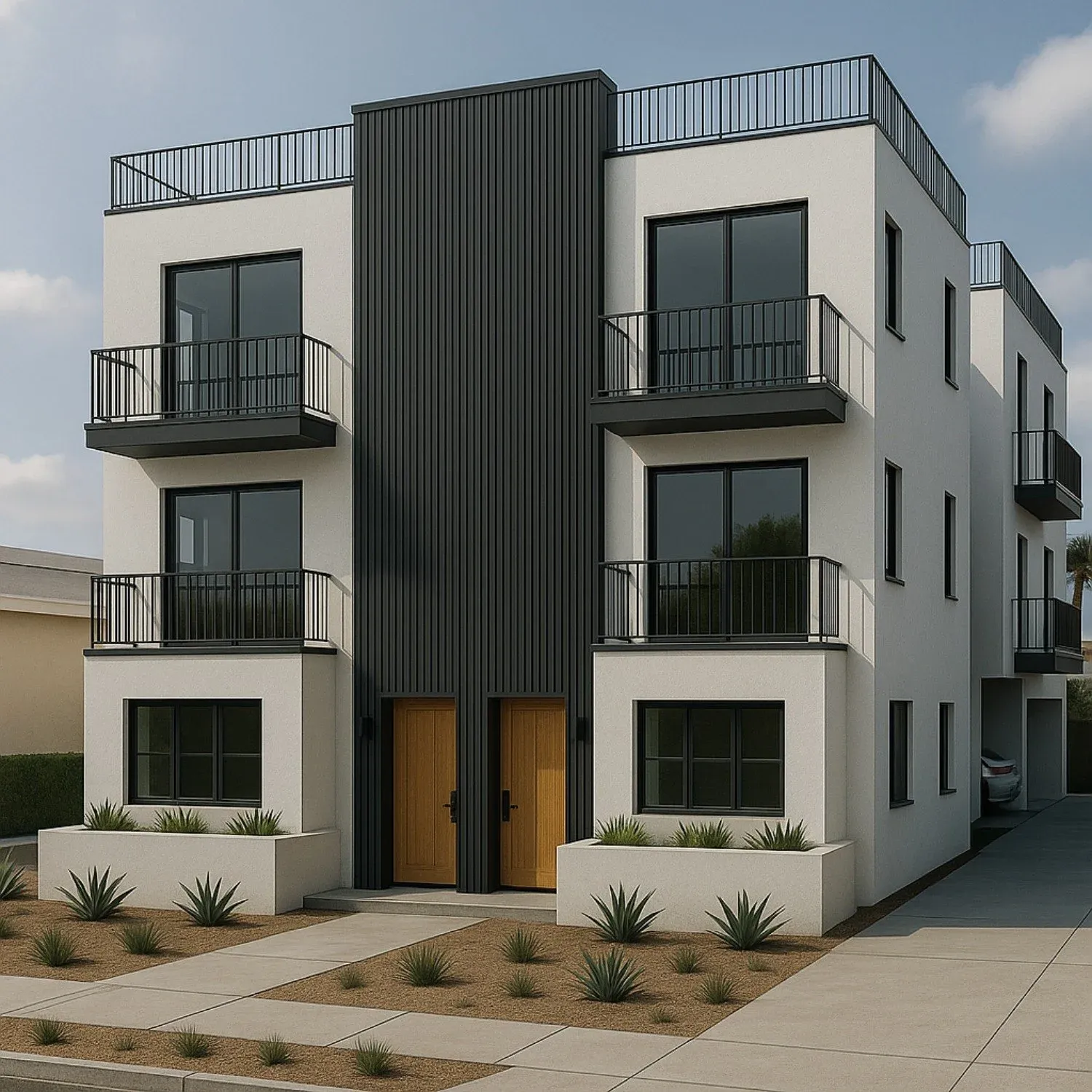
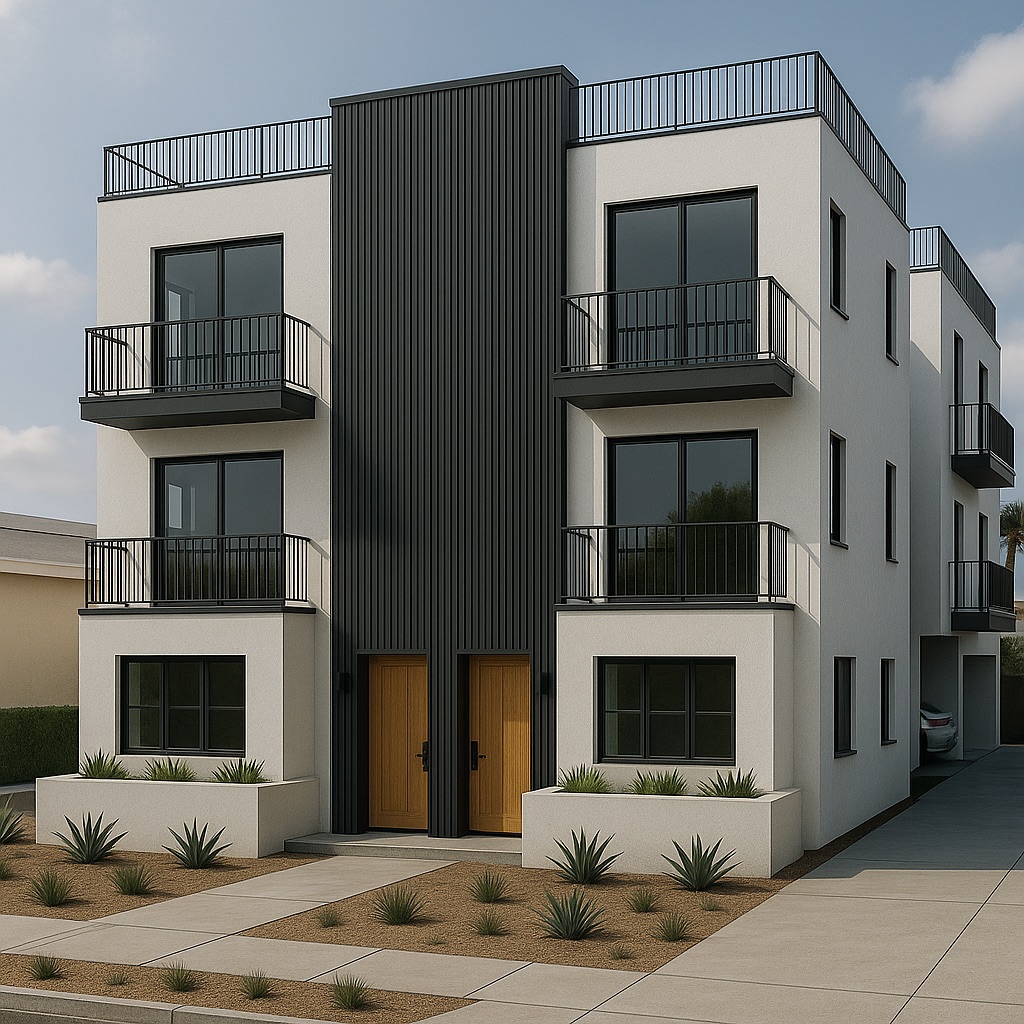
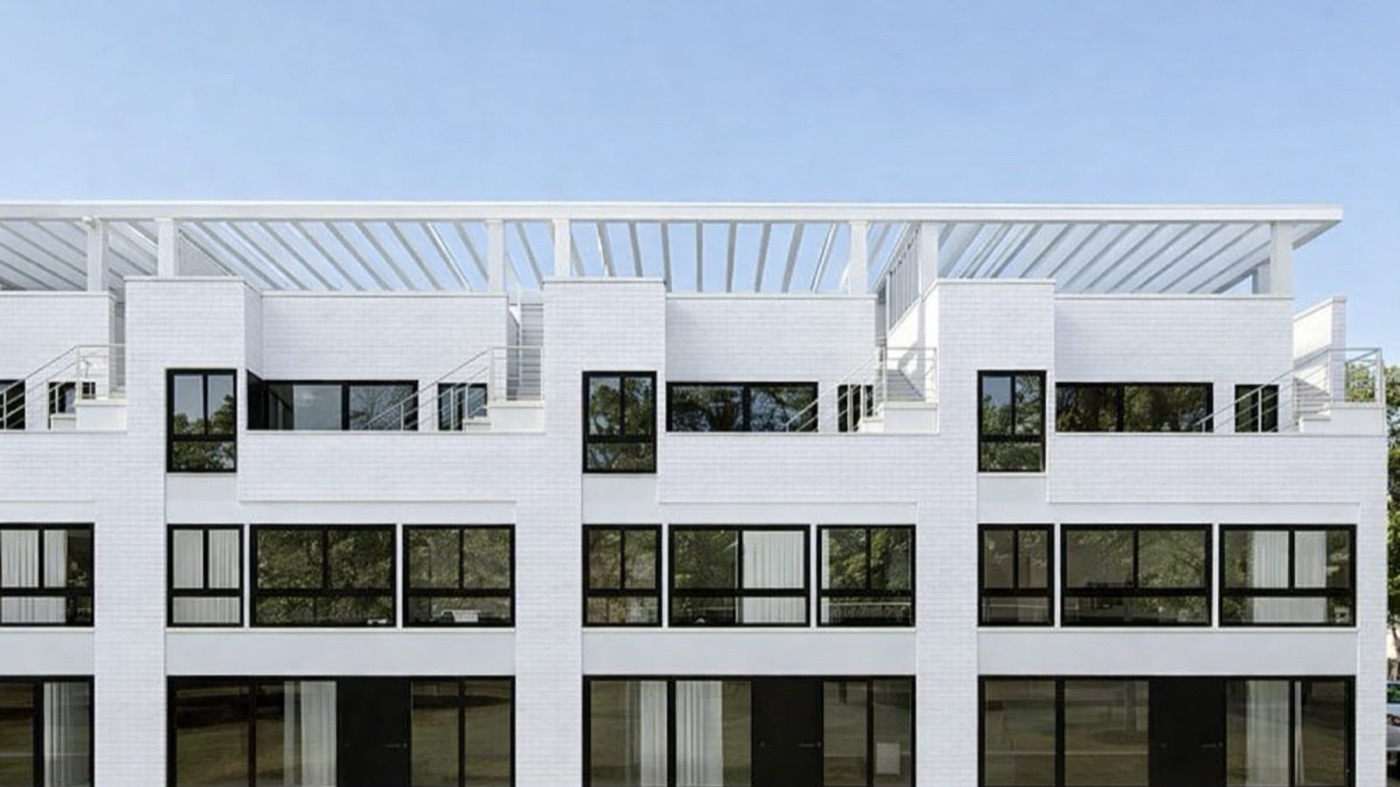
Or see how this plays out in practice: SB 684/1123 Fee Simple Subdivisions.
Work With Us
Investing, or Have a Property?
Contacting us is not an offer, commitment or investment. Any offering is made only through definitive offering documents to eligible investors with whom we have a pre-existing relationship.