
General information only. This article is educational and is not legal, tax, financial, lending or investment advice. Do your own due diligence and confirm everything with your own qualified professionals before relying on it. Read the full disclaimer.
If your lot might qualify under SB 684, you have a real choice: sell the land to a small-lot developer, or take on the project yourself. Both can make sense. This guide lays out what each path involves so you can decide with clear eyes.
The Two Paths
| Sell to a developer | Develop it yourself | |
|---|---|---|
| Timeline | Weeks to a few months to close | Roughly two years or more to finished homes, then sales |
| Capital | None | Design, permits, carry and the equity lenders require |
| Financing | None | Acquisition or construction loans, usually with personal guarantees |
| Risk | Low once in escrow | Entitlement, cost, schedule and sale-price risk |
| Work | Minimal | Managing architects, engineers, contractors and sales |
| Upside | A price that reflects the lot’s development value | Any profit the project produces, if it goes to plan |
What Developing Really Involves
- Entitlement. A site plan, subdivision application, map approval and plan check, typically about 12 months to ready-to-issue permits.
- Financing. A construction loan sized against the entitled and as-complete values, usually with personal guarantees. See how SB 684 financing works.
- Construction. About 12 months for six to ten homes, with contingency for the unexpected.
- The final map and sales. Recording the map, then selling each home individually. See what happens at a final map.
Questions to Ask Yourself
- Do I want a defined price now, or a larger but uncertain outcome in two to three years?
- Can I carry the project if costs rise or sales slow?
- Am I willing to personally guarantee construction debt?
- Do I have, or can I hire, a team that has done this before?
Why Many Owners Sell
For most owners, especially long-time residents, estates and trusts, selling to an experienced small-lot developer captures much of the land’s new value without the time, debt and risk of building. The key is making sure the price reflects what the lot can become, not just the house on it. Our guide to selling your lot to an SB 684 developer explains how that pricing works.
This article is general information, not legal, tax or financial advice. Talk with your own advisors before deciding.
Frequently Asked Questions
Should I develop my lot myself under SB 684?
Only if you are prepared for the time, capital and risk: roughly two years from entitlement through construction, construction financing that usually requires guarantees, and the work of selling homes one by one.
How long does an SB 684 project take?
On recent projects, about 12 months from the start of entitlement to ready-to-issue permits, trending toward 9 to 10 months, then about 12 months of construction, followed by sales.
What do I need to develop it myself?
An architect and civil engineer, a general contractor, construction financing, and the capital to carry the project until the homes sell.
Is selling to a developer simpler?
Usually. You get a defined price and closing date, and the developer takes on entitlement, construction and sales risk.
Important Disclaimer
This article is published by Assemble Capital for general informational and educational purposes only. It is not legal, tax, accounting, lending, appraisal, real estate brokerage or investment advice, and it is not an offer to sell or a solicitation of an offer to buy any security. Laws, regulations, government programs, lending practices, market conditions and local procedures change often and vary by jurisdiction and by property. The information here may be incomplete, out of date or not applicable to your situation, and we have no obligation to update it.
No one, including investors, lenders, property owners, buyers, sellers, agents, brokers, wholesalers or developers, should rely on this article in making any decision. Before acting on any topic discussed here, independently verify the information and conduct your own due diligence with qualified legal, tax, financial, lending, appraisal and real estate professionals and the applicable government agencies.
References to projects, timelines, approvals, appraisals, financing, prices or market conditions are illustrative, may change, and are not predictions, promises or guarantees of any result. Past performance is not indicative of future results.
Reading this article or contacting us does not create an attorney-client, advisory, fiduciary, agency, brokerage or other relationship with Assemble Capital, its affiliates or its principals. Assemble Capital makes no representation or warranty, express or implied, as to the accuracy, completeness or timeliness of this content and, to the fullest extent permitted by law, disclaims all liability for any loss or damage arising from any reliance on it. Use of this site is subject to our Terms of Service and Risks & Disclosures.
Related Reading
Keep Going.
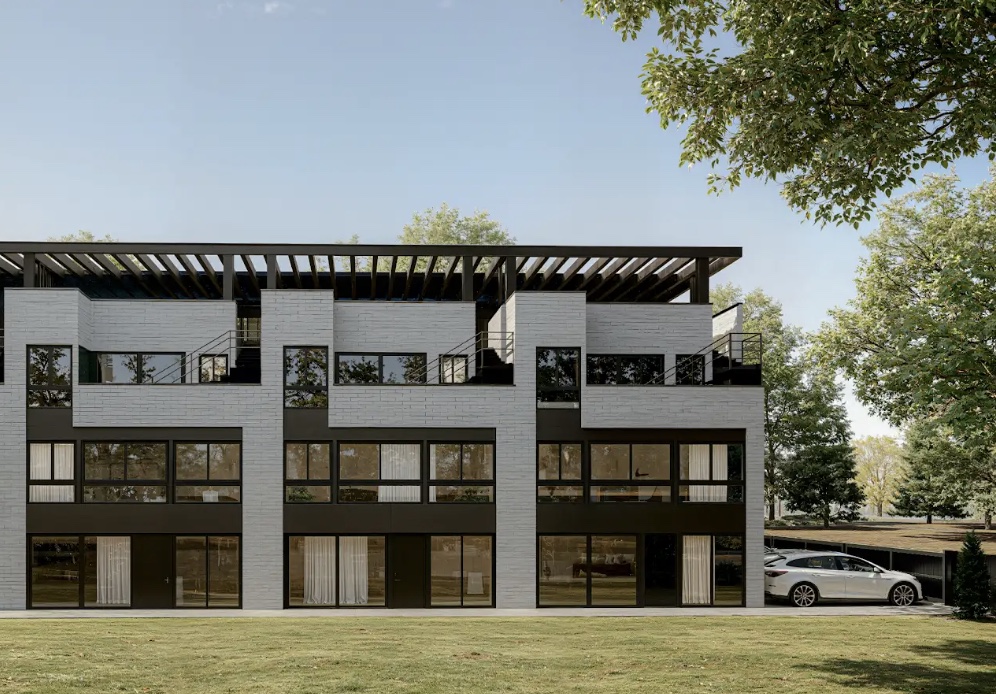
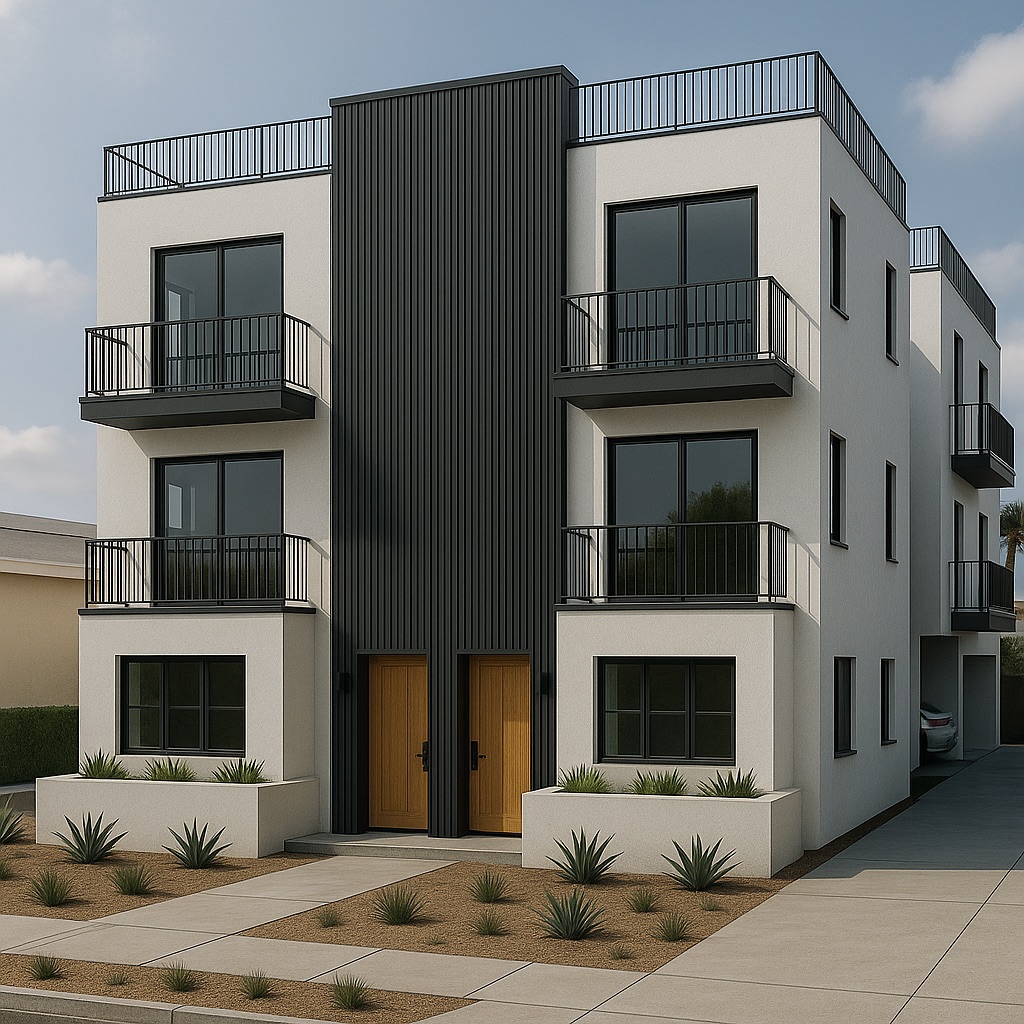
Or see how this plays out in practice: SB 684/1123 Fee Simple Subdivisions.
Work With Us
Investing, or Have a Property?
Contacting us is not an offer, commitment or investment. Any offering is made only through definitive offering documents to eligible investors with whom we have a pre-existing relationship.