
General information only. This article is educational and is not legal, tax, financial, lending or investment advice. Do your own due diligence and confirm everything with your own qualified professionals before relying on it. Read the full disclaimer.
The Starter Home Revitalization Act (SHRA) is the name of the California framework that most people know by its bill numbers: SB 684 and SB 1123. Its goal is in the name: make it easier to build small, for-sale starter homes on infill land, so more Californians can own instead of rent.
The Problem It Addresses
For decades, the missing piece of California housing has been the modest for-sale home. Single-family zoning limited most land to one house, and subdividing a lot into several homes usually meant discretionary hearings, environmental review and years of uncertainty. The few small-lot homes that got built carried the cost of that process. The Act targets that bottleneck directly.
How the Act Was Built
| Bill | What it did |
|---|---|
| SB 684 | Created a ministerial path to subdivide qualifying multifamily-zoned lots into up to 10 lots and 10 homes |
| SB 1123 (effective July 1, 2025) | Extended the path to vacant single-family lots, refined standards and added tenancy in common as an ownership option |
| AB 130 (effective July 1, 2025) | Further amended the Act |
What It Allows
- Up to 10 lots and 10 homes on a qualifying site
- Ministerial approval, with no public hearing and no CEQA review, and a decision within 60 days of a complete application
- State-set limits on setbacks, lot size and floor area that make compact site plans possible
- Homes averaging no more than 1,750 net habitable square feet, keeping the product at starter-home scale
What It Protects
The Act screens out sites with environmental hazards, such as high fire hazard severity zones and flood zones, and sites where building would displace renters or protected housing. Those screens are why most qualifying land sits in the flats of established neighborhoods. See tenant history rules.
What It Means in Practice
On the Westside, the Act has turned older homes on multifamily-zoned lots into sites for six to nine new fee-simple homes, each on its own lot and each financeable with a conventional mortgage. Early projects in Culver City and Santa Monica show how quickly the pathway is maturing. For the full rules, see our SB 684 and SB 1123 guide.
Frequently Asked Questions
What is the Starter Home Revitalization Act?
A California law, created by SB 684, that lets qualifying lots be subdivided into up to 10 small fee-simple lots with homes, approved ministerially without a public hearing or CEQA review.
Which bills make up the Starter Home Revitalization Act?
SB 684 created it, SB 1123 extended it to vacant single-family lots effective July 1, 2025, and AB 130 also amended it effective July 1, 2025.
Why was the Starter Home Revitalization Act passed?
To increase homeownership by making it easier to build small, lower-cost for-sale homes on infill land.
Is the Starter Home Revitalization Act the same as SB 9?
No. SB 9 is a separate law allowing up to four units through a lot split on single-family lots. The Starter Home Revitalization Act allows up to ten homes on qualifying sites.
Important Disclaimer
This article is published by Assemble Capital for general informational and educational purposes only. It is not legal, tax, accounting, lending, appraisal, real estate brokerage or investment advice, and it is not an offer to sell or a solicitation of an offer to buy any security. Laws, regulations, government programs, lending practices, market conditions and local procedures change often and vary by jurisdiction and by property. The information here may be incomplete, out of date or not applicable to your situation, and we have no obligation to update it.
No one, including investors, lenders, property owners, buyers, sellers, agents, brokers, wholesalers or developers, should rely on this article in making any decision. Before acting on any topic discussed here, independently verify the information and conduct your own due diligence with qualified legal, tax, financial, lending, appraisal and real estate professionals and the applicable government agencies.
References to projects, timelines, approvals, appraisals, financing, prices or market conditions are illustrative, may change, and are not predictions, promises or guarantees of any result. Past performance is not indicative of future results.
Reading this article or contacting us does not create an attorney-client, advisory, fiduciary, agency, brokerage or other relationship with Assemble Capital, its affiliates or its principals. Assemble Capital makes no representation or warranty, express or implied, as to the accuracy, completeness or timeliness of this content and, to the fullest extent permitted by law, disclaims all liability for any loss or damage arising from any reliance on it. Use of this site is subject to our Terms of Service and Risks & Disclosures.
Related Reading
Keep Going.
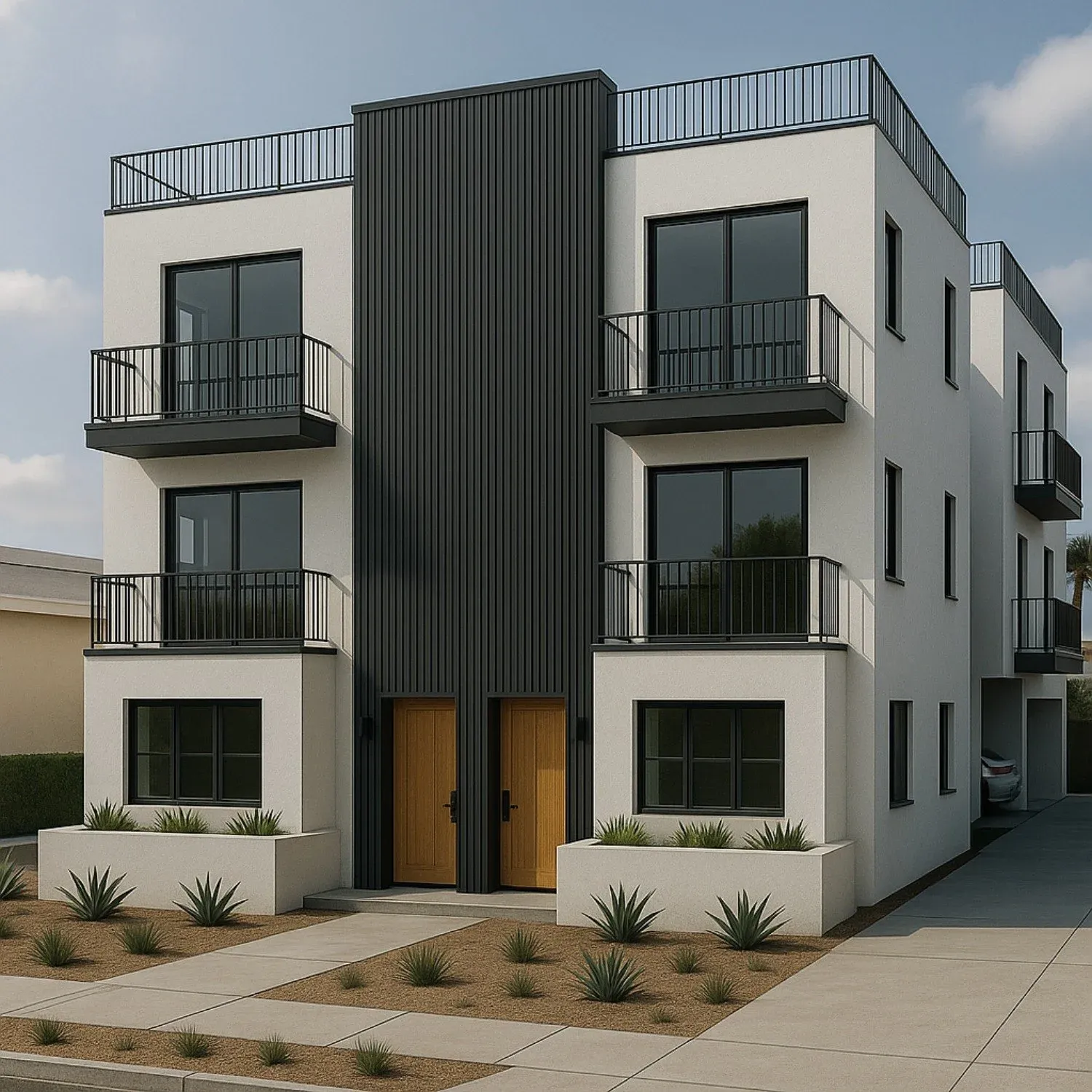
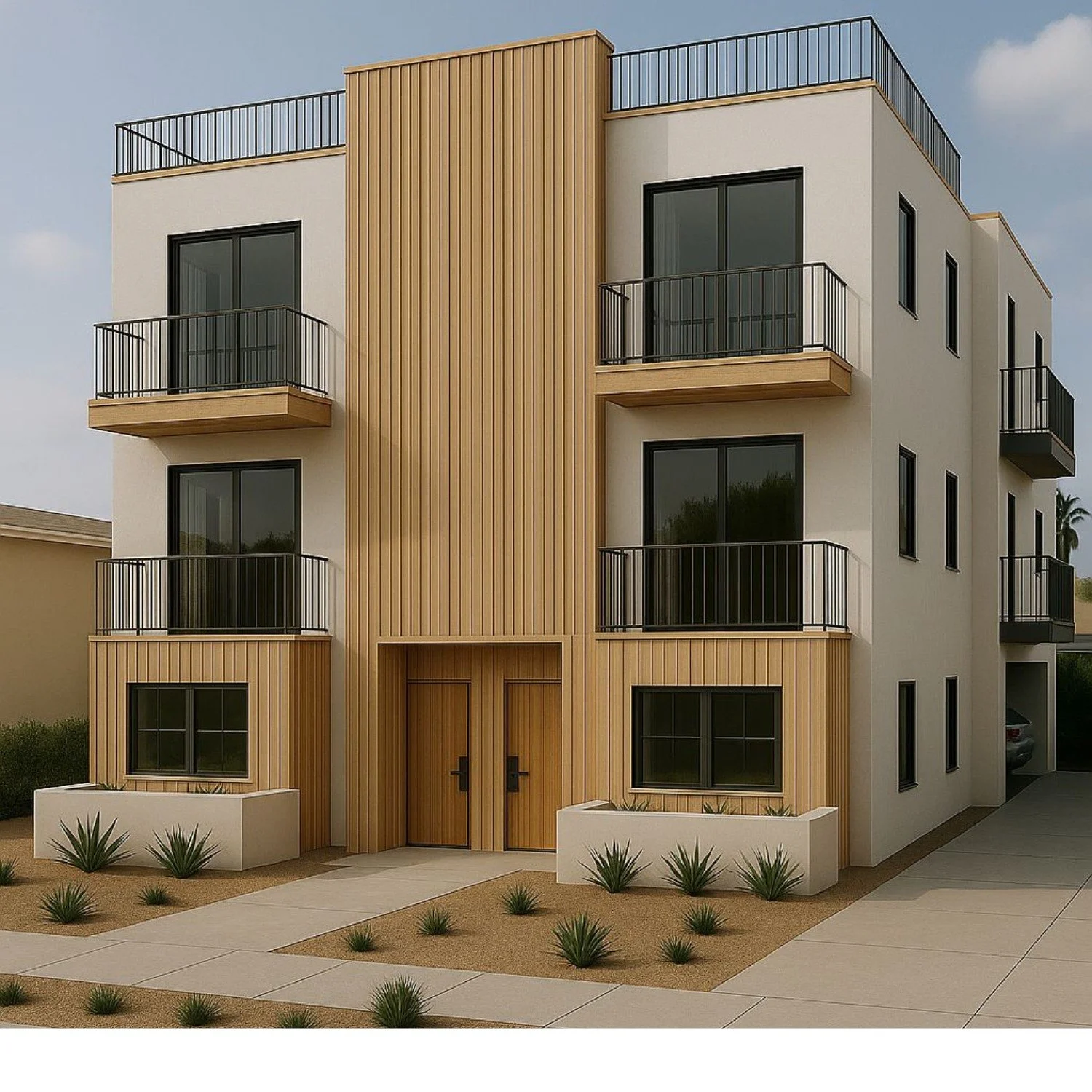
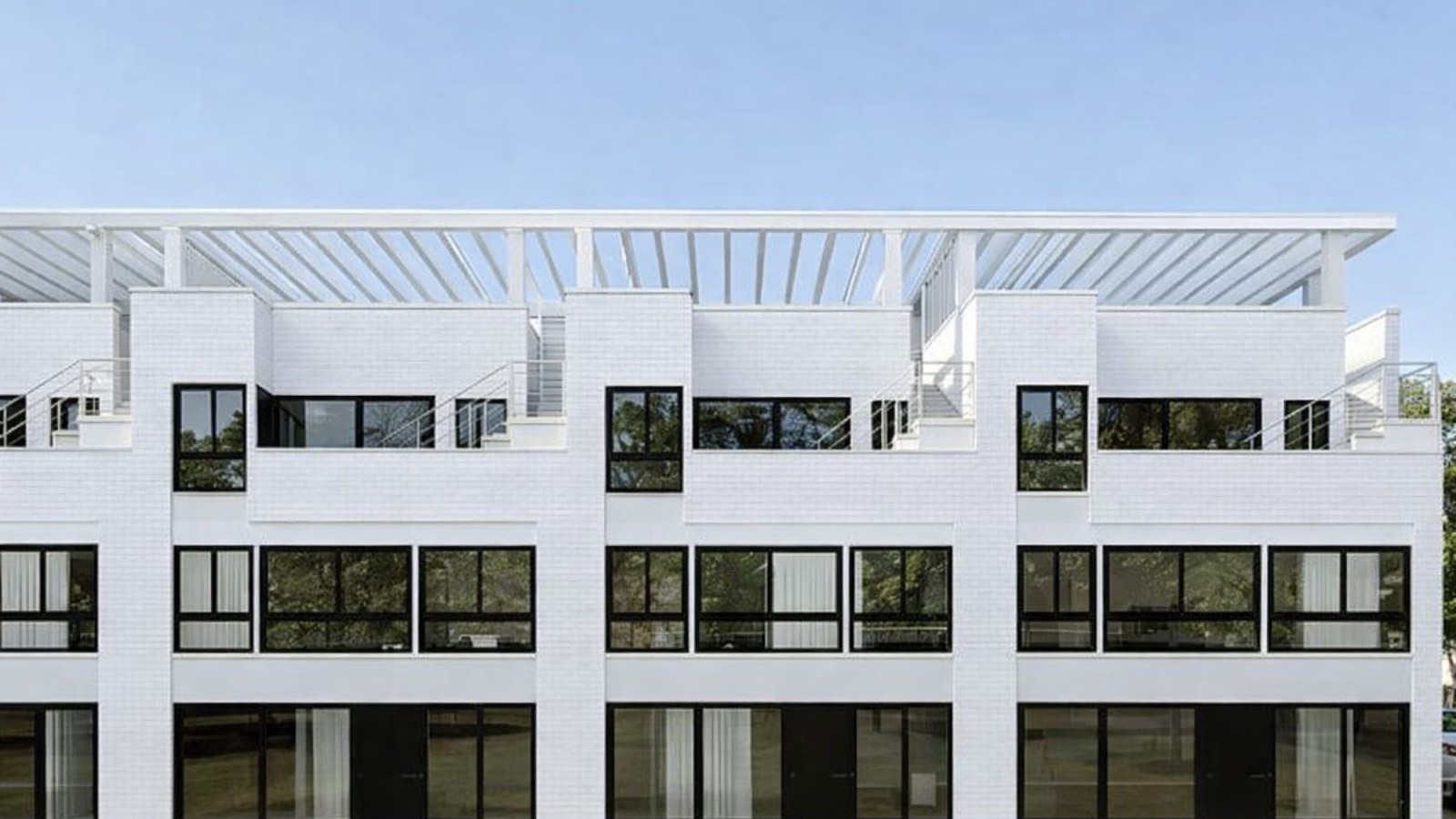
Or see how this plays out in practice: SB 684/1123 Fee Simple Subdivisions.
Work With Us
Investing, or Have a Property?
Contacting us is not an offer, commitment or investment. Any offering is made only through definitive offering documents to eligible investors with whom we have a pre-existing relationship.